
Introduction
With the rise of streaming platforms, YouTube TV has become a popular choice for cord‑cutters looking for live television on demand. However, regional restrictions and bandwidth throttling can limit your viewing experience. Many users ask if they can can you use vpn with youtube tv to bypass these limitations. The answer is yes, and with the right setup, you can enjoy a seamless stream from anywhere in the world.
In this guide, we’ll dive into the practical steps required to use a VPN with YouTube TV, explore common pitfalls, and provide actionable tips to keep your stream fast and reliable. We’ll also cover the concept of VPN for YouTube TV streaming and explain why choosing the right provider and server location matters. Whether you’re new to VPNs or an experienced user, this article will give you everything you need to get started.
Before we get into the technical details, let’s clarify that not all VPNs perform the same with YouTube TV. Some free or low‑quality services can trigger the platform’s anti‑VPN detection, leading to buffering or outright denial of service. Therefore, it’s essential to pick a VPN with a strong track record in streaming, low latency, and a dedicated “streaming” mode if available. We’ll cover how to identify such services and how to configure them for YouTube TV in the following sections.
Step‑by‑Step Instructions
1. Choose a Reliable VPN Service
To use a VPN effectively with YouTube TV, you need a provider that offers:
- High‑speed servers in the United States and other key locations.
- Strong encryption and a no‑logs policy.
- A “streaming” or “gaming” mode that optimizes traffic.
- Regular updates to bypass anti‑VPN filters.
Many reputable VPNs meet these criteria. When researching, look for user reviews, independent speed tests, and forums discussing YouTube TV performance. The Top10VPN guide is an excellent starting point to compare providers and find the best fit for streaming.
2. Install the VPN Client on Your Device
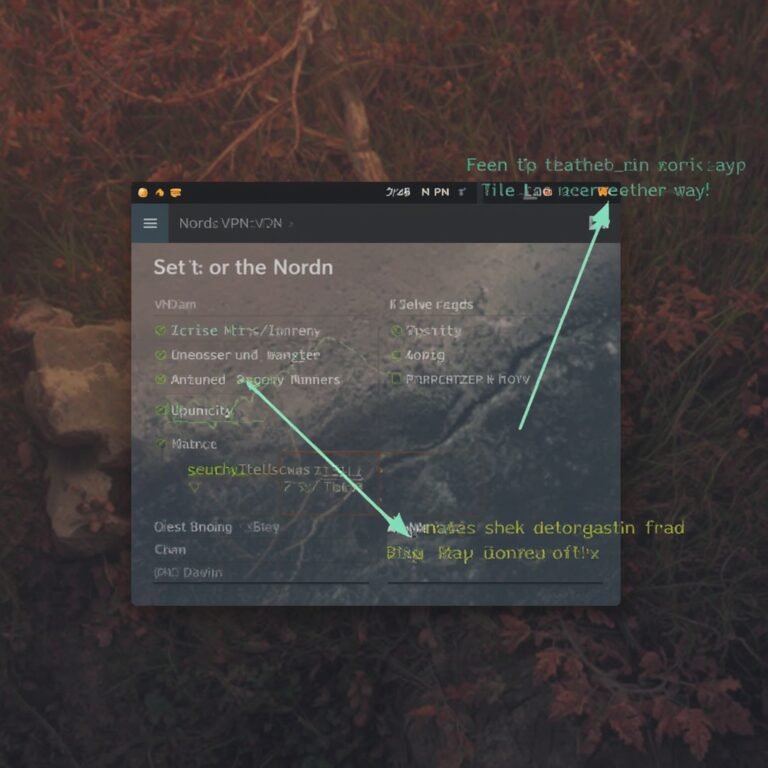
After selecting a provider, download the official client for your platform—Windows, macOS, iOS, Android, or your router. Most VPN apps are user‑friendly, offering a single‑click connection. If you prefer using your web browser, you can install the browser extension; many services support Chrome, Firefox, and Edge. For advanced users, you can configure OpenVPN manually for greater control.
3. Connect to a Server Optimized for Streaming
Once the VPN is installed, launch the app and select a server in the United States or a location that offers the best YouTube TV coverage. Some providers have a dedicated “streaming” option that routes traffic through optimized pathways. If your VPN offers “location‑based routing,” you can automatically choose the fastest U.S. server each time you connect.
For mobile users, you can try the Opera VPN on mobile to keep your data secure while streaming on the go. Remember to toggle off any “background data” limits to avoid throttling during your session.
4. Verify Your IP and DNS Are Masked
Before opening YouTube TV, check that your public IP and DNS requests are no longer revealing your real location. Use online tools like “WhatIsMyIP.com” or “IP Chicken” to confirm that your IP now points to a U.S. address. Also, ensure your DNS requests are routed through the VPN to prevent DNS leaks, which can reveal your location to the streaming platform.
5. Launch YouTube TV and Test Streaming Quality
Open the YouTube TV app or website and start a live stream. Monitor the video quality—if it buffers frequently, switch to a different U.S. server or try the “streaming” mode. If the stream still fails, it could mean the VPN is being detected. In that case, try changing the encryption protocol (OpenVPN, WireGuard, or IKEv2) or switch to a server that’s known for bypassing anti‑VPN detection.
6. Keep Your VPN Updated
VPN providers regularly release updates to counter new detection methods. Make sure your app remains up to date, and if your VPN has a “forced‑upgrade” option, enable it to stay protected. An outdated client can cause connection drops or expose your traffic.
Tips for a Smooth YouTube TV Experience
Use a Fast, Low‑Latency Server
Latency is the primary factor affecting streaming smoothness. Choose a server with a low ping to reduce buffering. If your VPN offers a “speed test” feature, use it to compare servers before locking in your choice.
Enable DNS Leak Protection
Some VPNs have built‑in DNS leak protection. If yours doesn’t, enable it manually in the settings, or use a private DNS service (e.g., Google DNS 8.8.8.8 or Cloudflare DNS 1.1.1.1) that’s routed through the VPN. This helps prevent accidental location leaks.
Turn Off Any VPN Split‑Tunneling Features
Split tunneling can route only selected apps through the VPN. For YouTube TV, ensure the entire traffic is tunneled to avoid the platform detecting your real location through other open apps.
Check for VPN Detection Blocks
If you encounter a “YouTube TV is not available in this region” message, the platform may have flagged your VPN. In this scenario, try a different server or a VPN that advertises “anti‑blocking” features. Many providers publish a list of servers that routinely bypass geo‑restrictions.
Use the Right Protocols
WireGuard is often faster than OpenVPN, but some platforms may block it. If you experience issues, switch to OpenVPN or IKEv2. Some VPNs also allow you to switch between “udp” and “tcp” modes—UDP is generally faster for streaming.
Leverage VPN Router Configuration
For households with multiple devices, setting up a VPN directly on your router ensures all connected devices share a secure and consistent connection. If you’re unsure how to configure your router, many VPN providers offer step‑by‑step router guides.
Use the VPN for Chat GPT Unrestricted Access
Some users want unrestricted access to AI services like Chat GPT. The same VPN can help you bypass geo‑restrictions by selecting an appropriate server. For example, you can learn which location is optimal for Chat GPT by checking the location guide for unrestricted access.
Explore VPNs That Support Streaming Apps
Many VPNs create dedicated profiles for popular streaming services. If your VPN offers a “Netflix” or “YouTube TV” profile, it may automatically select the best server and protocol for you. For reference, you can also read how to use a VPN with Netflix at this guide—the principles apply to YouTube TV as well.
Alternative Methods to Use YouTube TV with a VPN
Use a Smart TV or Streaming Stick with Built‑in VPN
Some smart TVs and streaming sticks (Amazon Fire TV, Roku, Apple TV) allow you to install third‑party VPN apps directly. Install a supported VPN app on the device, connect to a U.S. server, and then launch YouTube TV from the TV’s app store.
Configure a VPN on Your Router
When you configure a VPN on your router, every device in your network automatically routes traffic through the VPN. This is a convenient way to ensure that your YouTube TV app, whether on a phone, tablet, or smart TV, always connects from a protected IP address.
Use a Proxy with VPN Protection
If your VPN service also offers a proxy feature, you can use it in tandem with the VPN to further obfuscate traffic. A proxy can help bypass certain IP blocks, especially if the streaming platform is blocking known VPN IP ranges.
Utilize a Dedicated Streaming Device
Devices like the Nvidia Shield or Amazon Fire TV Stick can run a VPN app and then stream YouTube TV. This setup is popular among users who want the highest quality and lowest latency.
Conclusion
Using a VPN with YouTube TV can unlock a world of content and protect your privacy. By following the detailed steps above—choosing a reputable provider, installing the client, selecting the optimal server, and applying best‑practice tips—you’ll be able to enjoy uninterrupted live television from anywhere in the world.
Remember, the key to a successful VPN for YouTube TV streaming setup lies in selecting the right server and protocol, ensuring all traffic is tunneled, and keeping your software up to date. If you run into issues, try a different server or consult the CyberNews guide for advanced bypass techniques.
We hope this guide helps you achieve a smoother, more reliable streaming experience. Happy viewing, and enjoy the freedom that a solid VPN connection brings to your YouTube TV adventures!