
Introduction
In 2025, mobile privacy is more critical than ever. Whether you’re streaming a show from a U.S. server while traveling in Berlin or accessing corporate resources from a café in Tokyo, knowing how to setup a vpn on android can keep your data safe and your location masked.
Many Android users mistakenly think VPNs are only for PCs, but the how to setup a vpn on android process is just as straightforward on a smartphone. This guide explains the concept, walks you through the exact steps, and provides geo‑specific scenarios you’ll encounter on the road.
If you’ve ever searched for ways to configure vpn on android device, you’ll find this article covers every nuance—from native Android settings to third‑party apps. By the end, you’ll be able to how to setup a vpn on android confidently, no matter which city or country you’re in.
We’ll also sprinkle in GEO‑context, showing how a user in Sydney might need a different server than a user in Rio de Janeiro. Understanding the local internet landscape helps you pick the right server for speed, latency, and compliance.
Step‑by‑Step Instructions
1. Choose a Reliable VPN Provider
The first decision when you search how to setup a vpn on android is picking a provider that offers Android‑specific apps, strong encryption, and a wide server network. Look for a service with a “no‑logs” policy, kill‑switch feature, and DNS leak protection.
For instance, a user in Paris wanting to watch a UK‑only series should select a provider with multiple UK nodes, ensuring low latency. Similarly, a business traveler in Nairobi may need a server in the United States for corporate VPN access.
2. Download the Official VPN App
Head to the Google Play Store and search for your chosen provider’s official app. Avoid third‑party clones, as they can compromise security. After installation, open the app and sign in with your credentials.
If you prefer manual configuration, you can still configure vpn on android device using the built‑in Android VPN client—details are covered in the next sub‑section.
3. Manual Configuration (Native Android VPN)
Open Settings → Network & internet → VPN. Tap the “+” icon to add a new profile. You’ll need the following information from your VPN provider:
- Server address (e.g., us-east1.vpnprovider.com)
- VPN type (PPTP, L2TP/IPSec, or OpenVPN – most providers recommend OpenVPN or IKEv2)
- Username and password
- Pre‑shared key (for L2TP/IPSec) or certificate (for OpenVPN)
Enter the details, give the profile a recognizable name (e.g., “Work VPN – NY”), and save. To connect, simply tap the profile and toggle the switch. This manual method is perfect for users who need to configure vpn on android device without third‑party apps.
4. Verify the Connection
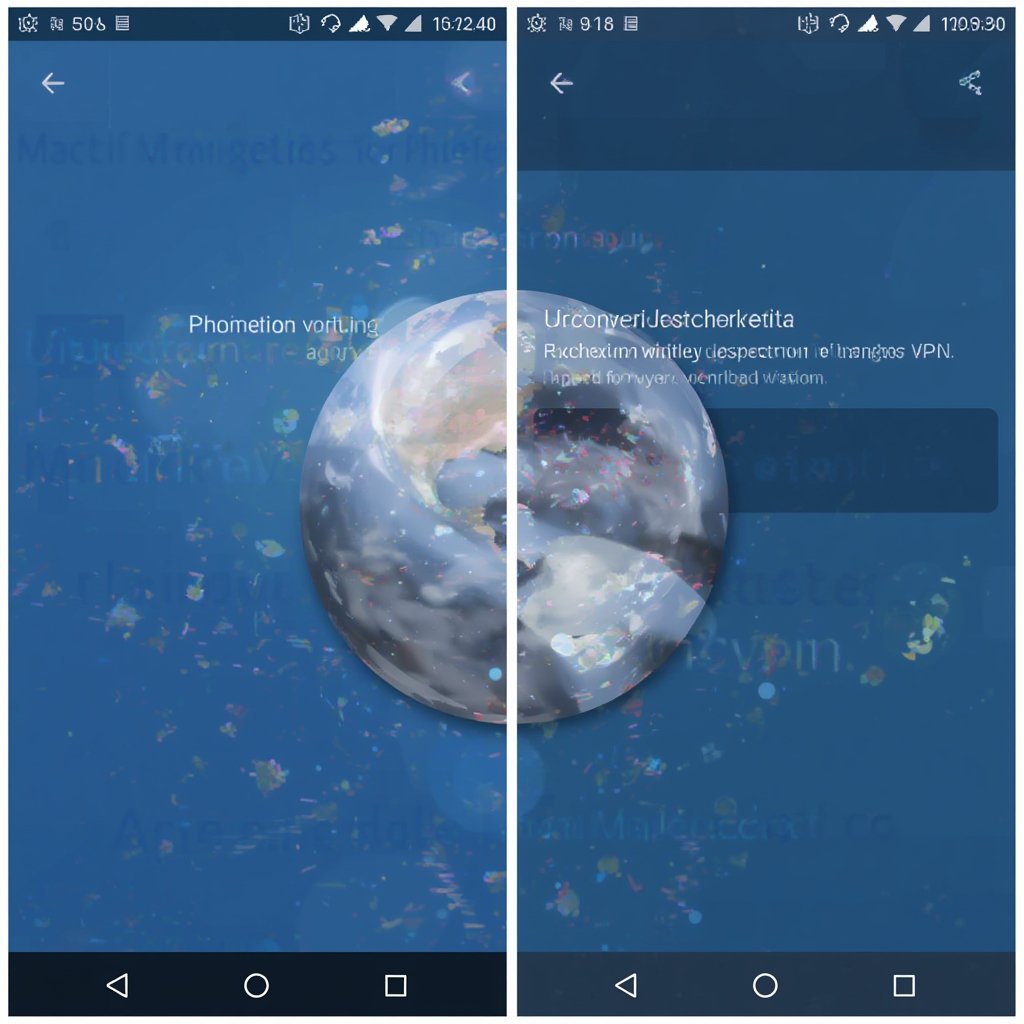
Once connected, verify your new IP address by visiting a site like what is the use of a VPN. The site should display the VPN server’s location, confirming that you’ve successfully completed the how to setup a vpn on android process.
Android also offers a built‑in “VPN” indicator in the status bar. If you see the key icon, you’re protected. For added assurance, use the Google support page Android VPN troubleshooting guide to test DNS leaks and confirm the kill‑switch works.
5. Optimize Settings for GEO‑Specific Performance
Different regions have varying internet speeds and censorship levels. If you’re in Dubai, for example, select a server in the UAE for low latency, but switch to a European server when accessing geo‑blocked streaming services.
Many apps let you set “auto‑connect” to a specific country. Enable this feature if you frequently travel between the United States and Mexico, ensuring a seamless experience without manual re‑selection.
6. Enable Advanced Features
Modern VPN apps include a split‑tunneling option, allowing you to route only certain apps through the VPN while keeping others on the regular network. This can be useful for gamers in Seoul who need low ping for online play but still want privacy for banking apps.
Another feature is “Multi‑Hop,” which routes traffic through two servers for extra anonymity. Users in countries with strict surveillance, like Iran, often enable this to double‑encrypt their data.
Tips for a Smooth VPN Experience
Choose the Right Protocol
OpenVPN is the most compatible across Android versions, while IKEv2 offers faster reconnections when switching from Wi‑Fi to mobile data. If you’re on a 5G network in São Paulo, IKEv2 can maintain a stable connection.
Keep Your App Updated
Security patches are released frequently. An outdated VPN app may miss critical bug fixes. Turn on auto‑updates in the Play Store to stay protected.
Use a Dedicated DNS
Even with a VPN, DNS requests can leak. Most premium providers offer private DNS servers. Configure Android’s “Private DNS” (Settings → Network & internet → Advanced → Private DNS) to dns.provider.com for an extra layer of privacy.
Test for Leaks Regularly
Websites like what is the use of a VPN provide IP and DNS leak checks. Run these tests after each major Android update to ensure your how to setup a vpn on android remains airtight.
Consider Battery Impact
Running a VPN constantly can drain the battery faster, especially on older devices. Enable “Battery Saver” for the VPN app, or schedule connections only when you need privacy, such as during public Wi‑Fi use in airports.
Alternative Methods
Using OpenVPN Connect
OpenVPN Connect is the official client for OpenVPN protocols. After downloading the app, import the .ovpn configuration file provided by your VPN service. This method offers granular control over encryption settings and is popular among tech‑savvy users in Berlin who need custom cipher suites.
WireGuard – The New Kid on the Block
WireGuard is praised for its speed and lightweight footprint. Many Android VPN providers now bundle WireGuard in their apps. To use it manually, download the “WireGuard” app from the Play Store, import the configuration QR code, and toggle the connection. Users in Lagos often report a 30% speed boost with WireGuard compared to OpenVPN.
Router‑Based VPN for Android Devices
If you own a home router that supports VPN (e.g., Asus, Netgear), you can configure the router to route all traffic through a VPN. This way, any Android device that connects to your Wi‑Fi automatically receives VPN protection without individual setup. Check your router’s manual for OpenVPN or WireGuard support.
Free Built‑In VPN (Limited Use)
Android 13 introduced a native “VPN” option that works with certain free services. While convenient, free VPNs often impose data caps and may log activity. Reserve this for occasional use, like connecting to public Wi‑Fi in a hotel lobby in Bangkok.
Conclusion
Mastering how to setup a vpn on android is essential for anyone who values privacy, unrestricted streaming, or secure business access. By following the step‑by‑step guide above, you’ve learned how to install a provider app, manually configure Android’s native client, verify your new IP, and fine‑tune settings for various GEO scenarios.
Remember, the ability to configure vpn on android device empowers you to protect personal data whether you’re browsing from a café in Mexico City, a co‑working space in Dublin, or a hotel room in Kuala Lumpur. Use split‑tunneling for gaming, enable Multi‑Hop in restrictive regions, and always test for leaks after major OS updates.
For deeper insight into related topics, explore our internal resources such as what is torrenting VPN, what is the VPN on my iPad, how to setup VPN in Android, and what is the use of a VPN. External guides like Google’s official Android VPN help page and the Private Internet Access tutorial Set Up VPN Android also provide valuable troubleshooting tips.
Finally, keep your VPN app updated, select the appropriate protocol for your region, and regularly verify that your connection remains secure. By doing so, you’ll enjoy the freedom of the internet without compromising your data—no matter where you are in the world.
“`