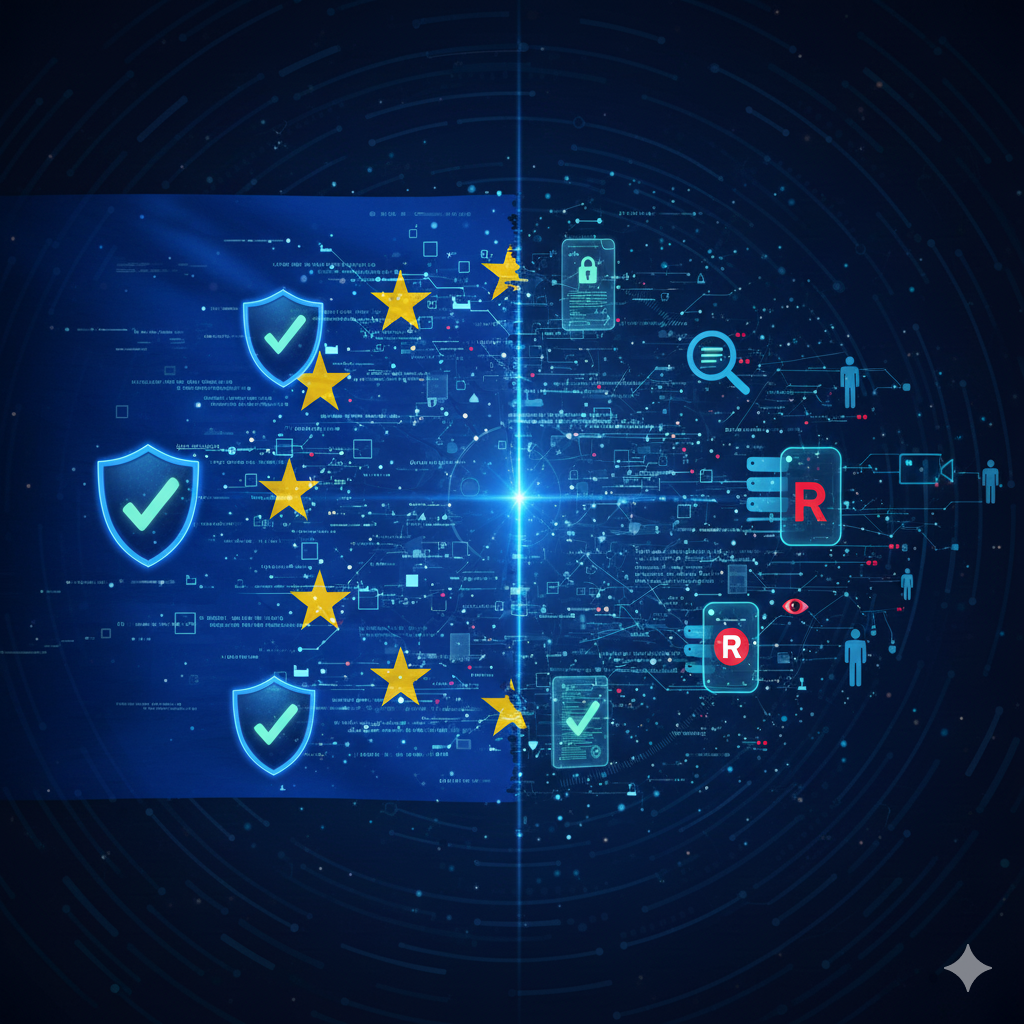

The European Union is once again reshaping the digital privacy landscape. This time, attention is turning toward VPN providers and privacy-focused services, as EU institutions explore broader data retention rules aimed at strengthening law-enforcement access to digital information (EU Data). While the proposals are still in early stages, privacy advocates and VPN companies are already raising concerns that such rules could undermine encryption, anonymity, and user trust across Europe.
For millions of users who rely on VPNs for security, censorship circumvention, and data protection, the question is clear: could EU data rules fundamentally change how VPNs operate?
What Are the New EU Data Rules About?
The discussion centers on a potential EU-wide data retention framework that would expand obligations for service providers to retain certain user metadata for investigative purposes. According to policy briefings and reporting, VPN providers are now explicitly mentioned as potential targets of these measures .
The European Council and Commission argue that current laws have not kept pace with encrypted communications, VPN usage, and modern digital infrastructure. Law enforcement agencies claim they face “going dark” challenges when investigating serious crimes, particularly when VPNs obscure IP addresses and locations.
Why VPN Providers Are in the Spotlight
VPN services are designed to minimize or eliminate user logs, which directly conflicts with data retention mandates. If VPN companies are required to store metadata—such as connection timestamps or source IPs—it could fundamentally weaken privacy guarantees.
Key concerns include:
Conflict with no-logs policies, a core selling point for many VPNs
Increased compliance costs for smaller privacy-focused providers
Risk of data breaches if retained metadata is compromised
Tech analysts note that even partial logging requirements could erode consumer confidence in European-based VPN services.
Lessons From Previous EU Data Retention Laws
The EU has attempted data retention laws before. Notably, the Court of Justice of the European Union (CJEU) has repeatedly struck down blanket data retention mandates as disproportionate and incompatible with fundamental rights.
Experts point out that any new framework must carefully balance security needs with privacy protections to survive legal scrutiny. As one digital rights advocate stated in coverage of the proposal, “Mass data retention has failed legal tests in the past, and expanding it to VPNs risks repeating the same mistakes.”
How This Could Affect VPN Users
If implemented, new EU data rules could have several downstream effects:
Some VPN providers may exit the EU market
Others may relocate infrastructure to privacy-friendly jurisdictions
Users may shift toward open-source or decentralized VPN solutions
Similar trends were seen after surveillance expansions in other regions, where privacy-centric users migrated toward providers outside regulatory reach.
Industry Response and Timeline
At this stage, the EU is conducting impact assessments and consultations, with formal legislative proposals expected in the coming years rather than immediately . VPN providers, digital rights groups, and cybersecurity experts are actively lobbying to ensure encryption and anonymity are preserved.
Several major VPN companies have already reiterated their stance, emphasizing that they would rather shut down services or change jurisdictions than compromise user privacy.
learn more than Revolut Mobile Bundles NordVPN With UK Plans
Conclusion
The possibility that EU data rules could target VPN providers next marks a pivotal moment for digital privacy in Europe. While governments seek stronger investigative tools, VPNs remain essential for journalists, activists, businesses, and everyday users who value online security.
As the legislative process unfolds, one thing is certain: the outcome will significantly shape the future of VPN services, privacy technology, and user trust across the EU. For now, vigilance, transparency, and public debate will be critical in determining whether privacy or surveillance gains the upper hand.