
Introduction
In 2025, mobile privacy is more critical than ever, especially for Android users who travel between the United States, the United Kingdom, and emerging markets like India and Brazil. If you’ve ever typed how do i setup a vpn on android into a search bar, you’re not alone. The surge in public Wi‑Fi hotspots and increasingly aggressive ISP monitoring makes understanding how do i setup a vpn on android essential for safeguarding your data.
Our comprehensive android vpn configuration guide will walk you through every setting, from native Android options to third‑party apps that support WireGuard, OpenVPN, and IKEv2. Whether you’re streaming Netflix in Paris, accessing corporate resources from Tokyo, or simply protecting your banking app while commuting in São Paulo, a solid android vpn configuration guide saves you time and headaches.
Many users also wonder whether their internet provider can see past the VPN tunnel. The answer lies in the encryption protocols you choose, which we’ll explore later. For a quick primer, see our article on Can Internet Providers See VPN?. By the end of this guide, you’ll not only know how do i setup a vpn on android but also how to maintain optimal speed, battery life, and geo‑specific performance.
Throughout the guide we’ll reference real‑world GEO scenarios—like unlocking Australian streaming libraries from New Zealand or ensuring secure connections for remote workers in Nairobi. This practical context helps you see the direct impact of a well‑configured Android VPN on both privacy and accessibility.
Step‑by‑Step Instructions
1. Choose a Reliable VPN Provider
First, pick a service that offers a robust Android client, strong encryption, and servers in the regions you need. Look for providers with a no‑logs policy, support for WireGuard, and a kill‑switch feature. If you’re unsure, read independent reviews on EFF’s privacy page for guidance.
2. Install the Official Android App
Visit the Google Play Store, search for your chosen provider, and install the app. After installation, open the app and log in with your credentials. Many apps also offer a free trial, which can be useful for testing GEO performance in places like Berlin or Mexico City.
3. Access the VPN Settings Within Android
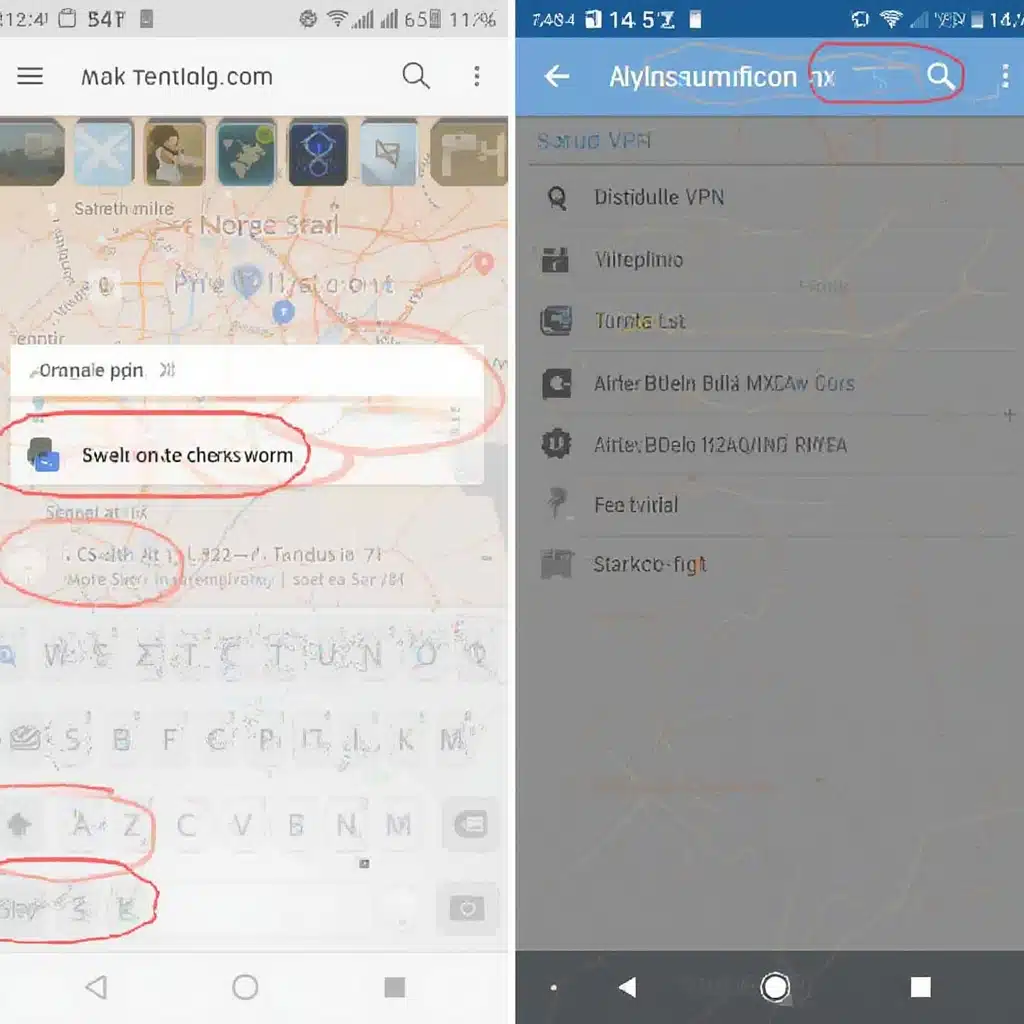
Navigate to Settings → Network & internet → Advanced → VPN. Here you’ll see any manually added profiles as well as those added by apps. To create a manual profile, tap the “+” button and select the VPN type that matches your provider’s recommendation (e.g., WireGuard, OpenVPN, IKEv2).
4. Configure the Profile Using the Android VPN Configuration Guide
Enter the server address, your VPN username, and password as provided by your service. For advanced users, you can import a .conf or .ovpn file directly—this is where the android vpn configuration guide becomes handy. Make sure to enable the “Always-on VPN” and “Block connections without VPN” options to enforce a kill‑switch on Android devices.
5. Verify the Connection
After saving the profile, tap it to connect. A key icon will appear in the status bar. To confirm your IP has changed, visit a site like Cloudflare’s Learning portal and note the displayed location. If you’re in Sydney but see a New York IP, your VPN is functioning correctly.
6. Optimize for Geo‑Specific Use Cases
Most Android VPN apps let you choose a server based on country or city. For streaming services that enforce regional licensing, select a server in the target country (e.g., a London server for BBC iPlayer). Test the latency using the app’s built‑in speed test, and switch to a closer node if buffering occurs.
7. Automate Profiles for Different Scenarios
Android’s built‑in VPN settings allow you to create multiple profiles—one for work, one for travel, one for streaming. Pair each profile with a corresponding app or script using the How Can I Configure a VPN Connection guide. This way you can switch between a high‑speed profile for video calls and a high‑security profile for banking with a single tap.
8. Test for Leaks
Even after a successful connection, DNS or WebRTC leaks can expose your real location. Use online leak test tools to verify that DNS queries are routed through the VPN tunnel. If leaks appear, enable “Private DNS” in Android settings (e.g., 1dot1dot1dot1.cloudflare-dns.com) and re‑run the test.
9. Maintain the VPN Over Time
Regularly update both the Android OS and the VPN app to benefit from security patches. Review your provider’s server status—some may be down for maintenance, affecting GEO performance in places like Kenya or Canada. Keeping the app current also ensures compatibility with the latest Android features, such as per‑app VPN routing introduced in Android 13.
Tips for a Seamless Android VPN Experience
Battery Management: Enable “Battery saver” mode only after confirming the VPN stays active; some Android devices kill background VPN processes to save power.
Split Tunneling: If you need faster speeds for local services (e.g., local banking apps), enable split tunneling to route only selected apps through the VPN while others use the native connection.
Data Caps: Many mobile carriers count VPN traffic toward data limits. Check your plan before streaming high‑definition video from abroad.
Geo‑Specific DNS: Use provider‑specific DNS servers located in the same region as your VPN server to reduce latency for region‑locked content.
Public Wi‑Fi Safety: Always activate the VPN before connecting to coffee‑shop Wi‑Fi in cities like Madrid or Bangkok. This prevents rogue hotspots from sniffing your traffic.
Alternative Methods for Android VPN Setup
If you prefer not to rely on a commercial app, you can configure a VPN manually using third‑party clients like OpenVPN for Android or WireGuard. These apps allow you to import configuration files directly from your provider, giving you greater control over encryption settings.
Another option is to use a built‑in corporate VPN solution (e.g., Cisco AnyConnect) for employees who need secure access to office resources. This method often integrates with Mobile Device Management (MDM) platforms and can enforce compliance policies on Android devices.
For the privacy‑focused, consider using Tor as a VPN alternative. While Tor routes traffic through multiple relays for anonymity, it can be slower than traditional VPNs and is not ideal for streaming, but it offers excellent protection against network surveillance.
Lastly, some users experiment with free VPN services. Be cautious—many free options lack proper encryption or may log your data. Our article Is Urban VPN Free? outlines the risks associated with free VPNs, especially when handling sensitive information.
Conclusion
Understanding how do i setup a vpn on android is no longer a niche skill; it’s a core component of digital hygiene for anyone using a smartphone in 2025. By following this detailed android vpn configuration guide, you can protect personal data, bypass geo‑restrictions, and maintain performance across continents.
Remember to revisit the steps whenever you change servers, update the Android OS, or switch VPN providers. Each time you configure a new connection, refer back to the how do i setup a vpn on android guide to ensure settings like “Always‑on VPN” and “Block connections without VPN” remain enabled. The android vpn configuration guide also reminds you to test for DNS leaks and verify your IP location after each change.
With the right provider, proper configuration, and ongoing maintenance, your Android device becomes a secure portal for work, travel, and entertainment—whether you’re in Lagos, Toronto, or Reykjavik. Stay informed, keep your apps updated, and enjoy the peace of mind that comes from a correctly set up VPN.
“`