Introduction
In today’s hyper‑connected world, knowing how to activate a vpn can mean the difference between seamless streaming and frustrating geo‑blocks. Whether you’re traveling from Madrid to New York, or simply want to protect your data on a public Wi‑Fi hotspot, the ability to secure your traffic is essential. This guide will walk you through every step, from the moment you download a client to the instant you enjoy unrestricted access.
First, let’s clarify why the how to activate a vpn question is more than just a technical curiosity. A VPN (Virtual Private Network) masks your IP address, encrypts data, and lets you appear as if you’re browsing from another country. That means you can watch a Spanish show on Netflix while you’re in Tokyo, or access a U.S.–only news site from Berlin without a hitch.
But activating a VPN isn’t a one‑size‑fits‑all process. You’ll also need to know the best way to setup vpn on device for Windows, macOS, Android, and iOS. This article will cover each platform, provide geo‑specific examples, and even suggest alternative methods for power users.
By the end of this piece, you’ll have a clear roadmap for how to activate a vpn on any device, understand the nuances of setup vpn on device for different operating systems, and be equipped with tips to keep your connection fast and reliable.
Step‑By‑Step Instructions
1. Choose the Right VPN Provider
Before you even think about how to activate a vpn, you need a service that supports the locations you care about. If you’re a fan of TikTok trends in the U.K., check out what vpn works with TikTok. For binge‑watchers, a provider that reliably unlocks Netflix or Hulu is a must.
2. Create Your Account and Download the App
Sign up on the provider’s website, verify your email, and download the appropriate client. Most major VPNs offer dedicated apps for Windows, macOS, Android, and iOS. If you’re using an Android phone, you’ll find the official installation guide on Google’s support page here.
3. Install the Application
Run the installer on Windows or macOS, or open the .apk on Android. Follow the on‑screen prompts: accept the license agreement, choose the installation folder (default is fine), and let the app finish copying files. On macOS, you may need to allow the app in System Preferences → Security & Privacy → General.
4. Log In and Verify Your Subscription
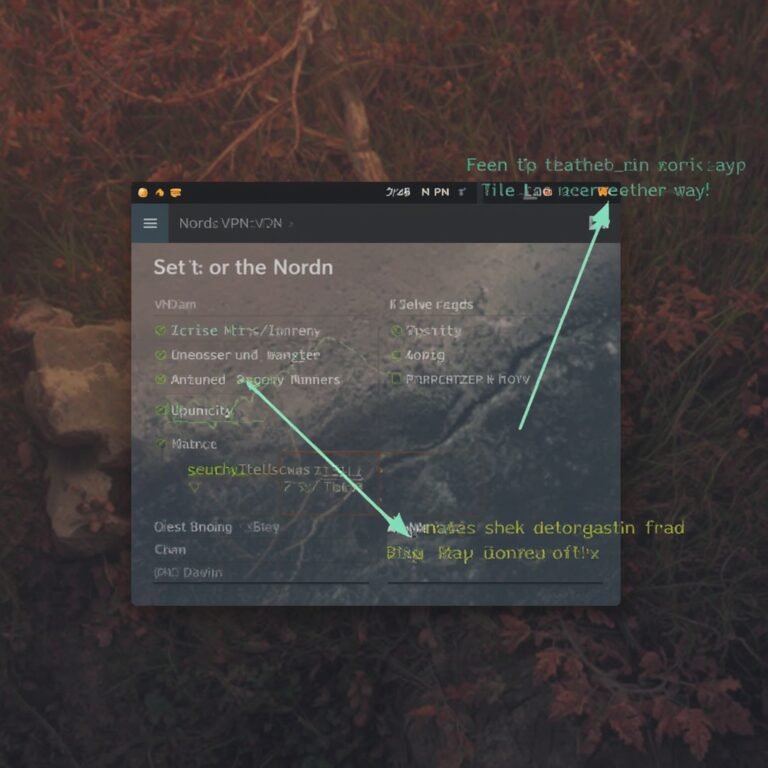
Open the app, enter the credentials you created in step 1, and make sure your subscription status shows as active. A green check‑mark usually indicates that the service is ready to connect.
5. Select a Server Location
Here’s where the geo‑context shines. If you’re in São Paulo but want to access U.S.‑only content, pick a server in New York or Los Angeles. For a seamless experience in Europe, choose Frankfurt (Germany) or London (UK). The provider’s server list typically shows latency; pick a low‑ping option for better speed.
6. Connect and Test the Tunnel
Hit the “Connect” button. Once the status changes to “Connected,” open a web browser and go to https://www.whatismyip.com to confirm that your public IP now reflects the chosen country. If the IP matches, you’ve successfully completed how to activate a vpn.
7. Fine‑Tune the Connection (Optional)
Many apps let you choose protocols such as OpenVPN, WireGuard, or IKEv2. WireGuard often offers the best balance of speed and security. In the settings menu, switch to the protocol that aligns with your network’s requirements. For Windows users specifically looking to setup vpn on device without third‑party software, you can also use the built‑in VPN client.
8. Verify Application Functionality on Mobile
If you own a smartphone, you’ll want to repeat the same steps on iOS or Android. On iOS, go to Settings → General → VPN → Add VPN Configuration, then fill in the details provided by your VPN provider. Android users can import an .ovpn file directly in the app or use the native “Add VPN” option found under Settings → Network & Internet → VPN.
9. Test Streaming Services
Now that you’ve completed the basic how to activate a vpn, it’s time to confirm it works for your favorite platforms. Open Netflix, Hulu, or TikTok and verify you can access the region‑locked catalogue you selected. If you encounter any issues, try switching to a different server within the same country.
10. Troubleshoot Common Issues
Typical problems include DNS leaks, slow speeds, or authentication failures. Most reputable VPNs have a “Kill Switch” feature—enable it to ensure your real IP never leaks if the tunnel drops. For DNS concerns, enable “Custom DNS” and input reputable servers such as 1.1.1.1 (Cloudflare) or 8.8.8.8 (Google).
Tips for Optimizing Your VPN Experience
Geo‑Specific Server Selection
When streaming in Europe, German and Dutch servers often have lower latency for UK viewers. In South America, Brazilian nodes usually provide the fastest connections for Argentine users. Matching the server’s physical proximity to your target region can shave seconds off load times.
Combine VPN with Smart DNS
If you want ultra‑fast streaming without full‑traffic encryption, consider pairing your VPN with a Smart DNS service. The VPN handles security, while Smart DNS routes only video traffic, reducing buffering on platforms like Netflix and Hulu.
Use Split Tunneling
Some VPN apps let you route only certain apps through the encrypted tunnel. This saves bandwidth for everyday browsing while still protecting sensitive traffic (e.g., banking apps). Look for the “Split Tunneling” toggle in your client’s settings.
Maintain Updated Software
Both Windows and macOS frequently release security patches that affect VPN drivers. Keep your operating system up to date, and regularly check for client updates from your provider.
Leverage Multi‑Hop Connections
For high‑risk scenarios (journalism, activism), enable multi‑hop routing—your traffic bounces through two or more VPN servers before reaching the internet, adding an extra layer of anonymity.
Device‑Specific Guides
If you need a detailed guide to setup vpn on device for Windows, follow Microsoft’s step‑by‑step instructions. For macOS, Kaspersky’s support page provides a clear walkthrough. Android users can rely on Google’s official documentation linked earlier, while iOS users should refer to Apple’s built‑in VPN settings.
Alternative Methods to Activate a VPN
Manual Configuration Using Built‑In OS Clients
Instead of a third‑party app, you can manually configure a VPN using the operating system’s native client. This method is ideal for corporate environments or devices where installing extra software is prohibited. Follow the setup vpn on device guide for Windows, or use the “Network Preferences” on macOS to add a new VPN connection.
Router‑Level VPN Deployment
Installing a VPN directly on your home router secures every device on the network—smart TVs, gaming consoles, and IoT gadgets. Most modern routers support OpenVPN or WireGuard firmware. After flashing the router with compatible firmware (e.g., DD‑WRT, OpenWrt), upload the .ovpn file from your provider and enable the service. This approach removes the need to repeat the how to activate a vpn steps on each device.
Browser Extensions
If you only need to bypass geo‑restrictions for web browsing, many VPNs offer Chrome or Firefox extensions. While not as secure as a full‑tunnel client, extensions are quick to install and can be toggled per‑tab. Remember that extensions won’t protect non‑browser traffic, so they’re a supplemental tool rather than a replacement for full how to activate a vpn.
Command‑Line Tools (Advanced Users)
Tech‑savvy users can employ command‑line utilities like openvpn or wg‑quick for WireGuard. This method offers granular control over routing tables and DNS settings. Example for WireGuard on Linux:
sudo wg-quick up myvpnconfig.conf

curl https://ifconfig.me
After confirming the new IP, you’ve manually completed the how to activate a vpn process without a graphical interface.
Conclusion
Understanding how to activate a vpn is no longer a niche skill—it’s a fundamental part of modern digital life. By following the step‑by‑step guide above, you’ve learned how to setup vpn on device across all major platforms, from Windows and macOS to Android and iOS.
Remember, the real power of a VPN lies in its flexibility. Use the tips to optimize latency, protect sensitive transactions, and enjoy geo‑unlocked content from Netflix, Hulu, TikTok, or any regional service you desire. When you need an alternative, consider manual OS configuration, router‑level deployment, or browser extensions to suit your unique environment.
Finally, keep security at the forefront. Regularly update your client, enable kill‑switches, and review DNS settings to avoid leaks. With these practices in place, you’ll master how to activate a vpn and confidently setup vpn on device wherever you go. Happy browsing, streaming, and securing—no matter the country you’re in!“`