
Introduction
Using a how to add a vpn to iphone guide has become essential for anyone who values privacy, bypasses geo‑blocks, or wants to secure public Wi‑Fi connections. Whether you’re traveling in Europe, streaming from Canada, or simply protecting your data in the United States, a VPN turns your iPhone into a mobile shield. How to add a vpn to iphone is more than a technical tip—it’s a step toward digital autonomy.
The process is straightforward once you know the exact steps, so we’ll walk through a setup vpn on iphone guide that works with iOS 17 and earlier. In the next sections, you’ll learn how to add a VPN, test its effectiveness, and troubleshoot common pitfalls. We’ll also explore alternative methods and give you actionable tips to optimize performance. Finally, we’ll discuss why how to add a vpn to iphone is a crucial skill for anyone who uses an iPhone regularly.
To round out this guide, we’ll reference key resources. When you wonder when does google end vpn, you’ll find a helpful article that explains Google’s stance on VPN services. If you need context on corporate solutions, we’ll cover what is a corporate vpn in the Alternative Methods section. Keep reading to master setup vpn on iphone and secure your mobile experience.
Step‑by‑Step Instructions
1. Open the Settings App
Tap the Settings icon on your home screen. This is the starting point for every configuration tweak on your iPhone. You’ll find the VPN option under the main settings menu. How to add a vpn to iphone begins here—no external apps required.
2. Navigate to “General” and Then “VPN”
In the Settings menu, scroll down to General. Tap it, then scroll again until you see VPN. Tap VPN to open the VPN configuration screen. At this point, you’re ready to add a new VPN profile. This is a key step in setup vpn on iphone.
3. Add a New VPN Configuration
Tap Add VPN… and choose the type of VPN you’re using. iOS supports IKEv2, IPSec, and L2TP. If your provider uses a custom protocol, look for a “Manual” or “Custom” option. Once you select the protocol, fill in the required fields: Type, Server, Remote ID, Local ID, and Username/Password. This is the heart of setup vpn on iphone.
4. Configure Authentication and Options
Under Authentication Settings, you’ll input your username and password. Some providers also offer certificates or pre‑shared keys. If you receive a certificate file (.pem, .cer), tap Certificate to import. Set any additional options such as Send All Traffic or Use DNS. These choices influence how the VPN will route your data.
5. Save and Enable the VPN
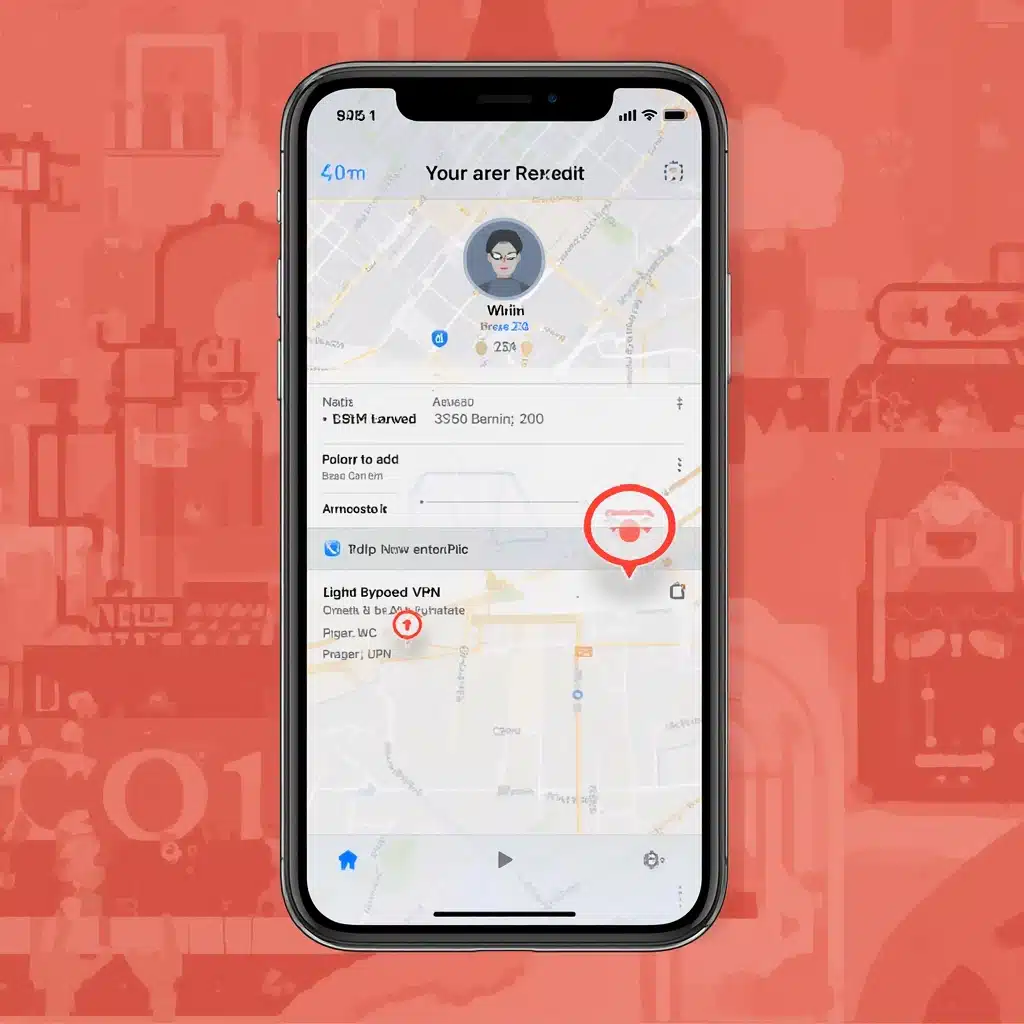
After entering all details, tap Done in the top right corner. The new VPN configuration will appear in the list. Flip the switch next to the configuration to enable the VPN. A green bar will show up at the top of your screen, indicating an active VPN connection. At this point, you have successfully completed setup vpn on iphone.
6. Test Your Connection
Open a browser or a VPN‑testing website such as WhatIsMyIP.com to confirm your IP address has changed. If you see a new country code or IP range that matches your VPN server, everything is working. If not, double‑check the server address and credentials. How to add a vpn to iphone is complete when your traffic is encrypted and your location is masked.
7. Optional: Automate VPN Activation
iOS allows you to set the VPN to connect automatically when you enter a specific Wi‑Fi network or at a scheduled time. In the VPN configuration, toggle Auto‑Connect and specify the network. This ensures you’re always protected without manual intervention—an essential tip for frequent travelers.
8. Troubleshoot Common Issues
If the VPN fails to connect, verify the following:
- Server address is correct and reachable.
- Username/password or certificate is valid.
- Firewall or network restrictions are not blocking the VPN ports.
- iOS is up to date (Settings → General → Software Update).
For advanced troubleshooting, refer to the official Apple manual: Manual Configuration for iOS. If you’re still stuck, the Apple Developer Forum provides community insights: Apple Discussions – VPN on iOS.
Tips
Choose a Reputable VPN Provider
A good VPN must have a strict no‑logs policy, strong encryption, and high‑speed servers. If you’re looking for a trustworthy choice, consult the resource on how to add a vpn to iphone for provider recommendations.
Prioritize Speed and Latency
For streaming or gaming, select a server geographically close to your destination. In the U.K., a London server will provide lower latency than a server in New York. Test multiple servers and pick the one with the best ping.
Enable Split Tunneling
Some VPN apps allow split tunneling, letting you route only certain apps through the VPN while others use the regular network. This can reduce bandwidth usage and improve speed for non‑sensitive activities.
Keep Your iOS Updated
Apple regularly patches security vulnerabilities. Running the latest iOS ensures your VPN connection uses the most recent cryptographic standards. Check Settings → General → Software Update regularly.
Understand Your VPN’s DNS Settings
By default, the VPN may use the provider’s DNS. If you prefer a third‑party DNS (e.g., Cloudflare 1.1.1.1), enable the DNS option in the VPN settings or use a custom DNS app. This can prevent DNS leaks.
Monitor Your VPN Connection
Use built‑in diagnostics: Settings → General → About → Status. The VPN icon should stay active until you manually disconnect. If it disconnects unexpectedly, revisit the configuration steps above.
Alternative Methods
Use a VPN App from the App Store
Many VPN providers offer official apps that streamline the setup process. These apps typically handle the configuration automatically and provide additional features like kill switches and auto‑connect. For example, apps from ExpressVPN, NordVPN, or Surfshark simplify setup vpn on iphone and reduce manual steps.
Manual Configuration via Custom Scripts
Advanced users can generate VPN profiles (.mobileconfig files) on a desktop and email them to their iPhone for import. Once received, tap the attachment to install the profile automatically. This method is handy for enterprise environments and for setting up a corporate VPN: what is a corporate vpn.
Use a Browser‑Based VPN Extension
Although not as secure as a full‑device VPN, browser extensions can encrypt traffic within the browser. Extensions like ProtonVPN Browser Extension or Windscribe work on Safari and Chrome on iOS, offering a lightweight alternative if you only need web protection.
Utilize a Proxy Server
Setting up a proxy is less secure than a VPN but can bypass geo‑blocks for browsing. In Settings → Safari → Advanced → Proxies, configure HTTP or HTTPS proxies. This method is useful for quick access to region‑locked sites but does not encrypt traffic.
Set Up a VPN via an Email Profile
Some ISPs or corporate networks provide a VPN profile via email. Open the attachment, follow the prompts to install, and then activate it from Settings → General → VPN. This bypasses manual configuration and is ideal for whats vpn on my iphone inquiries.
Conclusion
Mastering how to add a vpn to iphone is a foundational skill for secure mobile usage. By following the setup vpn on iphone steps outlined above, you can protect your privacy, access restricted content, and safeguard your data on public networks. Remember to choose a reputable provider, keep your system updated, and monitor your connection for leaks or interruptions.
Whether you’re in the United States, Europe, or any other part of the world, the same principles apply. A reliable VPN turns your iPhone into a secure, privacy‑focused device that respects your digital boundaries. By leveraging the built‑in iOS features and optional apps, you can easily setup vpn on iphone without complex networking knowledge.
Should you need additional context on what a corporate VPN offers or want to understand how VPNs interact with your specific device, consult the internal resources linked throughout this guide. These references deepen your knowledge and ensure you stay ahead of emerging threats and policy changes. Stay safe, stay private, and enjoy the freedom that comes from knowing how to add a vpn to iphone is within your control.