
Introduction
For homeowners and small businesses that rely on a stable internet connection, a how to configure vpn on tp link router can be the difference between secure data and potential leaks. This guide focuses on the step‑by‑step process for configuring a VPN on a TP‑Link router, a task that many users find daunting. By following these instructions you will learn how to protect your network, unblock region‑locked content, and keep your online activity private.
Whether you’re based in the United States, Canada, the United Kingdom, or Australia, the same core principles apply. However, local ISP policies or government restrictions can affect VPN performance, so it’s helpful to tailor the settings to your region. For example, a Canadian user might prefer a server in the U.S. for faster speeds, while a UK resident might choose a European server for lower latency.
In this article we will cover the essential steps for setup vpn on tp link router and address common challenges. We’ll also touch on alternate methods, such as using a dedicated VPN appliance, and provide tips for optimizing performance. By the end of this guide you’ll be able to configure your TP‑Link router to route all traffic through a VPN tunnel, ensuring privacy and freedom across all devices in your network.
Step‑by‑Step Instructions
1. Gather Your VPN Information
Before you log into your TP‑Link router’s admin panel, you need the following credentials from your VPN provider: server address, username, password, and the VPN protocol (OpenVPN, L2TP/IPsec, or PPTP). Make sure your VPN subscription includes the necessary server list and that you have the latest configuration files if your provider uses OpenVPN.
2. Log into the TP‑Link Admin Interface
Open a web browser on a computer connected to your TP‑Link router. Type the router’s default IP address (usually 192.168.0.1 or 192.168.1.1) and press Enter. Enter your username and password; the default is often “admin/admin.” If you’ve changed the login details, use those instead.
3. Navigate to VPN Settings
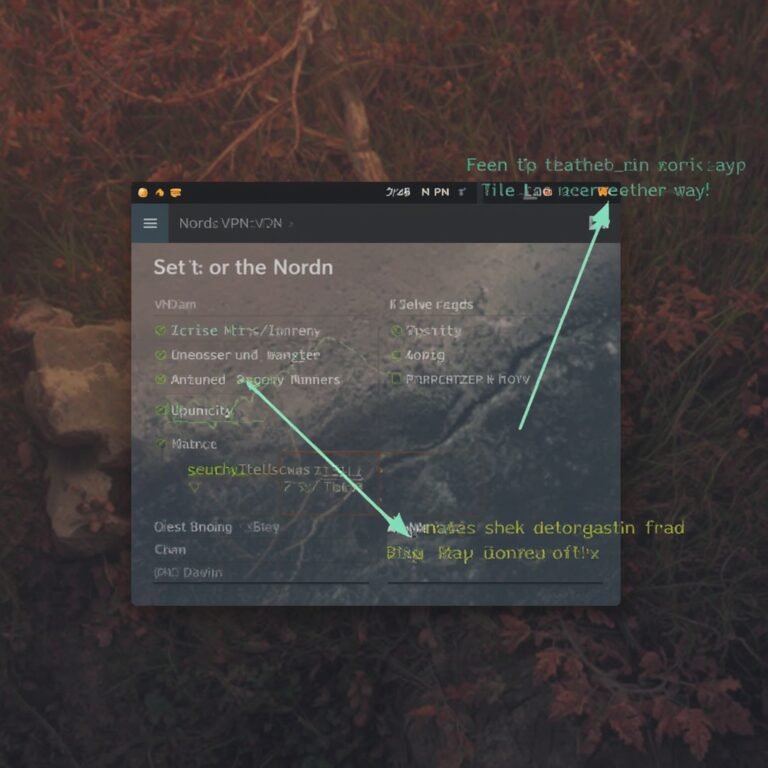
Once logged in, locate the VPN section. On many TP‑Link models, this is found under Advanced Settings → VPN Client. Some newer firmware versions move it to VPN → Client. If you cannot find it, consult the user manual or the TP‑Link VPN configuration guide.
4. Create a New VPN Client Profile
Click Add or New Client to begin setting up a profile. Give the profile a descriptive name such as “Personal VPN” or “Corporate VPN.” Choose the appropriate VPN protocol as recommended by your provider.
- OpenVPN: Requires importing the .ovpn file. Use the Import button to upload the file and then edit the username and password if necessary.
- L2TP/IPsec: Enter the server address, pre‑shared key, username, and password.
- PPTP: Provide the server address, username, and password (note that PPTP is less secure).
5. Configure Advanced Settings (Optional)
For optimal performance, adjust the following settings:
- DNS: Set DNS servers to those provided by your VPN or use public resolvers like 8.8.8.8.
- Split Tunneling: If you want only certain devices or traffic to use the VPN, enable split tunneling and specify IP ranges.
- QoS: Prioritize VPN traffic for smoother streaming or gaming sessions.
6. Activate the VPN Client
After filling out all required fields, click Save and then Apply. The router will attempt to connect to the VPN server. A status indicator should show “Connected” when the tunnel is established. If it shows “Failed,” double‑check your credentials and protocol settings.
7. Verify the VPN Connection
Open a web browser and visit https://whatismyipaddress.com or a similar IP lookup site. Verify that the displayed IP matches the VPN server’s location. Additionally, use a VPN connection checker to confirm that DNS leaks are resolved.
8. Test All Devices
Ensure that all devices—smartphones, tablets, laptops, and IoT gadgets—route traffic through the VPN. For devices that can be configured manually, confirm they are set to use the router as the default gateway. If you’re using a setup vpn on tp link router method for a corporate network, verify that all endpoints adhere to the security policy.
9. Troubleshoot Common Issues
If you encounter connectivity problems, try the following:
- Check for firmware updates on the TP‑Link router.
- Restart the router and the VPN client.
- Switch VPN protocols if the chosen one is unsupported or blocked by your ISP.
- Consult the VPN provider’s FAQ or contact support for specific server configurations.
Tips
Optimize for Speed
Choosing a server closer to your physical location reduces latency. In the setup vpn on tp link router process, prioritize servers with the lowest ping times. Also, enabling UDP mode for OpenVPN often yields better throughput than TCP.
Secure DNS
Even when VPN is active, DNS requests can leak. Configure the router’s DNS to use secure resolvers or the VPN provider’s DNS. This ensures that all queries stay within the encrypted tunnel.
Use Quality of Service (QoS)
When streaming HD or playing online games, set QoS rules to prioritize video or gaming traffic over other data. This helps maintain smooth performance even when the VPN is running.
Monitor Bandwidth
Some VPNs throttle bandwidth on free plans. If you notice slow speeds, test with another server or upgrade your VPN package. Use the Bitdefender Plus VPN free trial to compare speeds before committing.
Regularly Update Firmware
Firmware updates often include bug fixes and security patches that can improve VPN stability. Keep your TP‑Link router’s firmware at the latest version.
Alternative Methods
Using a Dedicated VPN Appliance
For enterprise environments or users needing higher throughput, a dedicated VPN appliance (e.g., a small form‑factor computer running OpenVPN or WireGuard) can provide better performance and more advanced features than a router. This method bypasses the router’s limited VPN processing capabilities.
VPN on Individual Devices
If you only need VPN protection on a single device, consider installing the VPN client on that device directly. This approach reduces load on the router and allows device‑specific configurations. For instance, an iPhone user can use the Apple TV VPN guide to secure streaming on the Apple TV.
Cloud‑Based VPN
Some cloud services (e.g., AWS VPN, Azure VPN Gateway) let you route your entire network through a managed VPN. This approach is ideal for businesses with remote offices and can be integrated with TP‑Link routers via static routes.
Using a VPN-Compatible Router
If your TP‑Link model lacks built‑in VPN support, consider upgrading to a router that natively supports OpenVPN or WireGuard. Brands like Asus, Netgear, and Synology often include robust VPN features.
VPN on Windows 10
For Windows 10 users who need a quick solution, the built‑in VPN client can be set up using the Windows 10 VPN setup guide. While this does not route all network traffic, it suffices for browsing and streaming.
Conclusion
Mastering the how to configure vpn on tp link router process empowers you to secure every device on your network. By carefully following each step—from gathering credentials to verifying connectivity—you can transform an ordinary home network into a privacy‑first, censorship‑bypass system. Remember, the setup vpn on tp link router approach is versatile: you can fine‑tune it for gaming, streaming, or corporate data protection.
For those seeking a deeper dive, consult the TP‑Link setup vpn on tp link router FAQ, which offers additional troubleshooting tips and advanced configurations. If you run into roadblocks, the community forum on Reddit’s TP‑Link subreddit is an excellent resource for peer support.
Ultimately, a properly configured VPN on your TP‑Link router protects your personal data, keeps your online activities private, and grants you freedom to access content worldwide. Whether you’re in the U.S., Canada, the U.K., or elsewhere, the steps outlined here will guide you to a secure and reliable VPN experience.