

Introduction
When you need a secure, private connection to browse the web, work from home, or access geo‑restricted content, you’ll often turn to a Virtual Private Network (VPN). One of the most common scenarios is how to configure windows 10 vpn for a corporate intranet or personal privacy. The steps can vary depending on whether you are using the built‑in Windows 10 client or a third‑party application, and whether you want the VPN to be available to all users on the machine or just a single user.
Another phrase that surfaces in many online forums is setup vpn on windows 10. Whether you are a sysadmin, a small business owner, or a tech‑savvy homeowner, learning how to set up a VPN on Windows 10 can dramatically improve network security and reduce exposure to cyber threats.
In this guide we’ll walk through the entire process of how to configure windows 10 vpn using the native Windows 10 VPN client, covering everything from gathering the necessary credentials to ensuring all users on the system can benefit from the connection. We’ll also explore setup vpn on windows 10 from the perspective of a server administrator who wants to expose internal resources to remote employees securely.
By the end of this article you will be able to answer the common question: “How to configure windows 10 vpn” and will have a solid foundation for setup vpn on windows 10 that can be replicated across multiple devices. Let’s dive in.
Step‑by‑Step Instructions
1. Gather Your VPN Credentials
Before you open the Windows 10 VPN settings, you need the server address, your username, password, and any pre‑shared key or certificates that your VPN provider or network administrator supplies. Knowing these details will make the configuration process smoother and avoid the frustration of repeated failed attempts.
When you are preparing to how to configure windows 10 vpn, check that the server supports the type of VPN you need—most common ones are PPTP, L2TP/IPSec, SSTP, and IKEv2. Make sure you have the correct port numbers and encryption settings for the chosen protocol.
2. Open the Windows 10 VPN Client
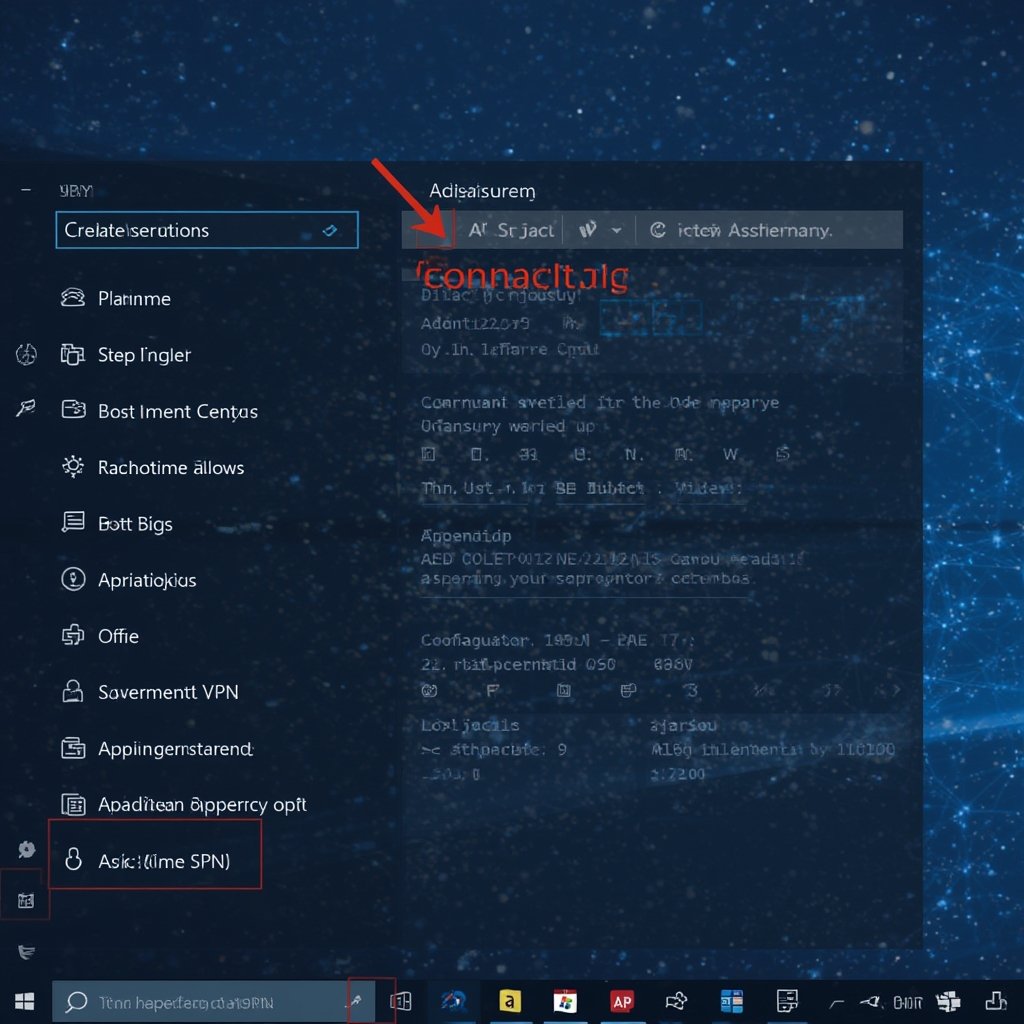
Click on the Start button, type VPN and then select VPN settings from the search results. Alternatively, you can go to Settings > Network & Internet > VPN. Here you will see any existing VPN connections.
To begin how to configure windows 10 vpn, click the Add a VPN connection button.
3. Enter the VPN Connection Details
In the “Add a VPN” window, fill in the following fields:
- VPN provider: Choose Windows (built-in).
- Connection name: Pick a descriptive name so you can easily identify it later.
- Server name or address: Enter the IP address or hostname of your VPN server.
- VPN type: Select the protocol that matches your credentials.
- Type of sign‑in info: Choose Username and password or Smart card depending on what your VPN requires.
- Username and Password: Enter the credentials you obtained.
Once you click Save, the new VPN connection will appear in the list. This is the first step toward setup vpn on windows 10 for a single user account.
4. Connect to the VPN
Click on the newly created connection, then hit Connect. A connection attempt will be initiated, and you may receive a prompt to trust the VPN server certificate if you are using an IKEv2 or SSTP connection. Once connected, your network traffic will be routed through the VPN tunnel.
Testing your new connection is a vital part of how to configure windows 10 vpn. Use whatismyip.com to confirm that your public IP address reflects the VPN server’s location.
5. Enable VPN for All Users
By default, Windows 10 VPN connections are user‑specific. If you want the VPN to be available to all users on the system—such as for a small office or a family—follow these additional steps.
Open the Local Group Policy Editor by typing gpedit.msc in the Start menu. Navigate to Computer Configuration > Administrative Templates > Network > Network Connections > Windows Firewall. Double‑click Allow local firewall connections for VPN connections and set it to Enabled. Click OK.
Next, you need to ensure that the VPN connection is added to the All Users profile. Right‑click the VPN connection in the VPN settings window, select Properties, then go to the General tab. Click Connect automatically and enable it. This ensures that every account will see and be able to connect to the VPN without manual configuration.
After these steps, the process of setup vpn on windows 10 is complete for the entire machine.
6. Troubleshoot Common Issues
If you experience problems connecting, consider the following troubleshooting steps:
- Verify that the VPN server is online and reachable.
- Check that the firewall on your machine or network allows the VPN protocol’s ports.
- Ensure that the time and date on your computer are accurate—certificate validation can fail otherwise.
- Try changing the VPN type or disabling the Use default gateway on remote network option under the VPN’s Advanced settings.
For advanced troubleshooting, consult the Windows built‑in VPN client guide and the Serverfault discussion.
7. Keep Your VPN Secure
Once your VPN is active, it’s essential to maintain security best practices:
- Keep your VPN client software and Windows updates current.
- Use strong, unique passwords and consider two‑factor authentication.
- Regularly review the VPN logs for any unauthorized access.
- Use a reputable VPN provider or configure your own server with the latest security patches.
Tips
Below are some practical tips to streamline the experience of how to configure windows 10 vpn and keep your connection stable and secure.
Tip 1 – Use a Strong VPN Protocol
Protocols like IKEv2 or SSTP offer better security and reliability than older options like PPTP. When you’re setting up VPN on Windows 10, choose the protocol that matches your provider’s recommendations.
Tip 2 – Disable IPv6 Over VPN
Some VPN servers have trouble handling IPv6 traffic. Disable IPv6 on the VPN connection by going to the network adapter’s properties and unchecking the IPv6 box. This can improve stability.
Tip 3 – Configure Split Tunneling
If you only need specific applications to use the VPN, enable split tunneling in the VPN’s advanced settings. This saves bandwidth and reduces latency for non‑VPN traffic.
Tip 4 – Automate VPN Reconnection
Use Windows Task Scheduler to trigger a reconnection script if the VPN drops. A simple PowerShell command can be scheduled to run every 15 minutes.
Alternative Methods
If the built‑in Windows 10 VPN client doesn’t meet your needs, consider these alternatives. Each offers its own advantages for different scenarios.
1. Third‑Party VPN Clients
Popular providers like ExpressVPN, NordVPN, and CyberGhost have Windows desktop apps that are often easier to configure. These clients typically offer a one‑click connection, auto‑start, and automatic kill switches.
For more information on how to install and hide a VPN, visit how to hide a VPN.
2. OpenVPN or WireGuard
OpenVPN and WireGuard are open‑source protocols that provide robust security and cross‑platform support. You can install the OpenVPN GUI or WireGuard client and import your configuration file.
When you want to setup vpn on windows 10 on a network that requires advanced routing or custom firewall rules, these protocols give you finer control.
3. Using Windows 10 as a VPN Server
For small office environments, you may wish to set up Windows 10 as a VPN server. This allows remote workers to connect directly to the local network. The steps involve enabling the RRAS role, configuring a VPN protocol, and adding user permissions.
For an in‑depth guide on how to set up a VPN server on Windows 10, refer to setup vpn on windows 10.
4. VPN on Mobile and Other Devices
These resources help you extend your VPN protection across all your devices, ensuring a seamless, secure experience.
5. Using VPN for Sports Streaming
Some users ask if a VPN can help bypass geo‑restrictions on sports platforms like FanDuel. The answer is yes, but you must use a high‑speed server close to the data center. Learn more in the can i use a VPN for FanDuel article.
Conclusion
Mastering the process of how to configure windows 10 vpn equips you with a powerful tool for protecting your online privacy, accessing corporate resources securely, and bypassing geographical restrictions. By following the step‑by‑step instructions outlined above, you can set up a reliable VPN connection that works for both individual users and the entire system.
In addition, understanding setup vpn on windows 10 is invaluable for IT professionals who need to provide remote access to employees or guests. Whether you’re using the built‑in client, a third‑party app, or a custom OpenVPN setup, the key is to keep the configuration simple, secure, and maintainable.
Remember, the VPN ecosystem is always evolving. Keep your software and firmware up to date, and stay informed about new protocols and best practices. With the knowledge and resources provided here, you are ready to take control of your network traffic and enjoy the peace of mind that a well‑configured VPN offers.



