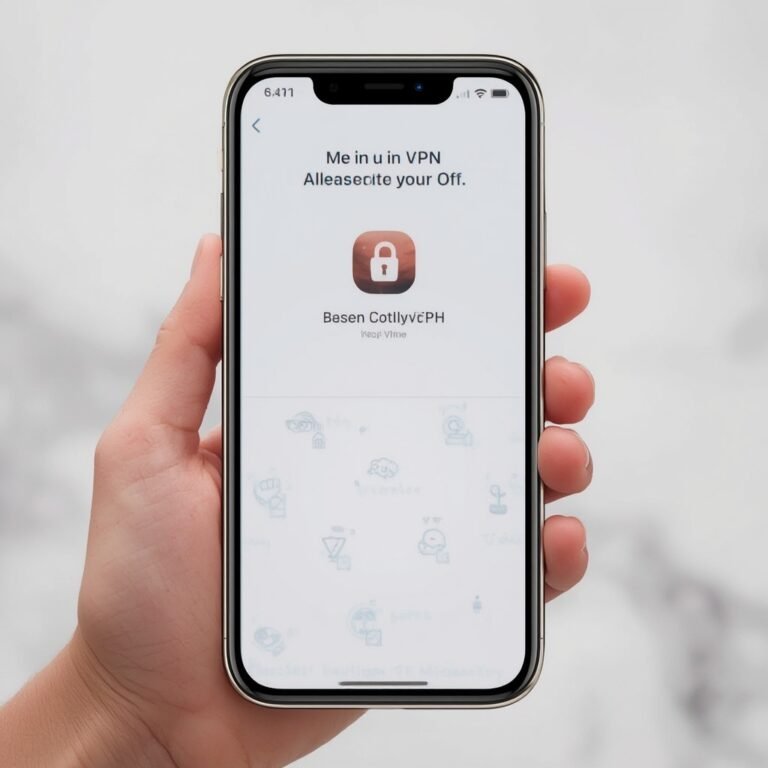
Introduction
In today’s hyperconnected world, a reliable VPN is essential for privacy, security, and accessing geo‑restricted content. Whether you’re working remotely from Paris or streaming in Tokyo, how to connect vpn connection becomes a daily skill.
Many beginners ask the same question: how to connect vpn connection quickly, securely, and without downtime. This guide breaks down the process step by step, covering every major operating system and device type.
Beyond connectivity, you’ll learn why a VPN protects your data from corporate snoops, public Wi‑Fi threats, and even government surveillance. Curious about the legal landscape in Germany or Australia? We’ll weave geo‑specific examples into the instructions.
In addition, we’ll highlight setup vpn connection on Windows and explore alternatives for macOS, Linux, Android, and iOS. You’ll finish with best‑practice tips that keep your VPN running smoothly.
By the end, you’ll not only know how to connect vpn connection, but also why a VPN is indispensable for travelers, remote workers, and anyone concerned about online freedom.
Let’s dive into the world of virtual private networks and see how simple it can be to set up a robust, secure connection.
Step‑by‑Step Instructions
1. Choosing the Right VPN Service
Select a provider that offers a global server network, strong encryption, and no‑log policies. Look for a clear privacy policy, a reputable jurisdiction, and excellent customer support.
Make sure the VPN supports the protocols you prefer: OpenVPN, WireGuard, or IKEv2. Most modern services provide a free trial to test performance in London or Seoul.
After choosing your VPN, sign up and download the client from the official website. Avoid third‑party apps that might compromise your security.
2. Windows – Setting Up a VPN Connection
Windows users can install the official client or manually add a VPN profile. The latter is useful for advanced users who prefer custom settings.
To manually add a VPN, open the Settings app, navigate to “Network & Internet,” and click “VPN.” Then select “Add a VPN connection.”
Enter the server address, VPN type (OpenVPN or WireGuard), your username and password, and click “Save.” For detailed steps, see the setup vpn connection guide from Microsoft.
Once configured, toggle the VPN switch to connect. Verify your IP change by visiting a “what‑is‑my‑IP” site. If the IP is different from your usual location, the VPN is active.
Remember to always disconnect when you’re finished. You can create a quick‑launch shortcut on your desktop for future use.
3. macOS – Configuring a VPN
Open the Apple menu and select “System Settings,” then “Network.” Click the plus icon (+) and choose “VPN” as the interface type.
Choose the VPN type (IKEv2, IPSec, or L2TP) based on your provider’s instructions. Enter the server, account name, and authentication credentials.
If your VPN uses a .ovpn file, launch the Tunnelblick or Viscosity app, import the file, and then connect.
After connecting, you should see a VPN icon in the menu bar. A quick test of your IP address confirms a successful connection.
To streamline future connections, check “Show VPN status in menu bar.” This gives you instant toggle access.
4. Linux – Using OpenVPN and WireGuard
For Debian‑based distributions, install OpenVPN with “sudo apt‑install openvpn.” WireGuard can be added via “sudo apt‑install wireguard.”
Download the .ovpn file from your VPN provider, then run “sudo openvpn –config your‑config.ovpn” for OpenVPN.
For WireGuard, copy the config file to “/etc/wireguard/”, then activate with “sudo wg‑quick up wg0.” Replace “wg0” with your chosen interface name.
Confirm the connection by pinging an external domain or checking your IP. You can also set up a systemd service for automatic startup.
Linux users appreciate the flexibility of manual configuration; it allows integration with network managers or advanced routing rules.
5. Android – Connecting on Mobile Devices
Download the official VPN app from Google Play or the provider’s website. After installation, open the app and sign in.
Most Android VPNs use the built‑in VPN framework. If your provider offers an .ovpn file, tap “Import” in the app and choose the file.
Once the profile is imported, tap “Connect.” The status bar will display a lock icon indicating an active VPN.
For advanced users, Android’s “Settings” → “Network & Internet” → “VPN” allows manual addition of a new VPN profile.
Be sure to enable “Kill Switch” or “Always On” for maximum security on public Wi‑Fi networks.
6. iOS – Configuring a VPN on iPhones and iPads
Open the Settings app, tap “General,” then “VPN.” Choose “Add VPN Configuration” and select the type (IKEv2, IPSec, or L2TP).
Enter the server, remote ID, and authentication credentials. Save the configuration and toggle the VPN switch to connect.
Alternatively, download the official app from the App Store. Most providers bundle the configuration file within the app, simplifying the process.
After connecting, the status bar will show a VPN icon. Confirm the new IP by visiting a website that displays your public IP address.
For frequent users, enable “Connect On Demand” to automatically start the VPN when you join an untrusted network.
7. Testing and Troubleshooting Your VPN
If your VPN doesn’t connect, check the following: correct credentials, proper protocol, and a stable internet connection.
For OpenVPN, review the log file at “/var/log/openvpn.log” (Linux) or the “Log” tab in the Windows client. Error messages can guide your next steps.
Try switching servers. Many providers have regional servers; selecting one closer to your physical location often improves speed.
If you’re still encountering issues, disable any firewall or antivirus that may block VPN traffic. Re‑enable them once the VPN works.
For persistent problems, reach out to the VPN’s support team. Most offer chat or email assistance within minutes.
Tips for Optimizing Your VPN Experience
1. Choose Servers Strategically
Select a server with low latency and high bandwidth. If you’re streaming in Brazil, a server in São Paulo is ideal; for gaming in Singapore, choose a nearby Singapore server.
Use the provider’s speed test feature to compare server performance in real time.
Consider regional restrictions when selecting a server for streaming services like Netflix or Disney+. A UK server often bypasses most geo‑blocks.
Always keep an eye on server load; overloaded servers can degrade your experience.
2. Enable Split Tunneling
Split tunneling allows you to route only certain apps through the VPN while others use your regular connection.
This saves bandwidth and improves speed for non‑sensitive tasks, such as browsing news websites.
Most modern VPN apps provide a simple toggle for split tunneling. Check the settings under “Apps & Devices.”
Use this feature when you’re on a limited data plan or need to access local services that are blocked by the VPN.
3. Keep Your Client Updated
VPN providers regularly release updates to fix bugs, improve performance, and patch security vulnerabilities.
Enable automatic updates or check for new releases monthly.
Outdated clients may lack support for the latest encryption protocols like WireGuard, leaving your connection vulnerable.
Regular updates also add new server locations and features such as ad‑blocking.
4. Use a Kill Switch
A kill switch stops all internet traffic if the VPN connection drops unexpectedly.
This protects your data from accidental exposure on unsecured networks.
Enable the kill switch in the settings menu of most VPN apps.
On Windows and macOS, you can also set up a firewall rule that blocks outgoing traffic unless the VPN tunnel is active.
5. Monitor Your VPN’s DNS Settings
VPNs typically route DNS queries through the tunnel to prevent DNS leaks.
Verify that your DNS resolver matches your VPN server by checking your network settings.
For Windows, use “ipconfig /all” to view the DNS servers. For macOS, check “System Settings” → “Network” → “Advanced” → “DNS.”
Leaked DNS can expose your browsing history to your ISP, compromising privacy.
Alternative Methods for Secure Connectivity
1. Using SSH Tunneling
SSH tunneling can act as a lightweight VPN by forwarding traffic through a secure shell session.
Generate an SSH key pair and add the public key to your remote server’s authorized_keys file.
Run “ssh -D 1080 user@your‑server” to create a SOCKS proxy on port 1080.
Configure your browser to use the SOCKS proxy, or set system‑wide proxy settings.
SSH tunnels are ideal for developers needing secure remote access without a full VPN client.
2. Using a Proxy Server
HTTP/HTTPS proxies route web traffic but do not encrypt all data like a VPN.
Set the proxy address in your browser’s network settings or use a browser extension.
While cheaper, proxies lack the comprehensive privacy features of VPNs.
They’re useful for bypassing basic regional restrictions when speed is a priority.
Remember to combine proxies with HTTPS for secure connections whenever possible.
3. Leveraging Tor Browser
The Tor network anonymizes traffic by routing it through multiple volunteer nodes.
Download the Tor Browser from the official website and install it on Windows, macOS, or Linux.
Open the browser; your traffic will automatically enter the Tor network.
Tor is excellent for anonymity but can be slower due to the multiple hops.
For sensitive browsing, combine Tor with a VPN for an extra layer of encryption.
Conclusion
Mastering how to connect vpn connection is a vital skill in the digital age. By following the step‑by‑step instructions above, you can quickly set up a secure VPN on any device.
We’ve also explored setup vpn connection on Windows, macOS, Linux, Android, and iOS, ensuring you have a tailored approach for your platform.
Remember that a VPN is not just a tool for streaming or bypassing geo‑blocks; it’s a cornerstone of online privacy, especially for remote workers, travelers, and anyone using public Wi‑Fi.
By implementing the tips above—server selection, split tunneling, kill switches, and regular updates—you’ll keep your connection fast, reliable, and secure.
Should you encounter any issues, consult your VPN’s support documentation or reach out to their help desk. If you’re looking to explore open‑source solutions, consider the OpenVPN tutorial for in‑depth guidance.
Finally, if you want to learn more about the broader benefits of VPN usage and real‑world applications, check out our related articles: Why Should You Use a VPN?, Why Should I Use a VPN?, Where to Watch Youns Stay With VPN, and Why OneDrive Is Refusing to Connect via VPN.
With a solid understanding of how to connect vpn connection and the knowledge to troubleshoot problems, you’ll enjoy a safer, unrestricted internet experience wherever you go.