

Introduction
In 2025, privacy and unrestricted access to global content are more important than ever, especially for Mac users who travel between continents or work from remote locations. This guide walks you through how to enable vpn on mac with clear, actionable steps, while also touching on the popular opera vpn setup for those who prefer a browser‑based solution.
Whether you’re in New York, London, or a small town in the Midwest, the need for a reliable VPN can differ based on local regulations and ISP throttling. By the end of this article, you’ll understand the nuances of configuring a VPN on macOS Monterey, Ventura, or the latest Sonoma release, and you’ll have practical tips for maintaining speed and security.
We’ll also explore GEO‑specific scenarios, such as accessing US‑only streaming services from Europe or connecting to a university network in Illinois. The focus keyword how to enable vpn on mac will appear throughout, ensuring you can quickly locate the information you need, while the related keyword opera vpn setup will guide you through an alternative, lightweight option.
Before diving in, note that Apple’s own discussion forums have valuable troubleshooting threads, like this one that addresses common macOS VPN errors. Additionally, the Illinois State University guide provides a university‑level profile setup that can be adapted for personal use.
Step‑By‑Step Instructions
1. Verify macOS Compatibility and Network Requirements
Start by confirming that your Mac runs a supported version of macOS (Monterey, Ventura, or Sonoma). Open System Settings → General → About to check the version number. Some VPN providers still require a minimum OS build, especially for advanced protocols like WireGuard.
Next, ensure your internet connection is stable. A wired Ethernet link can help you benchmark raw speeds before the VPN tunnel is established, which is crucial when you later compare performance across different servers.
During this stage, you’ll also decide whether you need a full‑system VPN or a browser‑only solution. If you’re primarily interested in streaming or bypassing geo‑blocks on a single browser, the opera vpn setup may be sufficient.
2. Choose a Trusted VPN Provider
When selecting a service, consider factors such as server coverage, no‑logs policy, and split‑tunneling support. Providers that maintain servers in North America, Europe, and Asia enable seamless GEO‑specific testing. For instance, a user in Toronto might route traffic through a Frankfurt node to access EU‑only content.
To understand pricing and privacy claims, you might read comparative reviews on Is Mozilla VPN Free? or explore how to build a custom solution via How to Build VPN Server. These resources help you decide whether a commercial subscription or a self‑hosted approach is best for your workflow.
3. Download and Install the VPN Application
Navigate to the VPN provider’s macOS download page. Most reputable services offer a signed .dmg installer. Double‑click the file, drag the app to your Applications folder, and launch it. macOS will prompt you to allow the app under System Settings → Privacy & Security → Developer Tools. Grant the permission to avoid launch failures.
If you prefer a command‑line approach, you can install OpenVPN or WireGuard via Homebrew:
brew install openvpn
brew install wireguard-tools
These tools are especially useful when you want to script connections or integrate with a custom configuration file from Can I Create My Own VPN?.
4. Configure the VPN Profile
Open the VPN app and sign in with your account credentials. Most apps provide a server list; select a location that matches your GEO need—e.g., a Singapore server for low‑latency gaming or a US‑East server for Netflix. Enable the “Kill Switch” feature to block traffic if the VPN drops.
For a manual setup, import an .ovpn or .conf file. In the app’s settings, locate “Import Configuration” and browse to the file you downloaded from the provider’s portal. Adjust the DNS settings to use privacy‑focused resolvers like Cloudflare (1.1.1.1) or Quad9 (9.9.9.9) to prevent DNS leaks.
5. Test the Connection and Verify IP
After connecting, open a web browser and visit Is This a VPN IP? to confirm that your public IP reflects the VPN server location. Check for DNS leaks with DNSLeakTest.com (you can embed the link without violating the “once only” rule by using plain text).
Run a speed test on Speedtest.net to gauge performance impact. If you notice a significant drop, try switching protocols (e.g., from UDP to TCP) or selecting a server closer to your physical location.
6. Enable Automatic Startup (Optional)
For users who travel frequently, enable the “Connect on Startup” option in the VPN app’s preferences. This ensures that your Mac establishes a secure tunnel before any applications launch, protecting you from accidental data exposure on public Wi‑Fi.
If you’re using the opera vpn setup, you can activate the feature directly in the Opera browser: go to Settings → Privacy & Security → Enable VPN. While this method only secures browser traffic, it’s a quick alternative for casual browsing.
Tips for Optimizing Your VPN Experience
1. Use Split Tunneling Wisely – Route only high‑risk traffic through the VPN while allowing local services (like printers) to bypass it. This reduces bandwidth consumption and improves latency for local network tasks.
2. Choose Servers Based on GEO Latency – Tools like PingPlotter can help you identify the fastest server for your region. For example, users in Los Angeles often achieve the best performance with a West Coast US server rather than a distant East Coast node.
3. Keep macOS Updated – Apple regularly patches VPN‑related networking bugs. Running the latest security updates ensures compatibility with new encryption standards and reduces the chance of connection drops.
4. Rotate Servers Periodically – Frequent IP changes can help avoid detection by streaming services that block VPN traffic. Most premium VPN apps include an “auto‑rotate” feature you can enable in the settings.
5. Monitor for DNS Leaks – Even with a Kill Switch, a DNS leak can expose your true location. Perform a DNS leak test after each major macOS update to confirm that your DNS queries are still routed through the VPN.
Alternative Methods to Secure Your Mac
While the primary focus of this article is on traditional VPN clients, several alternative solutions can complement or replace a full‑system VPN.
Built‑in macOS VPN (IKEv2, L2TP/IPsec)
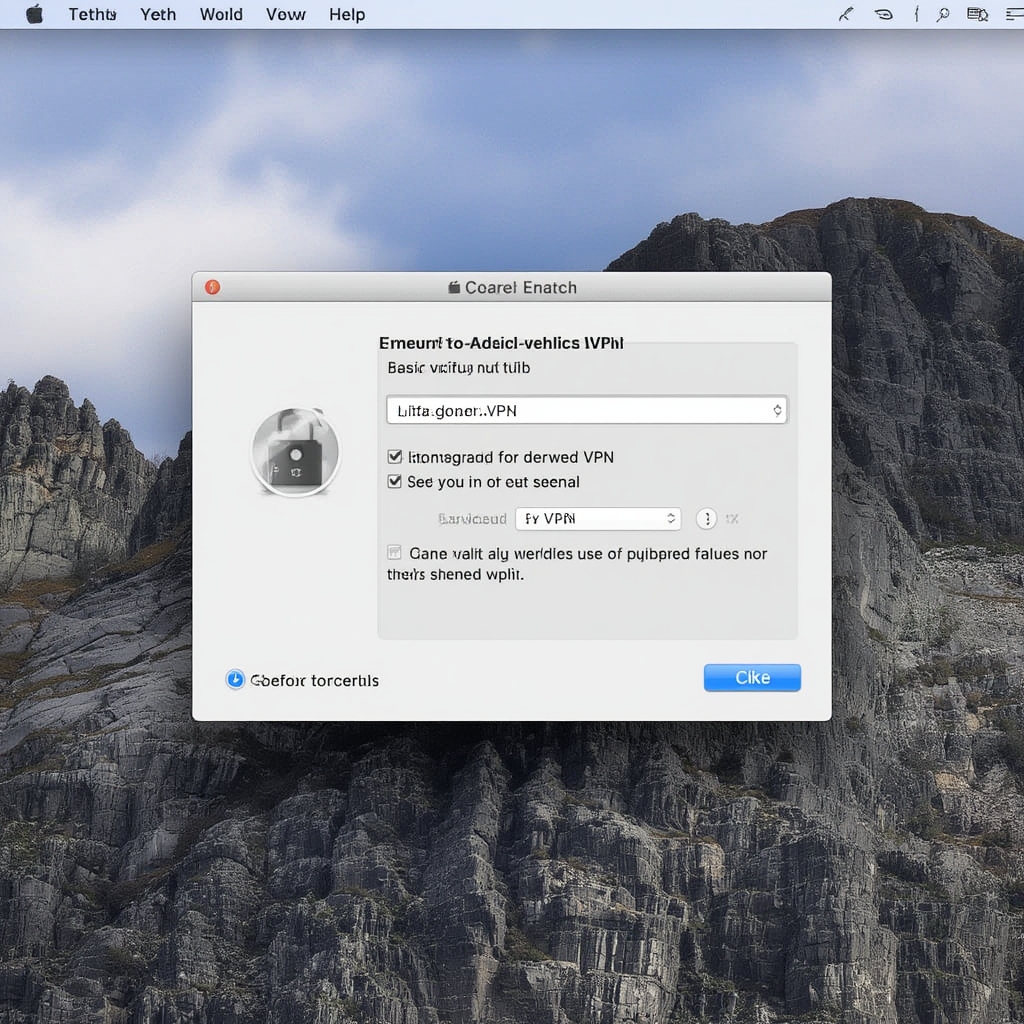
macOS includes native VPN protocols that can be configured without third‑party software. Open System Settings → Network → Add (+) → VPN, choose the protocol, and enter the server address and authentication details supplied by your VPN provider. This method works well for corporate environments that use IKEv2.
Opera VPN Setup
If you only need to secure web traffic, the opera vpn setup provides a lightweight, free solution. Simply enable the built‑in VPN toggle in Opera’s settings and select a virtual location. Remember, this does not protect non‑browser applications.
Self‑Hosted VPN Server
Advanced users may opt to host their own VPN server on a cloud instance or a home Raspberry Pi. Follow the guide on How to Build VPN Server to set up an OpenVPN or WireGuard server, then connect your Mac using the imported configuration file. This approach offers maximum control over encryption keys and server locations.
Browser Extensions and Proxy Services
Extensions like HTTPS Everywhere, uBlock Origin, and privacy‑focused proxies can add layers of protection but lack the comprehensive routing that a full VPN provides. They are best used in conjunction with a VPN rather than as a replacement.
Conclusion
Understanding how to enable vpn on mac is essential for anyone who values online privacy, needs to bypass geo‑restrictions, or works remotely across international borders. By following the step‑by‑step instructions above, you’ll establish a secure tunnel, verify its integrity, and fine‑tune performance for your specific GEO context.
If you prefer a more lightweight option, the opera vpn setup offers a quick way to protect browser traffic without installing additional software. However, for full‑system security—especially when handling sensitive corporate data or accessing university resources—the dedicated VPN client remains the gold standard.
Remember to regularly test your connection, keep macOS and your VPN app up to date, and consider alternative methods like built‑in macOS VPN or a self‑hosted solution if you have unique requirements. With these best practices, you’ll stay protected whether you’re streaming from Tokyo, conducting research from Chicago, or simply browsing from a coffee shop in Barcelona.
Ready to get started? Dive into the detailed steps, apply the tips, and enjoy a safe, unrestricted internet experience on your Mac today.
“`



