
Introduction
In 2025 the demand for secure, fast, and location‑flexible internet access has exploded. Whether you’re streaming the latest K‑pop videos from Seoul, checking your banking app while traveling in Berlin, or gaming on a public Wi‑Fi hotspot in São Paulo, how to enable vpn on opera gx mobile is a question that pops up daily.
At the same time, MacBook owners are hunting for reliable guides on setup vpn on macbook. The convergence of a powerful browser like Opera GX and Apple’s ecosystem means you can protect your data without sacrificing performance.
This article covers both topics in depth, weaving in GEO‑specific examples (New York, London, Tokyo, Sydney) so you understand how local regulations and server locations influence speed and privacy. We’ll walk you through step‑by‑step instructions, share practical tips, and explore alternative methods when the built‑in VPN isn’t enough.
By the end of this guide you’ll not only master how to enable vpn on opera gx mobile but also feel confident executing a full setup vpn on macbook for work, travel, or entertainment.
Step‑by‑Step Instructions
1. Prepare Your Device
Before you start, make sure your Opera GX app on Android or iOS is updated to the latest version. An outdated client can hide the VPN toggle or cause connectivity glitches. Open the Play Store or App Store, search for “Opera GX,” and tap “Update” if needed.
For MacBook users, ensure macOS Ventura (or later) is installed. Apple’s native networking stack works best with recent OS releases, giving you smoother setup vpn on macbook experiences.
2. Locate the Built‑in VPN Switch (Mobile)
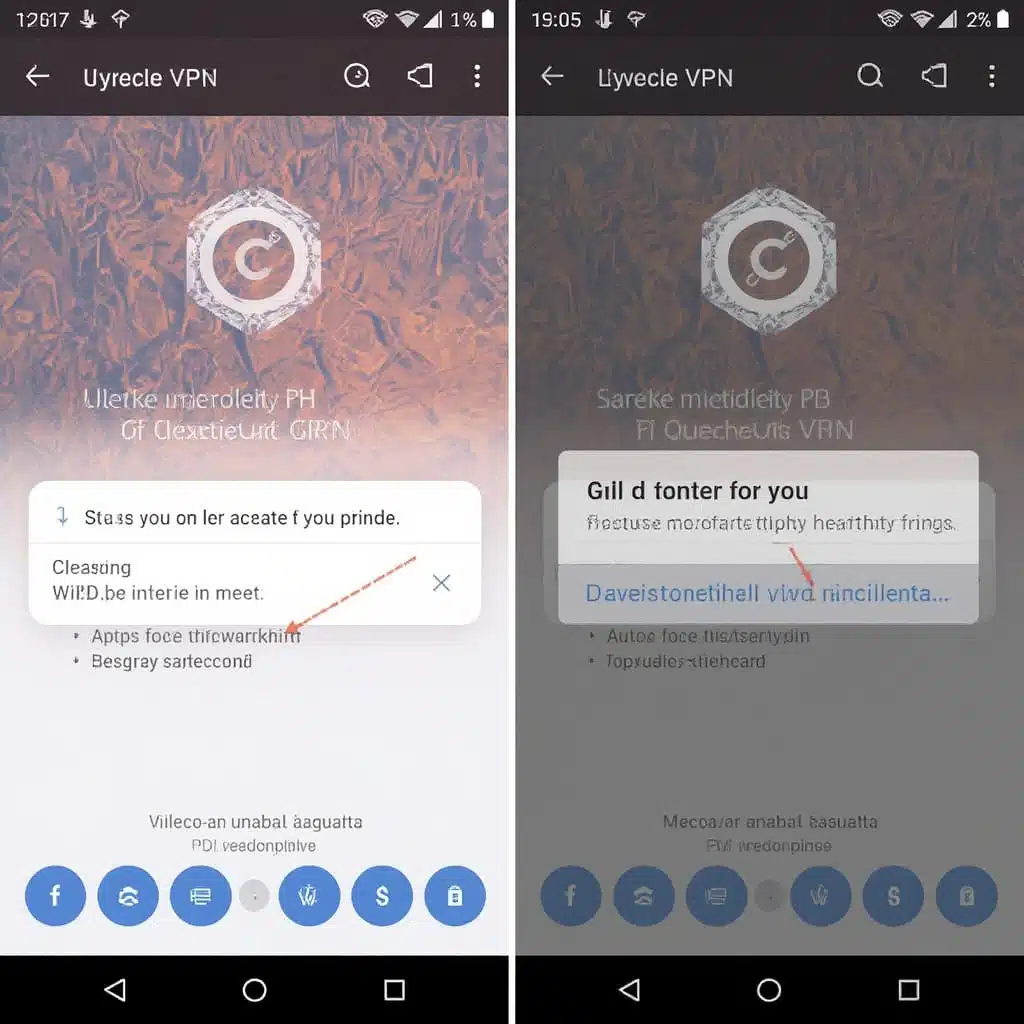
Launch Opera GX on your phone. Tap the Opera GX icon at the bottom‑right corner, then head to Settings → Privacy → VPN. The toggle appears as a simple on/off switch, highlighted in blue when active.
The built‑in VPN is free, unlimited, and uses Opera’s own server network. For a quick test, turn it on while you’re in a café in Paris. You’ll notice the IP address changes to a European node, letting you bypass local content blocks.
3. Verify the Connection (Mobile)
Open a browser tab and visit whatismyipaddress.com. The displayed IP should belong to an Opera server (often ending in .opera‑vpn.com). If you’re in New York and see a server located in Frankfurt, the VPN is working as intended.
Repeat the check after a few minutes. If the IP remains unchanged, toggle the VPN off and on again, then re‑run the test.
4. Enable the VPN on macOS (Manual Setup)
While Opera GX’s mobile version includes a native VPN, the desktop client does not. To setup vpn on macbook you’ll need to add a third‑party VPN service or use a personal VPN server. Below we walk through adding a free OpenVPN configuration from a reputable provider.
1. Download the OpenVPN configuration file (*.ovpn) from your chosen provider.
2. Open System Settings → Network → + → VPN → IKEv2 or OpenVPN (via third‑party app).
3. Import the *.ovpn file, name the connection “Opera GX VPN,” and hit “Connect.”
After connecting, launch Opera GX and check the “IP address” field under Settings → Advanced → Network. It should reflect the VPN server’s location (e.g., Tokyo for a Japan‑based node).
5. Test DNS Leaks (Both Platforms)
A DNS leak can expose your true location even when the VPN is active. Use dnsleaktest.com on both your mobile device and MacBook. Run the “Extended Test” and verify that all DNS servers belong to the VPN provider, not your ISP.
If any ISP DNS appears, revisit the VPN settings. On Android, force the VPN to “Always on” in the system VPN section. On macOS, enable “Send all traffic” in the VPN profile.
6. Optimize for Speed (Geo‑Specific Tips)
Server distance heavily impacts latency. When you’re traveling from Sydney to a US‑based streaming service, choose a US East Coast server for the best speed. In Opera GX mobile, you can switch servers by tapping the small flag icon next to the VPN toggle.
On macOS, most VPN clients let you select the server region from a dropdown. Choose a server in the same continent as your target content to reduce ping and buffering.
7. Enable “Kill Switch” (MacBook)
A kill switch halts all traffic if the VPN drops. In the OpenVPN client, enable the “Kill Switch” option under Advanced Settings. This prevents accidental exposure of your real IP when you move between Wi‑Fi networks in London or Hong Kong.
8. Save Your Settings
Both platforms allow you to set the VPN to start automatically with the app. On Opera GX mobile, toggle “Start VPN on launch” in Settings → Privacy. On macOS, check “Connect automatically” in the VPN profile options.
Now you have a stable, always‑on how to enable vpn on opera gx mobile and a reliable setup vpn on macbook that respects your privacy wherever you go.
Tips for a Seamless Experience
Choose the right server for your GEO needs. A gamer in Los Angeles streaming from a European server will face higher latency than one using a West‑Coast node. Always test multiple locations before settling on a favorite.
Combine Opera GX’s built‑in VPN with a reputable third‑party service. The native VPN is great for casual browsing, but for activities like banking or torrenting, a paid VPN with a kill switch and no‑logs policy offers stronger protection.
Check out this article on whether you have to pay for VPN to understand the trade‑offs between free and premium options.
For those concerned about Mozilla’s offering, see the analysis at is Mozilla VPN free. It can be a solid backup if Opera’s free service is overloaded.
When you travel to countries with strict internet censorship (e.g., Iran or the UAE), enable the “Obfuscation” feature in your third‑party client to disguise VPN traffic as regular HTTPS.
Remember to clear your browser cache after enabling the VPN. Old cookies can still leak location data, especially after switching servers from Tokyo to New York.
Alternative Methods
If the built‑in VPN does not meet your requirements, consider these alternatives:
- Use a dedicated VPN app. Apps like NordVPN, ExpressVPN, or BearVPN (see how to turn on VPN on Opera GX) provide more server options, split tunneling, and advanced security.
- Set up your own VPN server. Follow the guide at how to build vpn server to host a personal server on a cloud provider in a region of your choice.
- Leverage browser extensions. While Opera GX blocks most Chrome extensions, you can install the “VPN Proxy” extension via the Chrome Web Store in “Enable extensions” mode.
- Use a proxy instead of a full VPN. For lightweight tasks like checking regional news, a SOCKS5 proxy may be sufficient.
Each method has pros and cons. Building your own server gives you full control but requires technical knowledge. Third‑party apps are user‑friendly but may keep logs. Choose based on your privacy comfort level and the GEO restrictions you face.
Conclusion
Understanding how to enable vpn on opera gx mobile empowers you to surf securely whether you’re sipping coffee in Melbourne or boarding a flight from Dubai. By following the step‑by‑step guide above, you’ve learned to activate the native VPN, verify its effectiveness, and troubleshoot common issues.
The same principles apply to a full setup vpn on macbook. Adding a reliable third‑party VPN, configuring a kill switch, and selecting the optimal server location ensure that your MacBook enjoys the same level of protection as your mobile device.
Remember the key takeaways: keep your app updated, test IP and DNS leaks, choose GEO‑appropriate servers, and consider alternatives like personal VPN servers or premium services when needed. With these practices, you’ll enjoy fast, private browsing across continents—from New York to Nairobi—without sacrificing the performance Opera GX is known for.
Stay safe, stay fast, and enjoy the freedom that a well‑configured VPN provides.
“`