Introduction
When you first encounter the question how to put vpn on android, it’s often because you want to protect your data, bypass geo‑restrictions, or simply maintain privacy while surfing the web. The process can seem daunting, but with a clear step‑by‑step guide you can configure a VPN on Android quickly and safely.
Many users also ask how to install vpn on android device using a custom server or through their existing VPN service. This article walks you through the most common methods, from the official app installation to manual configuration, ensuring you’re comfortable with each option.
Whether you’re a novice or an experienced tech enthusiast, understanding the difference between using a dedicated VPN app versus the built‑in Android VPN client is essential. Do you need a VPN for IPTV? The answer depends on the service you use and the level of security you desire.
Throughout this guide, we’ll cover the fundamentals of VPN technology, the practical steps to how to put vpn on android, and the best practices to keep your connection stable and secure. By the end, you’ll know how to install vpn on android device with confidence, regardless of your network environment.
We’ll also touch on region‑specific considerations—such as EU GDPR compliance, US CCPA, or local ISP restrictions—so you can choose the right VPN provider for your geographical location.
Step‑by‑Step Instructions
1. Choose a Reliable VPN Provider
Start by selecting a reputable VPN service that offers Android apps. Look for providers with strong encryption, a no‑log policy, and servers in the countries you need. Some providers also offer special features like split tunneling or a kill‑switch for added safety.
2. Download and Install the Official App
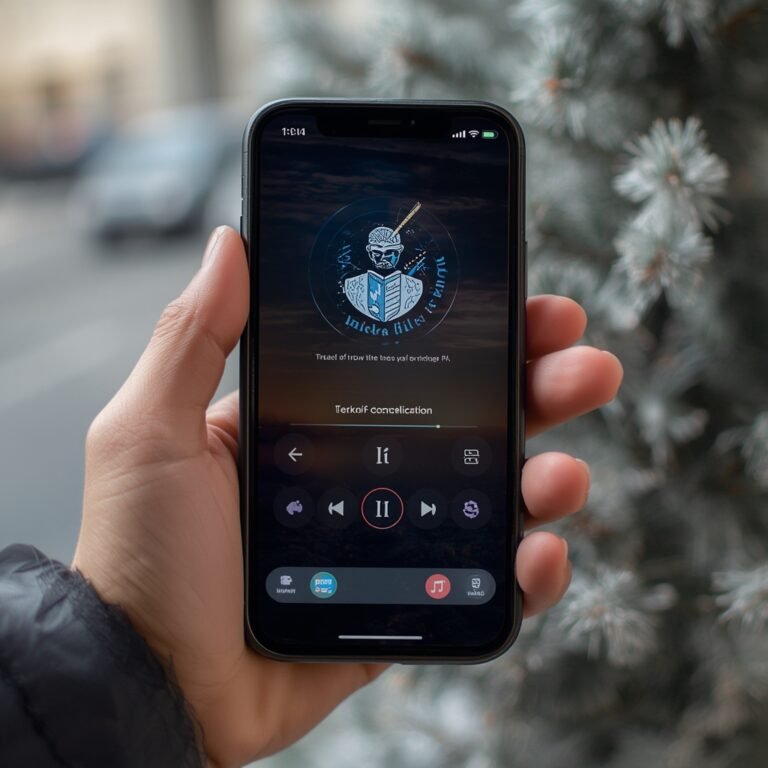
Open the Google Play Store or visit your VPN’s website to download the official Android app. After installation, open the app and sign in with your credentials.
If you’re how to put vpn on android, the app usually provides a quick‑connect button that selects the fastest server automatically. You can also manually choose a server based on location or speed.
Once logged in, most apps offer an easy toggle to connect or disconnect. This is the simplest way to install vpn on android device if you prefer a graphical interface.
3. Configure Advanced Settings (Optional)
Most apps have advanced options. Enable the kill‑switch to prevent your data from leaking if the VPN disconnects unexpectedly. You can also activate split tunneling to route only selected apps through the VPN.
For users who want fine‑grained control, you can use the VPN’s “OpenVPN” or “WireGuard” configuration files. These files let you set up a custom profile in Android’s native VPN settings.
4. Set Up a Manual VPN Profile
Open Settings → Network & internet → VPN. Tap “Add VPN” and choose the type (OpenVPN or WireGuard). Enter the details provided by your VPN service.
Fill in the server address, your username and password, and any certificate or key files. Once saved, tap the name of the VPN you just created to connect.
Using this method is handy if you’re how to put vpn on android in an environment where app downloads are restricted or when you want to avoid third‑party applications.
5. Test Your Connection
After connecting, visit whatismyip.com to confirm your IP address matches the VPN server. Also test a streaming service or geo‑restricted site to ensure the VPN is working.
If you’re still seeing your real location, double‑check that the kill‑switch is active and that the VPN connection is stable. If problems persist, consider reaching out to your provider’s support or consult community resources like this Spiceworks thread.
Now that you know how to install vpn on android device through either the official app or a manual profile, you’re ready to dive deeper into optimization and advanced usage.
Tips
Keep your Android OS and VPN apps up to date to benefit from security patches and improved performance.
Enable “Always On VPN” in Settings → Network & internet → VPN. This forces all traffic through the VPN whenever it’s available, adding an extra layer of privacy.
If you experience slow speeds, try switching to a different protocol—such as WireGuard, which is often faster and more efficient than OpenVPN.
For mobile data users, use the VPN’s data‑saving mode to reduce bandwidth consumption without compromising security.
Consider installing this guide on how to use VPN on Smart TV if you want to extend your VPN protection to other devices in your home.
Alternative Methods
Some Android users prefer using a local proxy or a self‑hosted VPN solution like WireGuard or OpenVPN on a Raspberry Pi. Setting up a VPN server in your home gives you full control over your traffic and can be more cost‑effective in the long run.
Another option is to use a browser‑based VPN extension if you only need protection while browsing. However, this does not cover all apps or background traffic.
For advanced users, creating a custom VPN profile using Android’s native VPN Service API allows you to automate connection logic, such as connecting only on specific Wi‑Fi networks.
Check out this AirVPN forum post for community‑approved instructions on connecting to an Android device via VPN.
You can also integrate your VPN with smart home devices that support Android apps, ensuring that your entire ecosystem stays protected.
For users concerned about corporate policies, adding a Webroot VPN to a Webroot account provides an enterprise‑grade solution with additional security layers.
Conclusion
In summary, the process of how to put vpn on android involves choosing a trusted provider, installing the official app or creating a manual profile, and configuring your settings to match your needs. By following the steps above, you can seamlessly install vpn on android device and enjoy a safer, more private mobile experience.
Remember to keep your apps and system updated, enable the kill‑switch and always‑on VPN features, and test your connection regularly. If you run into any issues, consult the support resources from your VPN provider or explore community forums for additional tips.
Finally, whether you’re protecting your personal data, streaming geo‑restricted content, or working from a public Wi‑Fi network, a well‑configured VPN on Android gives you the freedom to browse without limits. Embrace the privacy you deserve by mastering the art of how to put vpn on android and install vpn on android device today.