Introduction
In 2025, mobile privacy is no longer a luxury – it’s a necessity. Whether you’re streaming Netflix in New York, browsing public Wi‑Fi at a café in London, or conducting business calls from a co‑working space in Sydney, you need a reliable way to protect your data. This article explains how to setup vpn in android and how to configure vpn on android in plain language.
We’ll walk you through every click, every setting, and every tip you’ll need to keep your connection encrypted. You’ll also discover why a VPN matters by reading what is the use of a VPN – a quick primer on privacy, geo‑unblocking, and bandwidth protection.
Our guide is built for beginners and seasoned users alike. By the end you’ll know exactly how to setup vpn in android, how to configure vpn on android, and which services deliver the fastest speeds for gaming, streaming, and work‑from‑home scenarios.
We’ve also sprinkled GEO‑specific examples throughout the guide: a traveler in Tokyo, a remote employee in Toronto, and a gamer in Berlin. These real‑world contexts help you see the practical impact of a well‑configured Android VPN.
Step‑by‑Step Instructions
Step 1: Pick a Trusted VPN Provider
The first decision is selecting a provider that offers strong encryption, a no‑logs policy, and servers in the regions you care about. For instance, a user in Paris might choose a server in Frankfurt to access EU‑based streaming libraries. While we won’t name a specific brand, you can compare options on how to setup VPN for Android and see which one fits your budget.
Make sure the provider supports the latest protocols (WireGuard, OpenVPN, IKEv2) and offers a dedicated Android app. This ensures you can quickly follow the steps on how to setup vpn in android without hunting for third‑party clients.
Step 2: Install the Official Android App
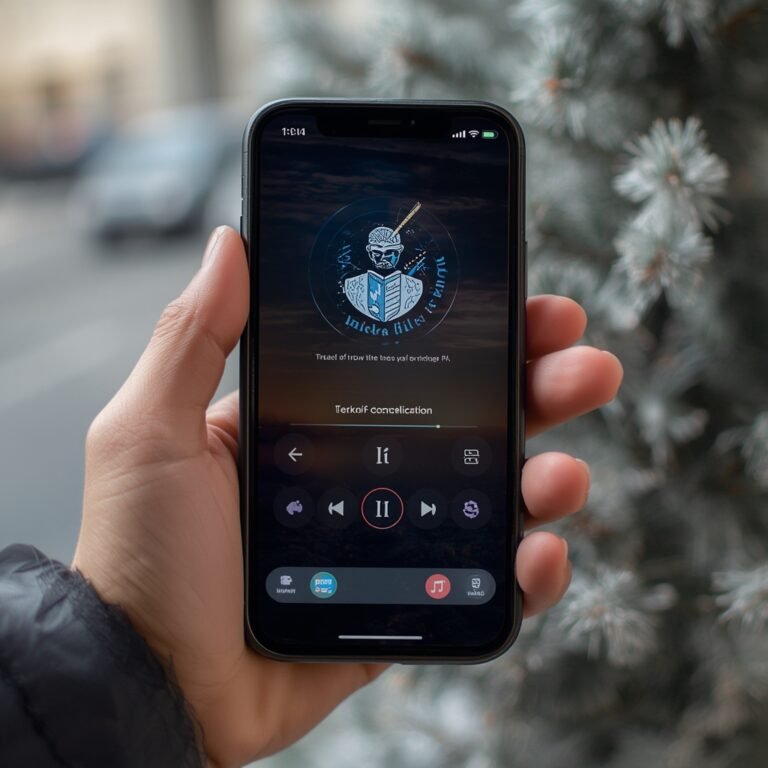
Head to the Google Play Store, search for your chosen VPN, and tap “Install.” After installation, open the app and sign in with your credentials. The onboarding screen usually offers a quick “Connect” button; however, for full control you’ll want to configure vpn on android manually.
During the first launch, the app may request permission to create a VPN connection. Accept the prompt – Android treats VPNs as a system‑level service, so this permission is mandatory for how to setup vpn in android.
Step 3: Choose a Server Location
From the app’s server list, select a location that matches your needs. If you’re in Los Angeles and want to watch UK Netflix, pick a London or Manchester server. For gamers in Berlin targeting low latency, choose a nearby server with “Gaming Optimized” tags.
Choosing the right server is a core part of how to setup vpn in android because it directly influences speed, latency, and geo‑restriction bypass.
Step 4: Configure Advanced Settings (Optional)
Most apps let you toggle “Kill Switch,” “Split Tunneling,” and “DNS Leak Protection.” Enable the Kill Switch to block all traffic if the VPN disconnects unexpectedly – a critical safety net when you’re on public Wi‑Fi in a downtown Chicago café.
For users who need only specific apps to go through the VPN (e.g., banking apps), enable Split Tunneling. This step illustrates the deeper level of how to configure vpn on android beyond the basic connect button.
Step 5: Verify Your Connection
After you hit “Connect,” verify the VPN is active. Open a browser and visit security.org’s Android VPN test page – it will display your public IP and location. If the IP matches the server you selected, you’ve successfully completed how to setup vpn in android.
For extra confidence, run a DNS leak test (search “DNS leak test”) and confirm no requests are leaking to your ISP. This final check ensures you have correctly configured vpn on android.
Step 6: Set Up Automatic Reconnect (Optional)
In the app’s settings, turn on “Auto‑Connect” for trusted networks (home Wi‑Fi, mobile data). This guarantees that every time you open your device, the VPN starts without manual intervention – essential for users who travel frequently between Dubai and Melbourne.
By automating the process, you reinforce the habit of staying protected, making the routine of how to setup vpn in android a seamless part of daily life.
Tips for Optimal Performance
1. Choose the Right Protocol. WireGuard typically offers the best speed‑to‑security ratio on Android 12+, while OpenVPN provides broader compatibility with older devices.
2. Use a Wired Connection When Possible. If you’re on a laptop tethered to your Android phone, a USB‑RNDIS connection can reduce latency for gaming in Seoul or streaming in Amsterdam.
3. Keep the App Updated. VPN developers frequently release patches to address new threats and improve server performance. Regular updates keep your configure vpn on android steps current.
4. Test Multiple Servers. Speed can vary based on time of day. Use the built‑in speed test feature to find the fastest server for how to setup vpn in android, especially if you’re gaming on a server in Warsaw while residing in Vienna.
5. Avoid Free VPNs for Sensitive Work. Free services often log data and inject ads, undermining the purpose of a VPN. Investing in a reputable paid service ensures reliable encryption for both personal and professional use.
For a deeper dive into gaming‑specific performance, read what is the best VPN for gaming. It outlines latency benchmarks and server recommendations for major titles.
Alternative Methods
Manual L2TP/IPsec Configuration
If you prefer not to use a third‑party app, Android lets you create a VPN profile manually. Go to Settings → Network & Internet → Advanced → VPN, tap the “+” button, and select “L2TP/IPsec PSK.” Enter the server address, pre‑shared key, and your credentials. This method shows a different angle of how to configure vpn on android without an app.
While manual setups give you full control, they lack the convenience of automatic server switching and may not support newer protocols like WireGuard.
Using OpenVPN Connect
OpenVPN Connect is the official client for the OpenVPN protocol. Download it from the Play Store, import a *.ovpn configuration file from your VPN provider, and connect. This approach is popular among tech‑savvy users who need custom routing rules.
Because OpenVPN files often include DNS settings, you’ll automatically benefit from configure vpn on android without additional tweaks.
Deploying a Personal VPN Server
Advanced users can set up a personal VPN on a home router (e.g., AsusWRT, OpenWrt) or a cloud VM. Once the server is live, import the connection profile into your Android device. This method provides ultimate privacy control, especially for expatriates living in Buenos Aires who need to access corporate resources back in Mexico City.
Read community advice on this topic at Reddit’s HomeNetworking thread. Users share scripts and step‑by‑step guides for building a DIY Android‑compatible VPN.
Conclusion
Setting up a secure connection on your mobile device is now easier than ever. By following the detailed steps above, you have learned how to setup vpn in android and how to configure vpn on android for everyday use, travel, and gaming.
The guide covered provider selection, app installation, server choice, advanced settings, verification, and automation. Remember, the right protocol, a reliable kill‑switch, and regular updates are the pillars of a robust Android VPN experience.
Whether you’re streaming from Tokyo, conducting video calls in Zurich, or battling in an online arena from Bangkok, a properly configured VPN keeps your data safe and your geo‑restrictions at bay. For more background on VPN fundamentals, explore what is the use of a VPN and for device‑specific recommendations, check out what is the best VPN for Mac.
Now that you’ve mastered how to setup vpn in android and how to configure vpn on android, you can travel, work, and play with confidence, knowing your digital footprint is encrypted and your online freedom preserved.
“`