Introduction
When you travel from New York to Berlin or stream content from Tokyo while sitting in Sydney, a reliable how to setup vpn on android strategy becomes essential. Not only does it protect your data on public Wi‑Fi, it also lets you bypass regional blocks and enjoy a seamless internet experience worldwide.
In this guide we will repeat the focus phrase how to setup vpn on android several times to reinforce the core topic, and we will also explore the related phrase configure vpn on android device in depth. Whether you are a student in a US campus, a remote worker in the EU, or a traveler in Southeast Asia, the steps below work on any Android version from 8.0 (Oreo) to 13 (Tiramisu).
Before diving into the technical details, ask yourself: do you really need a VPN? The short answer is often yes, especially when you handle sensitive information or want to access geo‑restricted services. For a quick overview, see Do I Need a VPN?. This article will answer the “how” and the “why” of setting up a VPN on Android, giving you a solid foundation to stay safe online.
Step‑By‑Step Instructions
1. Choose a Trusted VPN Provider
The first decision in any how to setup vpn on android guide is picking a reputable service. Look for providers with a strict no‑logs policy, strong encryption (AES‑256), and a wide server network covering North America, Europe, and Asia. Popular choices include NordVPN, ExpressVPN, and local providers that comply with GDPR.
After selecting a provider, sign up for a plan that matches your usage. Most services offer a 30‑day money‑back guarantee, so you can test the connection before committing.
2. Download the Official VPN App
Open the Google Play Store, search for the provider’s official app, and install it. Avoid third‑party clients because they may contain unwanted permissions or outdated protocols.
Once installed, launch the app and sign in with the credentials you created during registration. This is the foundation of any configure vpn on android device process.
3. Grant Required Permissions
Android will ask for permission to create a VPN connection. Tap Allow – this permission is mandatory for any how to setup vpn on android tutorial because the operating system needs to route traffic through the VPN tunnel.
If you see a warning about “VPN always on,” you can enable it later in Settings > Network & internet > VPN > your VPN name > Always-on VPN. This ensures the VPN stays active even after a reboot.
4. Choose a Server Location
Most apps display a world map or a list of countries. Select a server close to your physical location for the best speed, unless you need a specific GEO location. For example, a user in Los Angeles may choose a US‑West server, while a traveler in Paris might pick a France‑Paris node to access local streaming services.
Remember, the phrase configure vpn on android device also involves picking the right protocol. OpenVPN UDP is fast, while WireGuard offers a blend of speed and modern security.
5. Connect and Verify the Tunnel
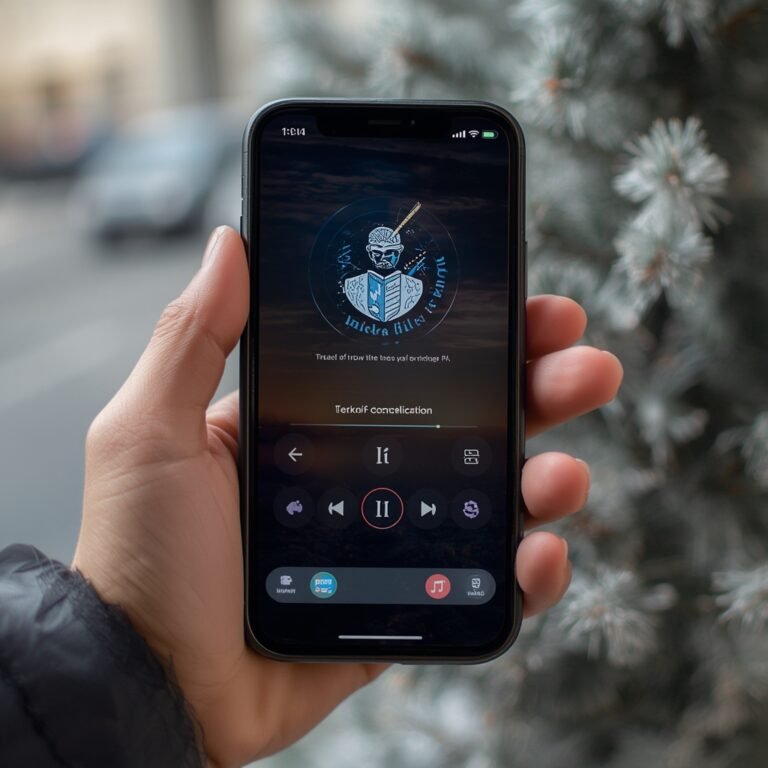
Tap the “Connect” button. The app will negotiate a secure handshake and display a green status indicator once the tunnel is active.
To verify, open a browser and visit https://www.whatismyip.com/. Your IP should now reflect the VPN server’s location, confirming that you have successfully completed the how to setup vpn on android process.
6. Enable Advanced Options (Optional)
Many VPN apps let you enable a kill‑switch, split tunneling, and DNS leak protection. Turn on the kill‑switch to block internet traffic if the VPN drops unexpectedly – a critical feature for privacy‑focused users.
Split tunneling allows you to route only selected apps (e.g., Netflix) through the VPN while keeping other traffic (e.g., banking apps) on the native network. This fine‑tuning is part of a thorough configure vpn on android device approach.
7. Test on Different Networks
Connect to a public Wi‑Fi hotspot, a corporate LAN, and a cellular 4G/5G network. Each environment may behave differently, but a well‑configured VPN should maintain a stable connection and keep your data encrypted.
If you experience drops, revisit the “Always‑on VPN” setting or contact your provider’s support. Detailed troubleshooting steps can be found on Does Google Have a VPN? for Android‑specific quirks.
8. Save Your Settings
Most apps automatically remember your last server and protocol. However, you can create a custom profile for quick access. Name it “Work‑EU” or “Travel‑Asia” to instantly apply the correct settings when you move between continents.
Saving profiles is a practical way to streamline future how to setup vpn on android sessions, especially for frequent travelers.
Tips for a Smooth VPN Experience
Tip 1 – Use WireGuard Where Available: WireGuard is lightweight and offers better battery performance on Android devices. It’s especially useful for users in regions with limited bandwidth, such as rural India or remote parts of Canada.
Tip 2 – Update Your Android OS: Security patches improve VPN compatibility. Android 12 introduced enhanced privacy dashboards that let you see which apps are using the VPN.
Tip 3 – Combine with a DNS‑Based Blocker: Services like Cloudflare 1.1.1.1 can be set in the VPN app to prevent DNS leaks. This complements the configure vpn on android device process and strengthens privacy.
Tip 4 – Monitor Data Usage: Some mobile carriers throttle VPN traffic. Use Android’s built‑in data‑usage monitor or the VPN app’s traffic stats to avoid unexpected charges.
Tip 5 – Check Local Regulations: In certain countries (e.g., United Arab Emirates, China), VPN use is regulated. Research local laws before connecting, especially if you are using a VPN for business travel.
Alternative Methods
If you prefer not to rely on a third‑party app, Android supports manual VPN configuration using built‑in settings. This is a classic way to configure vpn on android device without installing extra software.
Manual L2TP/IPSec Configuration
- Open Settings > Network & internet > VPN > Add VPN.
- Select L2TP/IPSec PSK as the protocol.
- Enter the server address, pre‑shared key, username, and password supplied by your VPN provider.
- Save and tap the profile to connect.
While this method works, it lacks the convenience of auto‑updates and kill‑switch features found in dedicated apps.
Using Android’s Built‑In “Always‑On VPN” Feature
Navigate to Settings > Network & internet > VPN, select your VPN profile, and enable Always‑on VPN. This forces all traffic through the tunnel, even after a reboot, which is ideal for corporate environments that require strict compliance.
Deploying a Personal VPN Server
Tech‑savvy users can set up their own OpenVPN or WireGuard server at home or on a cloud VM. This gives you full control over encryption keys and eliminates reliance on commercial services. For a step‑by‑step guide on creating a personal VPN, see the Reddit discussion How to create VPN on my Android phone?.
Chromebook Considerations
Students using school Chromebooks can also benefit from a VPN. While ChromeOS has its own settings, Android apps can run in Linux mode. Learn more about getting a VPN on a school Chromebook at How to Get VPN on School Chromebook.
Conclusion
Mastering how to setup vpn on android empowers you to protect privacy, bypass geo‑restrictions, and maintain a consistent online experience across the globe. By following the step‑by‑step instructions, using the tips provided, and exploring alternative methods, you can confidently configure vpn on android device for any scenario—from streaming in Europe to securing corporate data in Asia.
Remember to revisit the provider’s app for updates, enable advanced features like kill‑switch and split tunneling, and test your connection on multiple networks. With these practices, the VPN becomes a reliable part of your digital toolkit, no matter where you are.
For further reading, explore related topics such as Is GRE Count as VPN? or the broader question of VPN availability on Android platforms at NordVPN Blog – VPN on Android. Stay safe, stay connected, and enjoy the freedom that a well‑configured VPN provides.
“`