
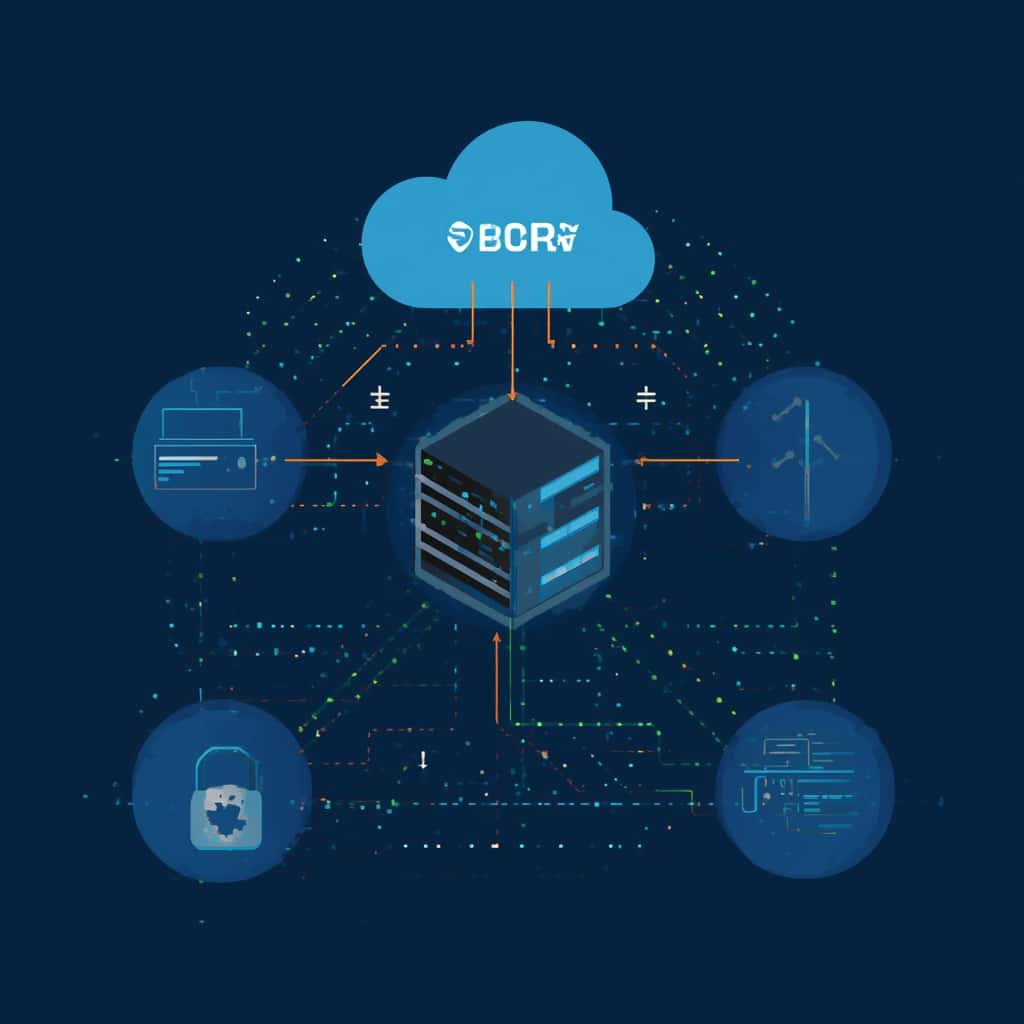

Introduction
Welcome to your how to setup vpn to my home network guide. Understanding the basics of a virtual private network is the first step toward securing all devices that connect to the internet.
Whether you’re a remote worker, a gamer, or simply protecting sensitive data, the how to setup vpn to my home network can seem daunting. This article breaks the process down into clear, manageable steps.
In the world of cybersecurity, the term “home vpn setup guide” has become essential vocabulary for anyone wanting to create a private, encrypted tunnel for home devices.
Our goal is to walk you through a full how to setup vpn to my home network, covering both the technical side and practical considerations. We’ll also touch on the reasons why a home vpn setup guide is valuable for families, small businesses, and hobbyists alike.
This guide is designed for readers in North America, Europe, Australia, and parts of Asia. Local network equipment may vary, so keep your device manuals handy. We’ll reference common routers, such as the ASUS RT‑AX86U or Netgear Nighthawk series, but the concepts apply to most models.
By the end, you’ll know exactly how to how to setup vpn to my home network for both wired and wireless devices, and you’ll have a solid foundation for troubleshooting.
Let’s begin the journey to a safer digital home environment. The first step is to understand what a VPN does and how it differs from other security tools.
To explore the fundamentals, check out this overview of VPN technology: What is a Virtual Private Network?.
Remember, the home vpn setup guide you’re following is a living document. Network topologies change, firmware updates roll out, and new protocols emerge. Stay updated with the latest best practices.
Now that you’ve seen the big picture, let’s dive into the hands‑on part of the guide. Follow each step carefully to ensure a reliable and secure VPN connection.
Step‑by‑Step Instructions
1. Choose Your VPN Protocol
Most routers support OpenVPN and WireGuard, with WireGuard offering faster speeds and lower overhead. If you prefer a more straightforward setup, OpenVPN is widely supported.
When you’re researching, read up on the latest Cloudflare learning resources for protocol comparisons. The article on “Understanding VPN Protocols” provides useful context.
Once you decide, note the protocol name for the next configuration step. This will help you identify the correct settings during setup.
2. Access Your Router’s Admin Page
Open a web browser and enter the router’s IP address—commonly 192.168.1.1 or 192.168.0.1. Use the default credentials unless you’ve changed them.
When you’re logged in, look for a “VPN” or “Advanced” tab. In most firmware, it’s under “Settings” or “Network.” Click on it to proceed.
Take a screenshot of the current settings; it’ll help you revert if something goes wrong during the setup.
3. Enable VPN Server
In the VPN section, toggle the switch to “Enable VPN Server.” Choose your chosen protocol—WireGuard or OpenVPN.
For OpenVPN, you’ll need to import the server configuration file. If the router provides a template, download it and adjust the remote directive to your public IP or dynamic DNS hostname.
For WireGuard, create a new tunnel, generate keys, and set the listening port. The router’s guide will usually show you a default port like 51820.
4. Generate Client Credentials
Each device will require a client profile. On the router, click “Generate Client” and download the configuration file.
For OpenVPN, the file will have a .ovpn extension. For WireGuard, you’ll get a .conf file. Keep these secure; they contain sensitive keys.
Store the configuration files in a safe location, preferably encrypted. A USB drive or a cloud storage service with end‑to‑end encryption is recommended.
5. Install VPN Software on Your Devices
For Windows or macOS, download the official client from the VPN provider’s website. Open the configuration file and follow the prompts to add a new profile.
For iOS devices, you can use the built‑in VPN settings. Tap “Add VPN” and paste the configuration file details manually.
On Android, download the OpenVPN or WireGuard app from the Play Store. Import the .ovpn or .conf file and enable the profile.
6. Connect and Test
Activate the VPN profile on your device. Once connected, verify your IP address by visiting a site like IPLocation to confirm the VPN is routing traffic.
Test latency by pinging a known host or streaming a video to ensure the connection is stable.
If you experience connectivity issues, revisit the router settings and double‑check firewall rules. Most problems stem from port conflicts or misconfigured routes.
7. Secure Remote Access (Optional)
For users who need to access home resources remotely, enable the router’s “Remote Management” feature.
Configure a VPN-only management interface to limit exposure. This ensures that only authenticated VPN users can reach the router’s admin panel.
Apply a strong, unique password for the router admin account and consider two‑factor authentication if available.
8. Monitor and Maintain
Regularly review logs for suspicious activity. Most routers provide log files for VPN connections.
Update firmware and client software to patch security vulnerabilities. Keep the protocol and key pairs up to date.
Use the Electronic Frontier Foundation resources for the latest privacy and security news.
Tips for a Robust VPN
Use a dynamic DNS service if your ISP’s IP changes frequently. Services like No-IP or DuckDNS keep your hostname pointing to the latest IP.
Disable IPv6 on the VPN tunnel if your router doesn’t fully support it. Some leaks can occur if IPv6 traffic bypasses the tunnel.
Enable DNS leak protection within the VPN client settings. This prevents your DNS queries from revealing your actual location.
Set up split tunneling for bandwidth‑heavy applications like video streaming. This allows you to use the VPN for sensitive traffic while keeping high‑speed access for others.
Consider using a dedicated VPN device, such as a Raspberry Pi, for lower power consumption and higher reliability than a home router.
Keep a backup of the router’s configuration. Export the settings to a file and store it securely in case of hardware failure.
Use strong, unique passwords for all devices. Avoid the default admin passwords that come with routers.
Enable WPA3 on your wireless network if supported. This adds an extra layer of security for devices connecting directly to the router.
Schedule automatic VPN reconnection on startup. Some routers support a “reconnect on reboot” setting that ensures your VPN starts after power loss.
For mobile devices, use “Always On” VPN if available to maintain protection when switching networks.
Consider a VPN with a no‑log policy for privacy. Research the provider’s transparency reports before committing.
Alternative Methods
If your router lacks VPN server capabilities, you can install a VPN server on a dedicated computer or NAS device. Open source solutions like PiVPN on a Raspberry Pi are popular.
Use a commercial VPN service that offers a “personal hotspot” feature. This allows you to share a secure connection across multiple devices without manual configuration.
Some mesh networking systems, such as Netgear Orbi, provide built‑in VPN support. Check the firmware version and feature list before purchasing.
For advanced users, setting up a dedicated VPN appliance (e.g., a pfSense box) gives full control over routing, firewall, and VPN configurations.
Consider using a firewall appliance like Ubiquiti EdgeRouter with integrated VPN support. It can manage complex network topologies efficiently.
Use a cloud‑based VPN service that offers a “connect all devices” feature. This simplifies configuration for households with many devices.
If you need to provide VPN access to visitors, create separate VPN profiles with limited access. This ensures they cannot see the full network.
Use a VPN concentrator to scale up if you manage a small office or coworking space. This device can handle many simultaneous connections.
For developers, a Dockerized VPN server can be deployed quickly and updated with minimal downtime.
When choosing alternatives, always evaluate the trust model and the provider’s commitment to user privacy.
Conclusion
By now, you should have a solid understanding of how to how to setup vpn to my home network. You’ve learned the key steps, from selecting a protocol to installing client software.
Remember, a proper home vpn setup guide is essential for safeguarding data and ensuring reliable remote access. Follow these steps, maintain security hygiene, and keep your firmware updated.
As a final reminder, always test your VPN after configuration and monitor it regularly. A small lapse can expose your network to risks.
If you encounter any difficulties, refer back to the troubleshooting sections in your router’s manual, or consult online communities such as EFF for privacy best practices.
Now, you can enjoy a secure, private home network. Thank you for reading, and stay safe online.



