

Introduction
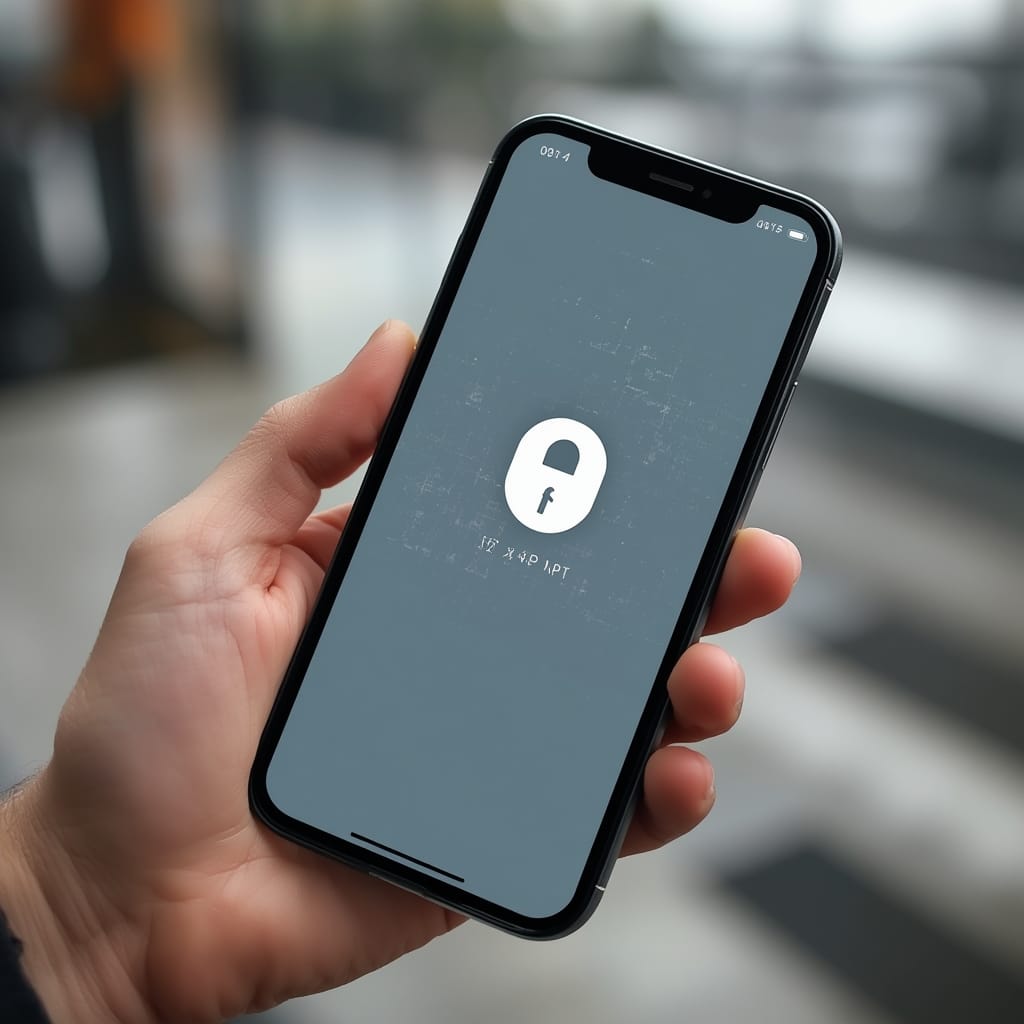
In today’s connected world, safeguarding personal data on an iPhone is essential. Whether you’re traveling, working remotely, or simply browsing, a VPN encrypts your traffic, protecting you from snoops, hackers, and unwanted geo‑restrictions. This guide walks you step‑by‑step through how to vpn on iphone for both novice and seasoned users.
Why should you consider a VPN on your iPhone? First, it shields your browsing from public Wi‑Fi hotspots—common in coffee shops, airports, and hotels. Second, it masks your IP address, letting you access region‑locked content such as streaming libraries that differ across the United States, Canada, UK, and Australia. Third, it adds a second layer of privacy, keeping your internet service provider and advertisers from tracking your online habits.
With so many VPN options, it can be overwhelming to choose the right one. Some providers offer free tiers, while others require a subscription. Many advertise speed, security, and the ability to bypass censorship in restrictive countries like Iran or China. By understanding the basics and following a proven setup, you’ll know exactly how to protect yourself.
Remember that not every VPN is created equal. While the term how to vpn on iphone often conjures simple app downloads, advanced users might prefer configuring VPN profiles manually or using enterprise tools. However, for most everyday users, a user‑friendly app is the fastest route.
Before you dive into the instructions, note that this tutorial is not a substitute for legal advice. Using a VPN to violate local laws or streaming terms of service can lead to account suspension or legal action. Always read the terms of service of both your VPN provider and any content platform you intend to access.
In this introduction, we’ll touch on the most common reasons to install a VPN, the general concept of encryption, and a brief overview of the steps you’ll follow to get your iPhone connected securely.
Whether you’re a casual user or a privacy enthusiast, understanding the core benefits will help you appreciate why you might prefer a VPN over a simple proxy or Tor browser. Once you grasp the fundamentals, you’ll be ready to tackle the practical aspects of setting up your VPN.
So, let’s break down the main reasons you’ll want a VPN on your iPhone:
- Security on public Wi‑Fi.
- Geo‑bypass for streaming and gaming.
- Privacy from ISPs and advertisers.
- Compliance with corporate or government requirements.
With these goals in mind, the next sections will show you exactly how to vpn on iphone and how to keep your connection stable and fast.
Step-by-Step Instructions
1. Choose a Reliable VPN Provider
Not all VPNs are created equal. Look for providers that offer strong encryption, a no‑log policy, and multiple server locations. Reputable companies such as ExpressVPN, NordVPN, or Surfshark usually have dedicated iOS apps that are straightforward to install. They also support OpenVPN and IKEv2 protocols, both known for performance.
When selecting a provider, consider your geographic location. If you’re based in the United States or Canada, you’ll want a server in a nearby country for low latency. Providers often publish a list of server locations to help you choose.
Most paid VPNs offer a 30‑day money‑back guarantee. Take advantage of this to test their speed, reliability, and ease of use before committing. A free trial also allows you to see if the VPN can bypass geo‑blocks for services such as Netflix, Hulu, or BBC iPlayer.
2. Download the VPN App from the App Store
Open the App Store on your iPhone, search for the provider’s official app, and tap “Get.” The installation process is quick; you may need to enter your Apple ID or use Face ID. Once installed, open the app.
Many VPN apps will prompt you to sign in or create an account. Use the credentials you received during the subscription process. If you haven’t signed up yet, you’ll need to do so on the provider’s website before you can log in on your phone.
After logging in, you’ll see a dashboard with a “Connect” button and a list of servers. Some apps automatically choose the best server for speed, while others let you pick manually.
3. Configure VPN Settings on iPhone
Navigate to Settings > General > VPN & Device Management. Tap “Add VPN Configuration.” Most providers will guide you through the setup by providing a QR code or a step‑by‑step wizard within the app.
For setup vpn on iphone, you’ll need to choose the VPN type (IKEv2, IPsec, or OpenVPN). The app usually defaults to the fastest protocol. Enter the server address, remote ID, and local ID, then add your username and password.
Once the configuration is added, toggle the VPN switch to “On.” You should see a VPN icon in the status bar, indicating an active encrypted connection. If you prefer automatic connections, enable “Connect On Demand” so the VPN starts whenever you access the internet.
4. Test the VPN Connection
Open Safari and visit a site like whatismyipaddress.com to confirm your IP has changed. The displayed IP should match the server location you selected. If it still shows your home IP, double‑check your VPN settings.
You can also test speed by visiting a speed test website. While VPNs can sometimes reduce maximum throughput, reputable providers maintain competitive speeds. If you experience lag, switch to a different server or protocol.
5. Configure App‑Level Restrictions (Optional)
In iOS 15 and later, you can set VPN rules for specific apps. Go to Settings > VPN & Device Management, select your VPN configuration, then tap “App Rules.” Enable “Allow All Apps” or choose “Specific Apps.” This feature is useful if you only want to route traffic for a streaming app.
6. Keep Your VPN Updated
Both iOS and VPN apps receive regular updates. Enable automatic updates in Settings > General > Software Update and App Store to ensure you always have the latest security patches. Updated protocols and cipher suites help protect against new vulnerabilities.
7. Disconnect and Re‑connect When Needed
To disconnect, open the VPN app and tap “Disconnect,” or toggle the VPN switch in Settings. Reconnecting is simple—just tap “Connect” again. If you’re switching between public Wi‑Fi and a private network, consider toggling the VPN on and off to save battery life.
8. Troubleshooting Common Issues
• Connection fails: Check your internet connection first. If you’re on a corporate or school network, they may block VPN traffic. In this case, try a different protocol or server.
• Slow speeds: Switch servers, change protocols, or use a wired connection if possible. Some networks throttle VPN traffic.
• App crash: Ensure you’re running the latest iOS version and that the VPN app is updated. Reinstalling the app can also resolve many glitches.
By following these steps, you’ll have a fully functional VPN on your iPhone. The next sections provide additional tips and alternative methods for advanced users or unique scenarios.
Tips
Optimize Performance for Streaming
When streaming on services like Netflix or YouTube, select servers in the same country as the content. This reduces buffering and improves resolution. Some VPNs provide “Streaming” modes that automatically switch to low‑latency servers.
Use Split Tunneling for Bandwidth Savings
Split tunneling allows you to route only specific traffic through the VPN. For example, you can stream from Netflix via VPN while using your mobile data for other apps. Most apps support this feature in the settings menu.
Enable Kill Switch for Extra Security
A kill switch terminates all internet traffic if the VPN drops unexpectedly. This prevents accidental data leaks. Most premium VPNs include this feature. Check your app’s security settings for a “Kill Switch” toggle.
Secure Your Account with Two‑Factor Authentication
Turn on two‑factor authentication (2FA) on your VPN account. This adds an extra layer of protection against account hijacking. Providers like ExpressVPN and NordVPN support 2FA via authenticator apps or email.
Keep Your Device’s Operating System Updated
iOS updates often include security patches that protect against new exploits. Enabling automatic updates in Settings > General > Software Update ensures your device remains secure.
Check Your DNS Leak Protection
Use a DNS leak test website to confirm your DNS requests are routed through the VPN. If leaks occur, enable DNS leak protection in your VPN app’s settings.
Use a Dedicated IP for Corporate Work
For business users, many VPNs offer a dedicated IP address. This can be useful for secure VPN‑based remote access to company resources without sharing a public IP.
Monitor Battery Usage
VPNs can slightly drain battery life, especially if running constantly. For longer trips, enable “Battery Saver” in iOS or disconnect the VPN when not needed.
Regularly Clear Browser Cache
Clear your browser’s cache to avoid caching of IP addresses. This is especially useful after switching VPN servers.
Leverage Apple’s Built‑in VPN Support
For advanced users, you can manually create VPN profiles that Apple supports. This allows you to use corporate VPNs or configure custom settings for specific apps.
Alternative Methods
Use Apple Configurator 2 for Enterprise Deployments
Apple’s Configurator 2 allows IT departments to push VPN configurations to multiple devices. This method is ideal for organizations that require uniform security policies. You can find a detailed guide on Apple’s official VPN Device Management Settings Overview.
Set Up a VPN on Your Home Router
Another approach is to install a VPN on your home router. This protects all devices, including your iPhone, without needing a dedicated app. Learn how to set up vpn on router and enjoy the benefits of a single, device‑agnostic connection.
Use a Browser‑Based VPN Extension
For limited usage, browser extensions like “TunnelBear” or “Windscribe” can offer VPN protection for Safari or Chrome on iPhone. These are less powerful than full‑stack VPNs but provide quick encryption for browsing.
Manual VPN Configuration Using OpenVPN Client
Advanced users can install the OpenVPN Connect app from the App Store. Then, manually import the configuration file (.ovpn) provided by your VPN provider. This method gives you granular control over protocols, encryption, and server selection.
Utilize Enterprise Mobile Management (EMM) Solutions
Large organizations often deploy EMM solutions such as VMware Workspace ONE or MobileIron. These platforms push VPN profiles, enforce kill switches, and audit device compliance automatically.
Leverage Network‑Based VPN Services
Services like McAfee’s VPN solution provide integrated security suites that include VPN functionality. These can be beneficial if you already use McAfee for endpoint protection.
Set Up a VPN on iCloud‑Shared Servers
Some advanced users host their own VPN on cloud servers (e.g., AWS or DigitalOcean). This offers full control over encryption keys and logs. Tutorials are available online, but it requires a solid understanding of networking and server administration.
Use a Dedicated Mobile VPN Hardware
Devices like the VPN router can act as a dedicated VPN gateway for mobile devices. This provides a hardware‑based solution that is often more stable than software.
Conclusion
Setting up a VPN on an iPhone is a practical way to safeguard privacy, access geo‑restricted content, and protect data over public networks. By following our how to vpn on iphone guide, you’ll have a reliable, secure connection in minutes.
Remember to keep your iOS and VPN app updated, monitor your connection for leaks, and use advanced features like kill switches or split tunneling as needed. For business users, consider enterprise deployment methods or dedicated IPs to meet compliance requirements.
With a properly configured VPN, you can browse, stream, and work confidently, knowing your data remains private and your identity protected. Whether you’re traveling between Canada and the UK or simply exploring new streaming libraries, the steps outlined here give you the tools to stay secure on the go.



