
Introduction
In today’s interconnected world, safeguarding your online activities has become essential. One popular tool that many people consider is is tunnelbear safe. This question is at the core of every potential user’s mind, especially when data breaches and government surveillance are increasingly common. TunnelBear, a VPN service known for its user-friendly design, offers a straightforward solution for protecting privacy and bypassing geo-restrictions. However, before diving into the features, it’s important to understand the service’s overall security posture and how it stacks up against the expectations of privacy‑conscious users.
Beyond basic encryption, a reputable VPN should also maintain a strict no‑logs policy, provide robust protocol options, and employ transparent security practices. By reviewing tunnelbear vpn security review, you can gauge whether the platform meets these criteria. In this guide, we’ll walk through a step‑by‑step setup, highlight practical tips for maximizing protection, and explore alternative methods if you’re looking for a different experience.
Additionally, we’ll touch on how the service performs in various regions—from the United States to Europe and Asia—providing real‑world examples of how a VPN can help users in different geographies maintain anonymity and access blocked content. By the end, you should have a clear picture of whether TunnelBear is a suitable choice for your security needs and how to use it effectively.
Step‑by‑Step Instructions
1. Creating an Account
Begin by visiting the TunnelBear website and signing up with a valid email address. The process is straightforward: simply click “Sign up,” provide your credentials, and confirm your email. During registration, you’ll be asked to choose between a free or premium plan. Remember to check if TunnelBear is free for the basic tier, which includes a limited data allowance, or opt for the paid version for unlimited usage.
2. Installing the App
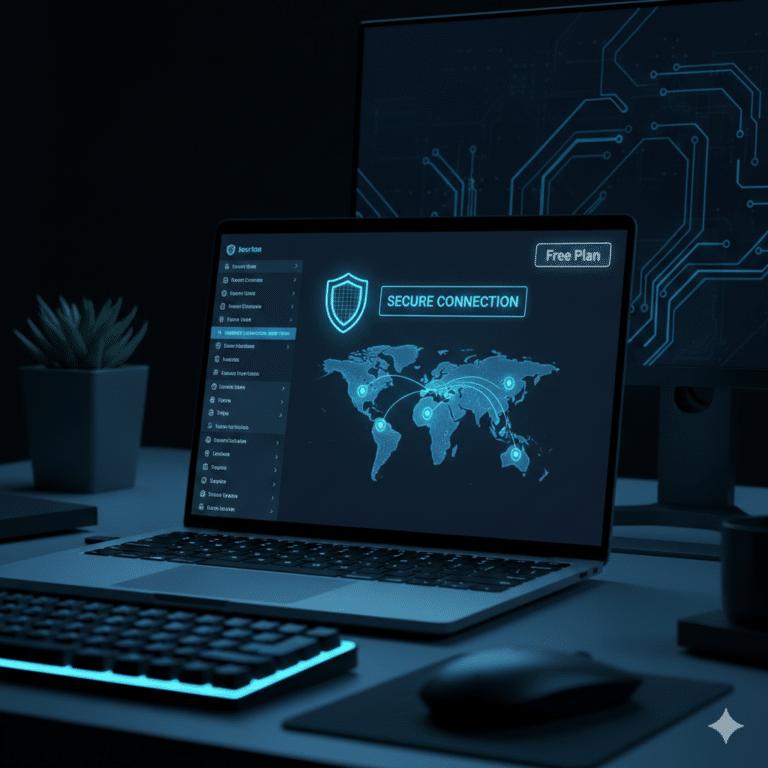
Once your account is ready, download the client suitable for your device—available for Windows, macOS, Android, and iOS. Follow the on‑screen prompts to install. After installation, log in with the credentials you created. The interface is intuitive, featuring a simple “connect” button and a server map that displays available locations.
3. Choosing a Server and Protocol
Click on any country’s icon to connect. For the best experience, select a server near your physical location to reduce latency. TunnelBear uses the OpenVPN protocol by default, which is widely regarded as secure. If you’re on a device that supports WireGuard, you can switch to that for improved speed and security. Check the settings to confirm you’re using a secure protocol; if not, toggle to your preferred one.
4. Enabling Advanced Features
In the settings menu, you’ll find options such as “GhostBear” (a stealth mode that disguises VPN traffic) and “Kill Switch” (which blocks all internet traffic if the VPN drops). Enabling the Kill Switch is recommended for maximum protection, especially on public Wi‑Fi networks. Additionally, you can enable “Ad Blocker” to reduce tracking and intrusive ads.
5. Verifying Your IP and DNS Leak Protection
After connecting, use a site like Cloudflare’s online tools to check your public IP and ensure that no DNS leaks are occurring. A properly configured VPN should display the server’s IP, not your actual location. If you see discrepancies, revisit the settings or consult the support page.
6. Managing Your Data Usage
TunnelBear’s free tier allows up to 500 MB of data per month, a limit that may be quickly exhausted for streaming or large downloads. In the app, you can monitor usage in real time. To avoid interruptions, either upgrade to a paid plan or schedule usage during periods of lower demand.
7. Using the Browser Extension
For an added layer of security when browsing, install the TunnelBear browser extension for Chrome or Firefox. This extension encrypts traffic directly from the browser, providing a seamless experience without switching applications. It is especially useful for bypassing geo‑restrictions on streaming platforms.
8. Updating the App Regularly
Keep your client up to date to benefit from the latest security patches. TunnelBear typically releases updates that address vulnerabilities or improve performance. Enable auto‑updates whenever possible to avoid missing critical fixes.
9. Uninstalling and Re‑installing
If you encounter issues or wish to start fresh, uninstall the current installation and reinstall the latest version from the official site. This can resolve problems related to corrupted files or configuration errors.
10. Contacting Support
Should you face any difficulties, TunnelBear’s support team can be reached via live chat or email. Their knowledge base also contains FAQs that address common concerns such as “Is TunnelBear trustworthy?” and “What is TunnelBear?” which provide further insight into the service’s reliability.
11. Checking Log Policy
Visit the official documentation to confirm that TunnelBear follows a no‑logs policy. This policy is crucial for privacy, ensuring that no information about your online activity is stored. You can confirm this by reviewing their privacy statement or by checking the trustworthiness review.
12. Using the Service Internationally
When traveling abroad, you might experience different speeds or restrictions based on the local infrastructure. For instance, in countries with heavy censorship such as China or Iran, you may need to use obfuscated servers. TunnelBear’s stealth mode helps bypass such blocks, allowing you to access your usual services even in restrictive environments.
13. Exploring Additional Security Tools
Consider pairing your VPN with a reputable ad blocker or a privacy-focused browser. Tools like EFF’s Privacy Badger can further reduce tracking while using TunnelBear.
14. Configuring Multiple Devices
With a single subscription, you can connect up to 5 devices simultaneously. Manage this in the account section, ensuring that you keep track of active connections. This is particularly useful for families or small offices.
15. Monitoring Speed and Performance
After connecting, use a speed test service to measure throughput. If you notice significant drops, try switching to a different server or protocol. Speed can vary greatly by region; for example, servers in the U.S. may offer better latency than those in South America.
Tips
Below are actionable recommendations that elevate your VPN experience beyond the basic setup.
1. Use Strong Passwords
Create a unique password for your TunnelBear account. Combine letters, numbers, and symbols. If you’re unsure, a password manager can generate and store complex passwords for you.
2. Enable Two‑Factor Authentication
For added security, activate 2FA on your account. This protects against unauthorized access, especially if your email credentials are compromised.
3. Keep Software Updated
Regularly update both the VPN client and your operating system. Updates often patch vulnerabilities that could otherwise be exploited by attackers.
4. Use Secure Wi‑Fi Networks
Even with a VPN, connecting to unsecured public Wi‑Fi can expose you to risks. Use a trusted network whenever possible, or rely on TunnelBear’s Kill Switch to cut off traffic if a connection drops.
5. Monitor Data Usage
With limited data on the free plan, monitor your usage to avoid accidental overages. Many devices allow notifications when you approach your monthly cap.
6. Understand Jurisdiction
TunnelBear’s servers are located in the U.S., so your traffic may be subject to U.S. laws and surveillance programs. If you’re concerned about jurisdiction, look for VPN providers with servers in privacy-friendly countries like Switzerland or Iceland.
7. Combine with Other Security Layers
Pair the VPN with a reliable antivirus program and a secure browser. Layering defenses reduces the chance of a single point of failure.
8. Test for DNS Leaks Regularly
Even with the Kill Switch enabled, occasional leaks can happen. Regularly check for leaks using online tools to confirm that your DNS requests are routed through the VPN.
9. Evaluate Your Needs Periodically
As your usage grows, revisit the plan you’re on. If you frequently stream or download, an unlimited plan may be worth the investment.
10. Take Advantage of Community Resources
Join forums or communities that discuss VPNs. They can provide tips, updates on new servers, or insights into how other users navigate specific regional restrictions.
Alternative Methods
While TunnelBear is a solid option, you may consider other methods to achieve similar results.
1. Using a Browser‑Based Proxy
Browser proxies are easy to use but typically offer less encryption. They’re suitable for occasional bypass of geo‑blocks but not for long‑term privacy.
2. OpenVPN Manually Configured
If you prefer more control, download OpenVPN configuration files directly from your VPN provider. This allows you to tweak parameters like cipher suites or MTU settings.
3. Commercial VPNs with Advanced Features
Providers such as ExpressVPN, NordVPN, or ProtonVPN offer higher speeds, a larger server network, and features like split tunneling or dedicated IPs.
4. Using Tor
The Tor network offers anonymity by routing traffic through multiple relays. However, it can be slow and is not suitable for high‑bandwidth activities like streaming.
5. DNS‑Based Privacy Services
Services like Cloudflare’s 1.1.1.1 or Google Public DNS can improve privacy by encrypting DNS requests, though they do not encrypt all traffic.
Conclusion
After exploring how to set up and use TunnelBear, the is tunnelbear safe question becomes clearer. The service provides strong encryption, a no‑logs policy, and user-friendly features that make it a reliable choice for many. The tunnelbear vpn security review demonstrates that the platform adheres to industry standards, yet users should remain vigilant about updating their software, managing data usage, and understanding the implications of server jurisdiction.
If you’re new to VPNs or searching for a straightforward solution that balances security with simplicity, TunnelBear remains a viable option. By following the step‑by‑step instructions and applying the tips outlined above, you’ll maximize your online privacy and enjoy a safer digital experience. As technology evolves, staying informed about the latest security practices and continuously assessing your tools will keep you one step ahead of potential threats. Happy, secure browsing!