
Free Android VPNs are widely used for quick privacy, access to geo-blocked content, or simply avoiding paid subscriptions(Rising Security). But experts are now raising the alarm: by 2025, as many as 39% of free Android VPN apps may contain malware or heavy tracking. This isn’t a small issue — it’s a systemic problem rooted in how free services monetize, which poses real security risks for users.
Why Free VPNs Are Riskier Than They Seem
Monetization Pressure
Offering a free VPN service isn’t cheap. Servers, bandwidth, maintenance—it all costs money. Since many free VPNs don’t charge their users, the incentive to sell user data or embed tracking tools is strong. According to predictions by VPNRanks, by 2025, 60% of free VPNs could be selling data to third parties, while around 80% might embed tracking features.
In other words, the “free” cost may be paid in the form of your personal data.
Malware Risk
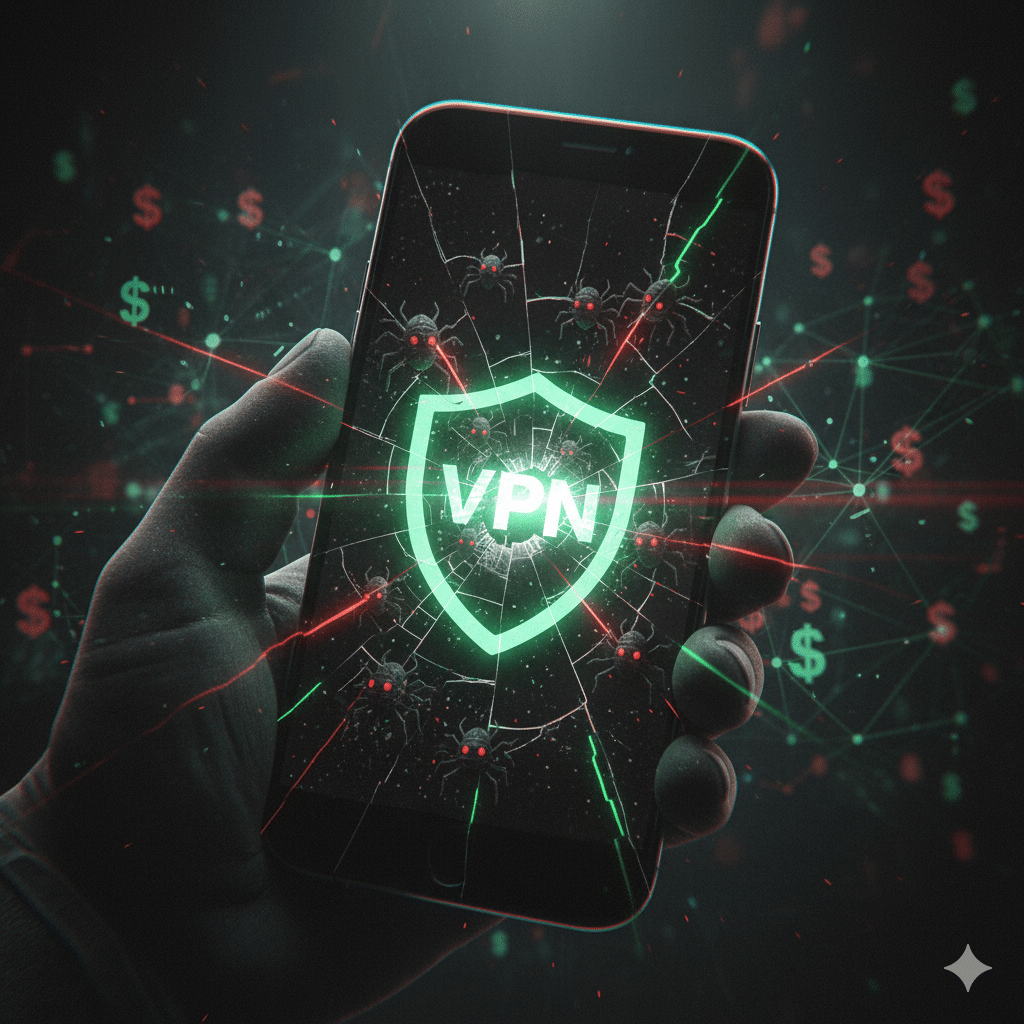
The most worrying statistic: experts forecast that 39% of free Android VPNs could be infected with malware by 2025. Malware in a VPN app completely breaks the security premise — rather than protecting your data, it could be harvesting it.
Such malware could include trojans, spyware, or even code converting your device into a proxy for others. Indeed, Kaspersky has previously warned of a surge in malicious apps posing as VPNs. In one dramatic instance, a botnet named 911 S5 used free VPN apps to convert user devices into proxy servers, affecting millions.
Privacy Leaks
Beyond malware, many free VPNs suffer from network leaks and weak privacy protections. According to a 2025 report, 88% of the top 100 free Android VPNs leaked user data, and 84% leaked network traffic.
Often these leaks are due to poor or partial encryption, misconfigured DNS, or sloppy permission design. When a VPN app doesn’t fully hide your IP or your DNS requests, its value as a privacy tool is seriously undermined.
Excessive or Invasive Permissions
In research conducted by Top10VPN, out of 150 free VPN apps tested for Android:
67% requested “dangerous” permissions (e.g., access to contacts, camera, SMS) that are unnecessary for basic VPN functionality.
25% asked for location access in ways that could track you beyond what is needed for anonymizing traffic.
These permissions don’t just introduce risk — they could be abused to collect sensitive personal data.
What Experts Are Saying
Many security professionals are sounding the alarm. TechRadar highlighted predictive data indicating that free Android VPN risks are not going down — but increasing significantly due to monetization strategies.
Security analysts argue that many of these “free” services are not really about protecting you — instead, they’re business models that exploit you. With weak encryption, embedded trackers, and even malware, some free apps are more privacy hazards than privacy tools.
Real-World Cases & Research
Kaspersky’s Findings: The cybersecurity firm documented a dramatic rise in malicious apps posing as VPNs. These apps sometimes acted as proxy nodes for botnets.
Top10VPN Risk Index: When testing 150 free VPNs on Android, they found that many requested unnecessary permissions and a significant fraction flagged for potential malware.
911 S5 Botnet: According to security analysts, free VPNs like MaskVPN and others were co-opted into a botnet with over 19 million IP addresses, converting user devices into proxy servers.
How to Protect Yourself
Choose Trusted Providers: Even if you want free VPN usage, opt for reputable brands that offer a free tier, rather than unknown “free-only” apps.
Check Permissions: Before installing, review what permissions the VPN app requests. Avoid apps asking for location, contacts, or SMS if not strictly necessary.
Read Privacy Policies: Make sure the provider explains whether it logs data, sells information, or uses trackers.
Run Security Scans: Use antivirus or malware-detection tools on your Android device to scan VPN apps after installation.
Consider Paid VPNs: Even a low-cost paid VPN may be safer than a “free” one that monetizes you. Premium VPNs often offer audits, strong encryption, and no-logging policies.
Conclusion
The rise of free Android VPNs has undoubtedly made online privacy more accessible — but not without significant trade-offs. Experts warn of a coming security reckoning: by 2025, nearly 39% of free Android VPNs may contain malware, while many others embed trackers or leak data. If you rely on a VPN for your safety and privacy, using the “free” version may be less of a bargain and more of a risk.
As the ecosystem evolves, vigilance is key. Download only from trusted sources, scrutinize app permissions, consider paid alternatives, and stay informed about the real costs of “free” VPNs. Your privacy deserves more than hidden compromises