Introduction
In today’s hyper‑connected world, many ask the question should i get vpn. The answer hinges on privacy, security, and location freedom. benefits of using a vpn range from blocking unwanted ads to bypassing censorship. For travelers in Italy, Japan, or Brazil, a VPN can unlock streaming libraries and protect public Wi‑Fi data. Understanding whether a VPN is essential depends on your digital habits and threat model.
Before diving deeper, ask yourself: What is my location VPN? Knowing how a VPN masks your true IP address is the first step in evaluating its worth. Equally important is discovering What is my IP address VPN private internet access? because the location you see online can be a red flag for targeted ads or geo‑blocking.
As you explore the nuances of secure browsing, consider What is my IP address VPN on my phone? Many mobile users wonder if a VPN on their device truly protects them. The next sections will break down the practical steps, tips, and alternatives that can help you decide if a VPN is right for your situation. Remember, should i get vpn remains a personal choice based on risk, usage, and desired level of anonymity.
Step‑by‑Step Instructions
Choosing the Right VPN Provider
Begin by researching providers that offer robust encryption, a no‑logs policy, and a wide server network. If you frequently travel between the US, UK, and Australia, a provider with servers in those regions will reduce latency and increase reliability. Check the how to set up a VPN for Android guide to compare app interfaces and user reviews.
While comparing services, evaluate their benefits of using a vpn such as split tunneling, kill switches, and DNS leak protection. Providers that support multiple protocols (OpenVPN, WireGuard, IKEv2) give you flexibility in balancing speed and security. Look for free trials or money‑back guarantees to test the service before committing.
When the provider choice is settled, consider the subscription length that fits your budget. Annual plans often offer savings, but monthly flexibility might be essential for short trips. Always read the terms of service for any limitations on bandwidth or device count, ensuring that your chosen plan supports all your gadgets.
Installing the VPN App
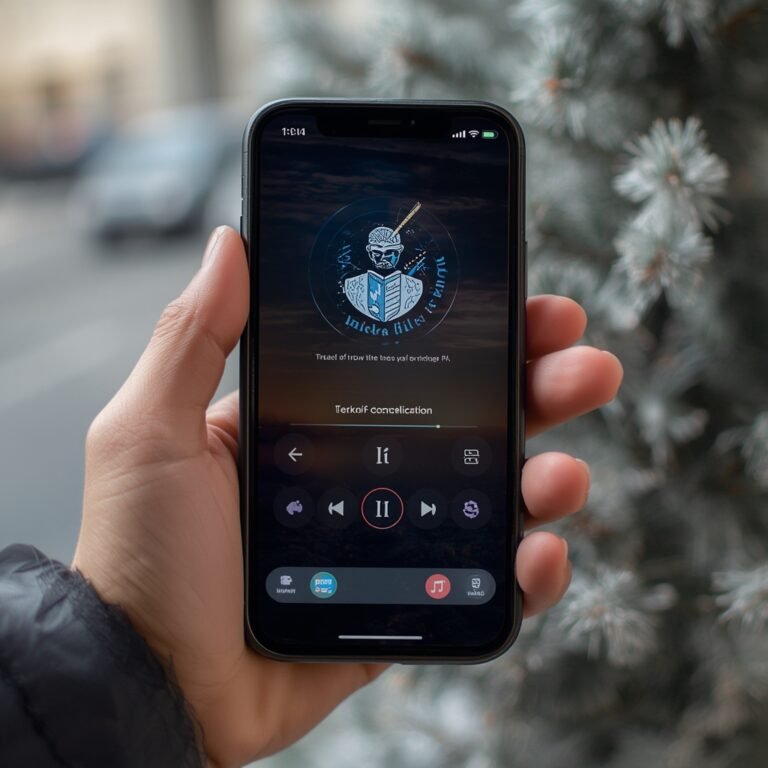
Download the official VPN app from the Google Play Store or the provider’s website. Avoid third‑party apps, as they may contain malicious code or be revoked by the vendor. The app’s interface should clearly display server locations, connection status, and a toggle for automatic reconnection.
During installation, grant only the permissions that are essential for network operation. A legitimate VPN app typically requests access to the network, but not to your contacts or camera. Reviewing the permissions list before tapping “Accept” helps prevent accidental data sharing.
Once the app is installed, log in with your credentials and navigate to the settings menu. From here, enable features such as a kill switch, which blocks internet traffic if the VPN connection drops, ensuring your data never leaks.
Configuring Your VPN Settings
Open the settings panel and select your preferred protocol. WireGuard offers speed but may not be available on older devices, while OpenVPN is widely supported. Some providers allow you to choose between UDP and TCP for fine‑tuned performance.
Set up split tunneling if you wish to route only specific apps through the VPN. This is useful when streaming local content that requires a non‑VPN IP or when using a public Wi‑Fi hotspot that is only safe for certain traffic.
Enable the DNS leak protection feature to prevent DNS requests from bypassing the encrypted tunnel. After configuring these settings, save your preferences and exit the settings menu.
Testing Your VPN Connection
Before trusting your VPN for daily use, verify that your IP address and location have changed. Visit a trusted IP checker site and compare the results before and after connecting. A successful test should show the server’s IP and the country you selected.
Next, confirm that there are no DNS leaks by using a leak test tool. If the test shows a leak, revisit your settings and enable DNS protection or switch to a more secure protocol. A fully locked‑in VPN ensures that all data stays within its encrypted tunnel.
Finally, test speed and latency by streaming a video or downloading a file. While VPNs can sometimes reduce speeds, the trade‑off for privacy is often worthwhile. If the performance is unacceptable, consider switching servers or protocols within the app’s settings.
Tips
When selecting a VPN, review expert reviews on PCMag’s explainer for an in‑depth comparison of encryption standards, pricing, and usability. These insights help you avoid overpaying for features you may never use.
Use the what is my location VPN? page to verify that the VPN is masking your real geographic location. This is especially important for accessing region‑specific streaming services or research data restricted in certain countries.
Remember that a VPN does not grant immunity from phishing or malware. Combine it with an updated antivirus app and safe browsing habits to create a layered security posture. Regularly update your VPN app and device OS to protect against known vulnerabilities.
Alternative Methods
For users who prefer a lightweight solution, consider the built‑in VPN on Android 10 and above. By going to Settings → Network & Internet → VPN, you can add a new profile and connect without installing a third‑party app. This option is great for temporary or low‑risk browsing.
Another alternative is using a trusted proxy server. While proxies encrypt traffic to the server, they do not hide your IP from the destination site. Proxies are faster but provide less privacy than full VPN solutions. Use them only for tasks where encryption is required but anonymity is not critical.
Some browsers, like Tor Browser, route traffic through a volunteer network, offering anonymity for sensitive browsing. However, Tor can be slower and is not suitable for streaming or large downloads. Use it for research, whistleblowing, or when you need to avoid state surveillance.
Conclusion
Ultimately, the decision to should i get vpn boils down to the level of privacy you require, the regions you access, and your tolerance for potential speed loss. The benefits of using a vpn—from secure public Wi‑Fi to bypassing geo‑blocks—are compelling for most users.
By following the step‑by‑step instructions outlined above, you can set up a reliable VPN on any Android device, verify your connection, and tweak settings for optimal performance. Remember to review additional resources, such as the PCMag guide for selecting the right provider, and keep your device and apps updated.
For travelers, a VPN can be your digital passport, granting access to local services regardless of your physical location. Whether you choose a premium provider, a built‑in Android VPN, or a proxy, understanding the trade‑offs will help you maintain control over your online presence. In the end, if you value privacy and freedom, a VPN is a worthwhile investment that aligns with modern security best practices.