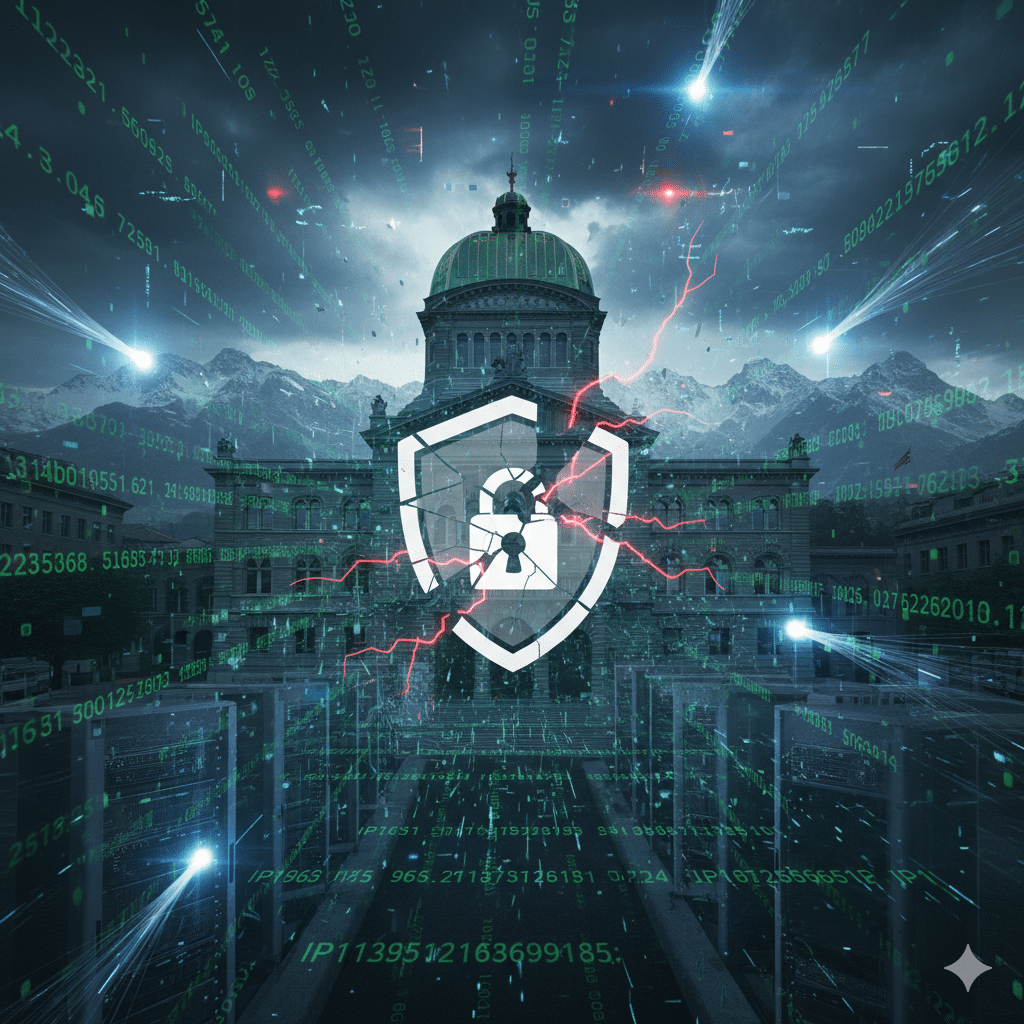

Switzerland — long regarded as a global haven for privacy tech — is now the center of a brewing regulatory storm(Swiss Privacy Rule). A proposed update to Swiss surveillance rules would force certain digital service providers (including VPNs) to collect ID, retain subscriber metadata for months, and, in some cases, enable decryption on request. The move has set off alarm bells across the privacy industry and prompted at least one major vendor to begin shifting infrastructure out of the country.
What the proposal would require
Under the draft changes to the Ordinance on the Surveillance of Post and Telecommunications (VÜPF/OSCPT), services that meet a relatively modest user threshold could be required to:
Verify users’ identities (ID checks) on registration.
Store subscriber metadata (e.g., IP bindings) for up to six months.
Cooperate with authorities on targeted surveillance requests, potentially including access to encrypted content if keys are available locally.
These changes would directly conflict with how many privacy-first VPNs operate — especially those that advertise a strict “no-logs” stance and permit anonymous sign-ups. Industry groups and digital rights advocates warn that the rules would effectively eliminate anonymous VPN access for services above the threshold.
Industry reaction: relocation and reputational risk
Proton — one of the most prominent Swiss-based privacy companies — publicly criticized the proposals and has already started migrating parts of its infrastructure to other European countries citing “legal uncertainty.” Other Swiss privacy firms, and organizations that host encrypted messaging and email services, have signaled they could follow suit if the law advances in its current form. The potential exodus would not only undercut Switzerland’s privacy brand but could fragment the small ecosystem of privacy specialists headquartered there.
A widely reported industry line captures the mood: Proton said it “refuses to be ‘held hostage’ by controversial proposed” surveillance requirements — a blunt statement that highlights how existential the debate has become for privacy vendors.
Why this matters for VPN users
For everyday VPN users — consumers and businesses alike — the proposed rules could mean:
Reduced anonymity: ID checks would make anonymous accounts far harder to obtain for services covered by the rule.
Weaker privacy guarantees: Retained IP/subscriber linkage for months increases the risk of correlating traffic to individuals if data is accessed or leaked.
Changes in service location and trust: Vendors may shift legal domicile or server locations, altering the jurisdictional privacy assurances marketed to users.
Even where vendors resist, legal uncertainty can lead to conservative policy changes: fewer anonymous signup options, narrower no-logs promises, and more transparency reports that disclose government orders — all of which affect how people choose and trust VPN services.
Technical and legal counterpoints
Supporters of the proposal argue it targets criminal misuse (e.g., organized crime, child exploitation) and would only apply to larger providers to limit burden on small services. Critics counter that technical measures (like decentralized architectures) and strong encryption already make targeted law enforcement possible via warrants — but blanket ID-checks and retention are disproportionate and create systemic privacy risks. The debate therefore sits at the intersection of security, civil liberties, and regulatory design.
Expert perspectives
Privacy advocates: Call the changes “a serious threat to online anonymity” and warn of chilling effects on free expression and whistleblowing.
Industry analysts: Note the commercial risk — Swiss-based privacy firms have built competitive advantage on jurisdictional neutrality; changing rules may drive relocations and reduce investor confidence.
What VPN companies can (and are) doing
Some vendors are taking contingency actions now: diversifying infrastructure across jurisdictions, implementing stricter transparency measures, and re-auditing legal risk related to server location and key custody. Others are lobbying Swiss policymakers and participating in consultations to narrow the scope of any final law so that core privacy guarantees survive.
Conclusion
The proposed Swiss surveillance amendments represent more than a local policy change — they’re a stress test for the global privacy-service model. If enacted as drafted, the rules could force a rethinking of “no-logs” promises, push privacy vendors to new jurisdictions, and reshape user expectations about VPN anonymity. For consumers evaluating VPNs today, the key takeaway is to pay attention to where a provider hosts data and keeps keys, how it responds to legal risk, and what independent audits or transparency reports it publishes.
Sources & further reading (selected):
The Record — analysis of Swiss proposals and industry impact. (The Record from Recorded Future)
Internet Society (ISOC.ch) — overview of proposed surveillance ordinance risks. (ISOC Switzerland Chapter)
TechRadar / reporting on Proton’s infrastructure moves. (TechRadar)
Tom’s Guide — Proton statement and reporting. (Tom’s Guide)
MLex — legal and industry pushback coverage. (MLex)