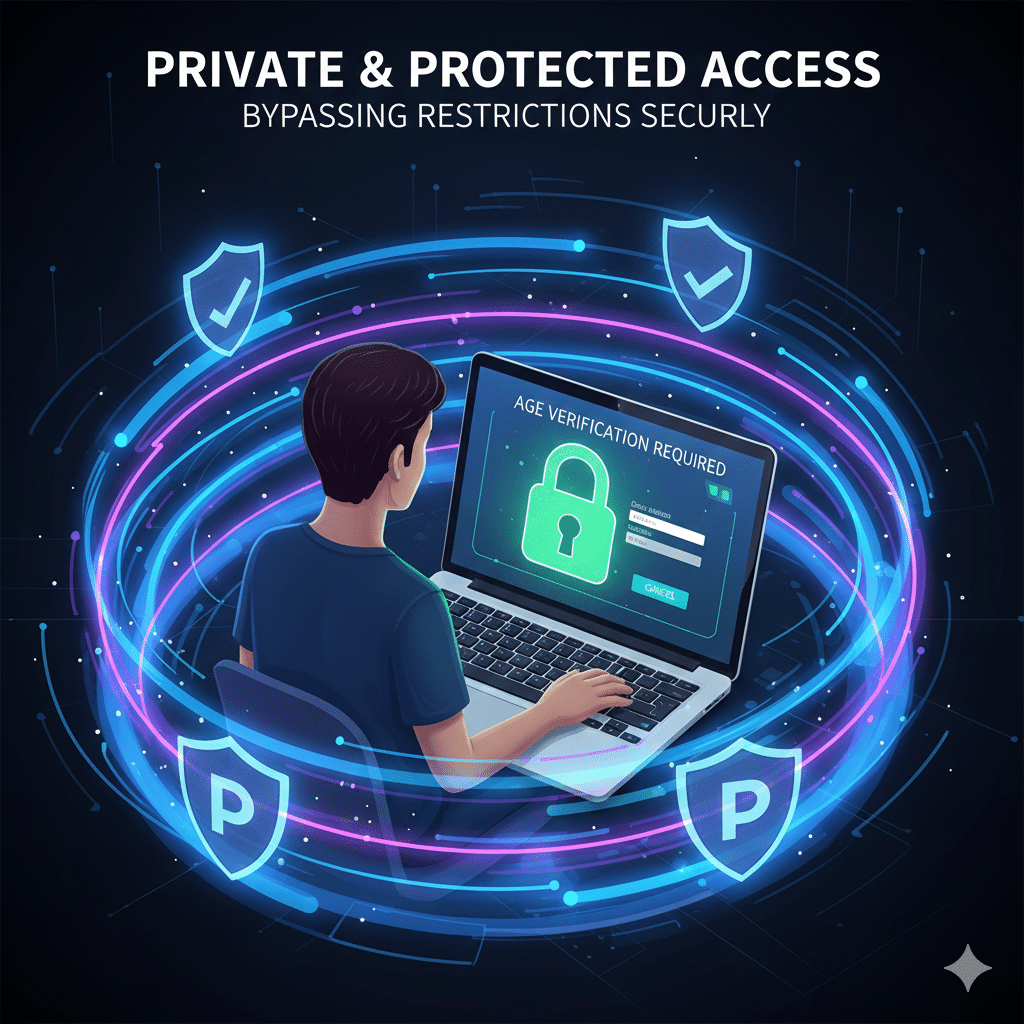

Mandatory age verification laws rolled out across multiple countries in 2025 have sparked renewed discussion about online privacy and the role of Virtual Private Networks (VPNs) in protecting user data and access. While these rules were designed to shield minors from potentially harmful content, they inadvertently raised privacy concerns and influenced how millions of users browse the web — with many turning to VPNs to preserve anonymity and avoid invasive identity checks. (VPN Privacy & Age)
Age verification changes are not limited to one region: the UK’s Online Safety Act instituted widespread age checks on adult and potentially harmful content, while U.S. states such as Arizona and Missouri introduced their own age-verification mandates, prompting a global reassessment of how such policies impact user privacy and VPN demand.
The Age Verification Wave and Its Privacy Fallout
Across 2025, several major online safety laws came into force — often requiring users to provide photo IDs, credit card data, or biometric scans before access to certain sites and services was granted. These requirements were intended to enhance child protection but had significant side effects for privacy: requiring sensitive data uploads to third-party age-verification services can expose personal information to breaches or misuse. Critics argue that such systems inherently increase data-breach risk and put individuals’ privacy at stake.
In the UK, the implementation of mandatory age checks dramatically altered user behavior: daily VPN usage nearly doubled after July 2025, jumping from about 650,000 to 1.5 million daily users as people sought alternatives that did not involve revealing personal identifying information. Even as usage leveled off to around 900,000 daily users later in the year, figures remained well above pre-law levels.
This trend underscored a core tension: users often perceive VPNs as tools to protect privacy and digital identity, leading many adults — not just minors — to prefer encrypted browsing over submitting sensitive data to age-verification providers.
Why Users Turn to VPNs After Age Verification Mandates
1. Preserving Anonymity and Location Privacy
A VPN masks a user’s IP address, making them appear to be browsing from another country — and in many cases, outside the jurisdiction enforcing age checks. For users who value privacy, this method means avoiding upload of personal data directly to websites or verification services.
This technical capability has shifted VPNs from niche privacy tools to mainstream internet utilities. In response to age checks, major VPN providers reported significant spikes in sign-ups, with daily increases of over 1,400 % in the UK at peak times.
2. Avoiding Data Exposure to Third-Party Verifiers
Age verification systems often rely on external companies to confirm user identities, meaning personal data could be stored outside the site being accessed. This approach has raised concerns among privacy advocates, as breaches at any link in the chain could expose sensitive information.
For many users, opting for a VPN is seen as a way to retain control over which entities see their browsing data — or at least avoid sending that data to multiple parties during age checks.
3. Bypassing Friction and Access Barriers
Mandatory age checks can be intrusive and slow, requiring multiple steps or even repeated verification each time a user revisits a site. Users frustrated by these hurdles may choose VPNs that let them bypass such friction altogether — at least until age-gating approaches evolve.
This effect isn’t isolated to adult content: platforms with broader age gating — such as social apps or gaming services — are also contributing to increased interest in VPNs as privacy shields.
Expert Views: Effectiveness vs. Privacy Cost
Privacy specialists and VPN industry analysts widely caution that while age verification aims to protect minors, it also raises significant privacy trade-offs:
“Mandatory age checks often require sensitive personal data that could be misused or stolen. VPNs offer privacy by design, but they also highlight the limitations of age-based regulation.” — Privacy researcher (summarized from industry commentary).
Child internet safety groups have also weighed in. Research from the UK Safer Internet Centre and Childnet suggests that the surge in VPN use following age verification enforcement cannot be attributed primarily to minors — implying that many adults seek VPNs to protect privacy rather than evade restrictions.
These findings point to a broader paradox: protections meant to safeguard can sometimes push users toward privacy workarounds that are technically legitimate but stem from discomfort with data disclosure.
Potential Risks and Considerations
While VPNs help mask online activity, they are not a panacea for privacy:
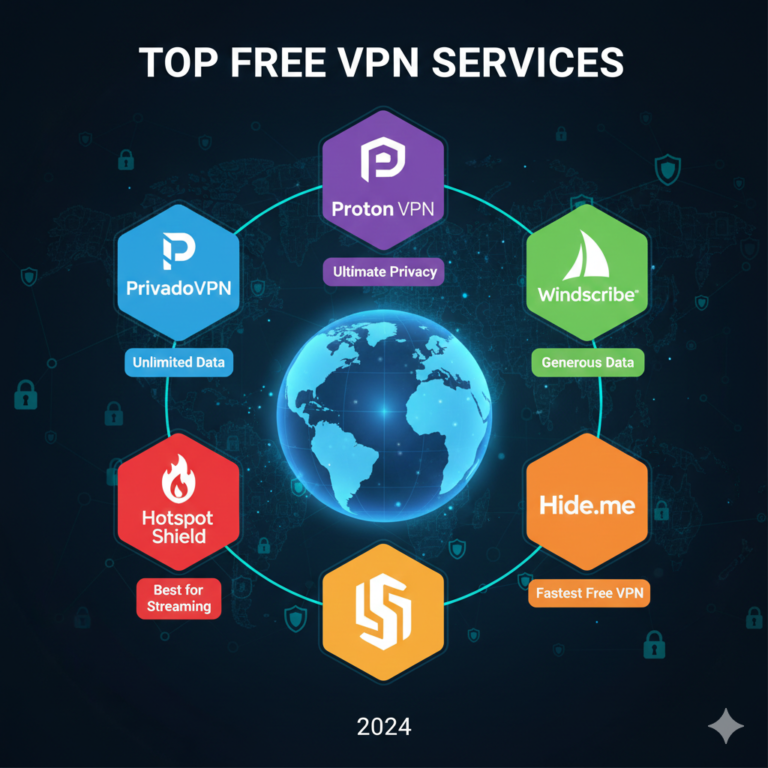
Free VPNs may compromise security, running outdated protocols, logging data, or even distributing malware. Experts stress choosing premium, audited VPN services with solid privacy policies.
Over-reliance on VPNs to avoid compliance can unintentionally push users towards unregulated or risky platforms, especially when age checks drive traffic to offshore sites. (
Excessive regulation combined with VPN circumvention could lead to more fragmented internet access and complex network governance issues.
Conclusion: A Privacy Balancing Act in the Digital Age
The wave of age verification laws in 2025 has reshaped both user expectations and VPN adoption patterns. While the original aim of these laws was to protect minors online, the privacy cost for adults has been substantial — encouraging many to adopt VPNs as tools to maintain anonymity and control over sensitive data.
Experts argue that policymakers must carefully consider how age verification is implemented, as mandating the collection of personal data can undermine broader principles of user privacy and push users toward circumvention tools like VPNs. Meanwhile, the evolution of online safety regulations and the role of privacy technologies like VPNs will remain central themes into 2026 and beyond.