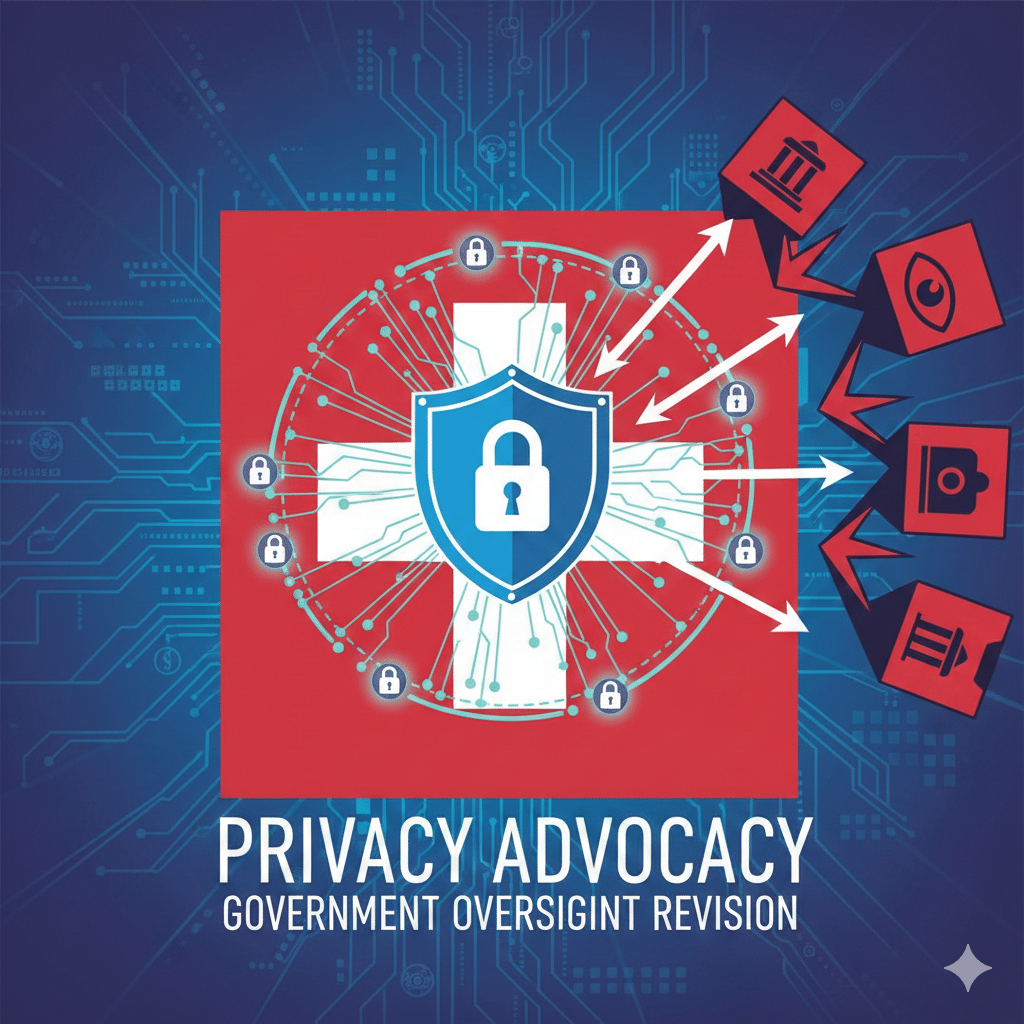

Switzerland has recently revised its proposed VPN surveillance bill following significant backlash from privacy advocates, tech companies, and citizens concerned about digital rights. The original proposal aimed to expand government authority over VPNs and encrypted communications, sparking widespread debate about the balance between security and privacy.
The reversal underscores Switzerland’s commitment to privacy as a fundamental right while reflecting the growing global tension between state surveillance efforts and individual data protection. VPN services, which are central to online privacy, became a focal point in this discussion, highlighting their role in safeguarding communications from unauthorized monitoring.
Background on the Original Proposal
The proposed bill sought to grant authorities enhanced monitoring capabilities, including the ability to access encrypted channels under certain circumstances. Critics warned that this could weaken VPN security and potentially set a dangerous precedent for user privacy, opening the door to broader surveillance measures.
Industry leaders, notably companies like Proton and other privacy-focused providers, publicly voiced concerns. Experts emphasized that weakening VPN protections could compromise not only individual privacy but also corporate cybersecurity, particularly for Swiss companies conducting sensitive international operations.
Public and Industry Backlash
The proposal faced resistance from multiple fronts:
Privacy advocates argued that mandating potential backdoors or state access would undermine the integrity of encryption and trust in digital services.
Tech industry leaders warned of economic implications, noting that Switzerland’s reputation as a privacy-friendly country is a key factor for attracting tech businesses and secure communications platforms.
Citizen groups and digital rights NGOs organized campaigns, petitions, and public discussions highlighting risks to personal freedoms.
This combination of professional and grassroots pressure ultimately prompted the Swiss government to reconsider and revise the legislation.
Implications for VPNs and Privacy
VPN services, which encrypt internet traffic and obscure user identities, were directly impacted by the bill’s original intent. Experts note that:
Compelled access or backdoors would weaken the very foundation of VPN security.
Users could face reduced trust in domestic VPN providers if compliance with invasive monitoring were mandatory.
The debate emphasizes the importance of regulatory clarity to maintain both privacy protections and law enforcement capabilities.
By revising the bill, Switzerland effectively preserves strong protections for VPN and encryption use, supporting both citizen privacy and secure enterprise communications.
Comparisons to Global Trends
Switzerland’s initial proposal mirrors similar efforts worldwide where governments have sought to regulate or access encrypted communications, such as in the UK, Germany, and Australia. However, unlike some jurisdictions that have enacted stricter laws, Switzerland’s backtracking demonstrates the influence of civil society and tech industry advocacy in shaping digital privacy policy.
This incident reinforces the vital role of VPNs as tools to maintain secure and private internet access in a climate of evolving government surveillance initiatives.
learn more than UK Age Checks Increase VPN Use Despite Porn Traffic Drop
Conclusion
The revision of Switzerland’s VPN surveillance bill marks a win for privacy advocates and underscores the importance of vigilant monitoring of digital rights legislation. VPN providers continue to play a crucial role in protecting encrypted communications from potential overreach.
While governments may seek to balance national security with privacy, the Swiss case demonstrates that public engagement and expert input can influence outcomes, ensuring that VPN users retain strong protections. As surveillance debates continue globally, this development serves as a reminder that VPNs remain essential tools for safeguarding personal and professional data against unwarranted monitoring.