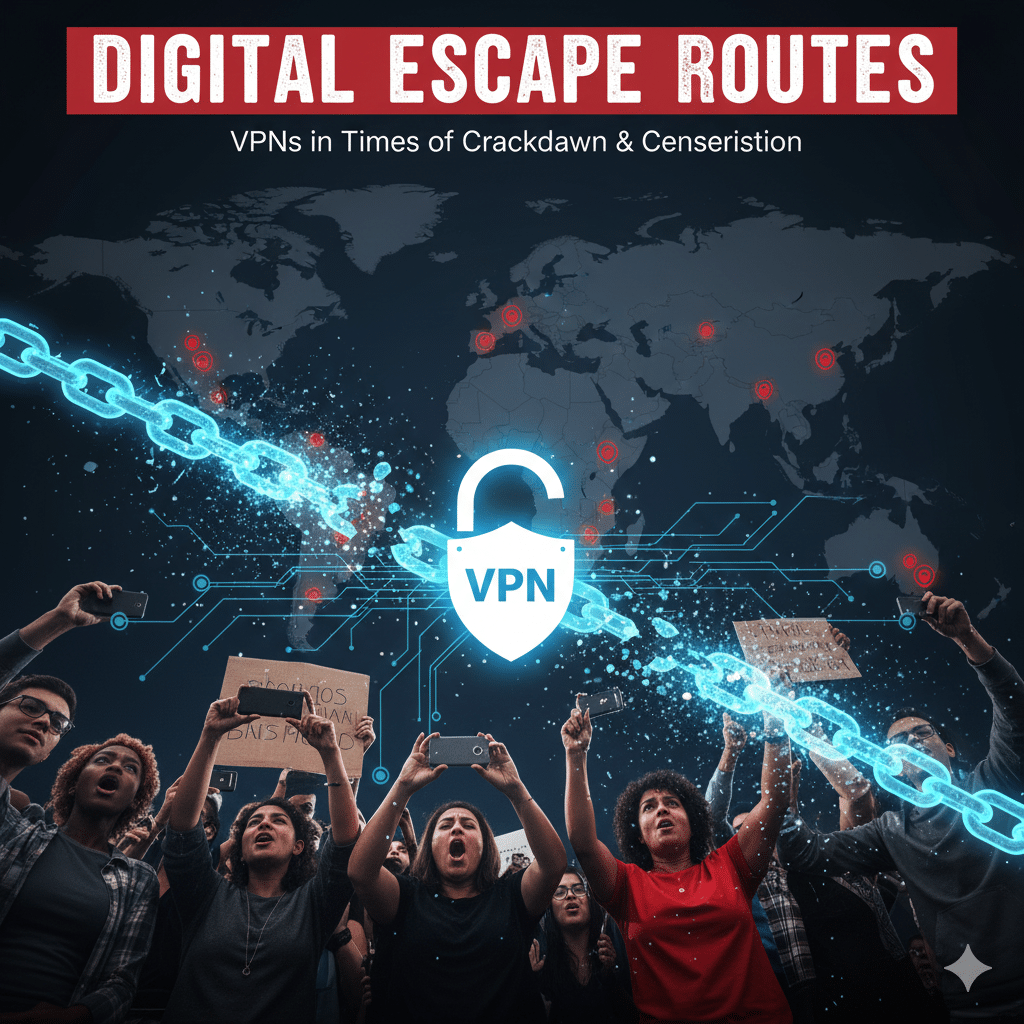

When governments restrict internet access — through social media bans, platform blackouts, or full network shutdowns — millions of people turn to Virtual Private Networks (VPNs) not just for privacy, but to stay connected and informed (VPN use spikes globally). Recent data from 2025 shows dramatic global spikes in VPN adoption corresponding to such events, highlighting that VPNs remain essential tools in digital resistance and freedom. From social‑media bans in Nepal to sweeping restrictions in Afghanistan and Turkey, VPN usage surges illustrate how people rely on secure tunnels to bypass censorship and preserve access to information.
Recent VPN surges linked to political unrest and internet censorship
Nepal: 8,000% spike after social media ban
In September 2025, when the government of Nepal blocked major social media platforms including Facebook, Instagram, X, WhatsApp, and YouTube — reportedly as part of an information‑control drive — citizens responded with an unprecedented surge in VPN usage. One prominent provider saw new sign‑ups jump by as much as 8,000% over baseline levels within days.
Analysts note that Google Trends and VPN‑provider metrics aligned: VPN‑related search interest skyrocketed, and many people turned to VPNs to bypass the blackout, share protest footage online, and maintain contact with family abroad. (India Today)
Afghanistan: 35,000% surge amid sweeping social‑media restrictions
In early October 2025, when the de facto authorities in Afghanistan imposed broad restrictions on social‑media platforms (Instagram, Facebook, X, Snapchat, TikTok, etc.), VPN usage exploded. According to a major VPN provider’s observatory data, usage climbed a staggering 35,000% over baseline, marking one of the highest global surges in 2025.
During this period, content filtering and partial internet shutdowns were reported in several regions — prompting citizens to rely heavily on VPNs to preserve access to global web services.
Turkey and beyond: repeated spikes after social media bans or content restrictions
In March 2025, following the arrest of a high‑profile mayor and subsequent social‑media restrictions in parts of Turkey, a major VPN research team documented demand surges exceeding 10,000%.
Even outside authoritarian contexts, policy actions such as content bans or restrictive regulations have triggered VPN interest. A 2025 analysis of global VPN search trends lists multiple countries — including the UK, France, India, and Pakistan — where regulatory changes or content restrictions led to significant upticks in VPN-related searches and usage. (
Why VPNs remain indispensable during censorship and unrest
Bypassing censorship and accessing blocked platforms
When governments block social media, messaging, or major websites, VPNs provide a technical escape — rerouting traffic through servers in uncensored regions, masking real IPs, and restoring access to the global internet. As seen in Nepal and Afghanistan, users deployed VPNs en masse to continue communication, activism, and access to global news.
Protecting privacy and security under surveillance or crackdown
During protests or government crackdowns, internet surveillance, data interception, or targeted tracking often intensifies. VPNs help encrypt traffic, conceal user data from ISPs or local monitors, enabling safer communication — especially important for activists, journalists, or ordinary citizens speaking out.
Maintaining connectivity and media access for diaspora communities
In many countries, blocking social media severs ties with communities abroad. VPNs allow people to bypass those blocks and remain connected to family, diaspora networks, and international support — preserving social and informational bonds even under censorship.
The broader trend: internet freedom decline and growing censorship — and VPN demand rising in parallel
According to a 2025 report, online freedoms globally have deteriorated for the 15th consecutive year. Even countries traditionally seen as open have seen restrictions — in some cases due to governmental regulation, in others due to political upheaval.
As censorship increases, the demand for circumvention tools such as VPNs consistently rises. Observers note that in 2024 alone, certain VPN providers recorded spikes of over 1,000%, 5,000%, and even 10,000% in various countries — often aligned with election cycles, protests, or content bans.
This parallel trend underscores a key reality: VPNs are no longer just “optional privacy tools,” but critical infrastructure for digital freedom and resilience in times of turmoil.
Challenges, risks, and what users should watch out for
While VPNs can restore access and privacy, reliance on them during high‑demand periods raises important caveats:
Server overload and performance drops: Massive usage surges can strain VPN infrastructure. In crisis periods, servers may get overloaded, reducing speeds, increasing latency, or causing disconnects — which can endanger users relying on VPNs for critical communication.
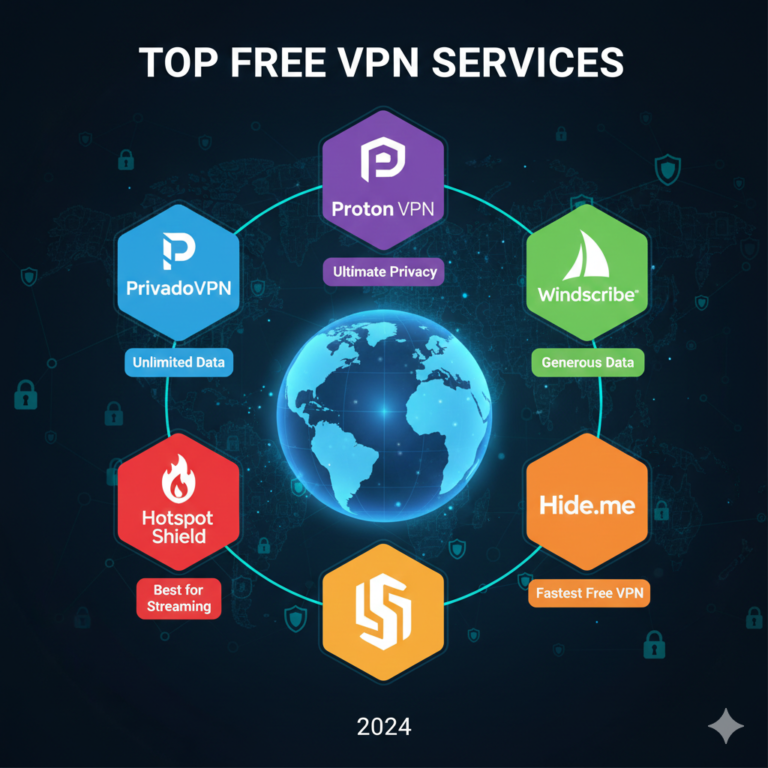
Trust and security of the VPN provider: In contexts of widespread demand, some users may turn to lesser-known or “free” VPNs — which could compromise privacy or even introduce security risks. Choosing a trustworthy, well‑audited VPN becomes more critical than ever.
Legal and regulatory backlash: In certain countries, VPN use may be restricted or technically blocked. Users must weigh the risk, especially when authorities crack down on circumvention tools.
Over-reliance on VPNs for all privacy needs: VPNs help with network-level encryption, but they don’t guarantee anonymity or protect users from malware, phishing, or compromised devices. Good digital hygiene remains essential.
Conclusion
The recent global spikes in VPN use — from Nepal’s 8,000% surge to Afghanistan’s 35,000% jump — demonstrate a powerful pattern: when governments restrict internet access or clamp down on free expression, people turn to VPNs as lifelines. As censorship, blackouts, and internet shutdowns spread worldwide, VPNs are increasingly acting as crucial tools for communication, information access, and digital resistance.
But this surge also carries challenges: infrastructure strain, security risks, and legal uncertainties. For citizens in affected regions — and for users worldwide — it’s vital to choose reputable VPN providers, stay security‑conscious, and keep in mind that a VPN is one piece in the broader puzzle of digital privacy and freedom.