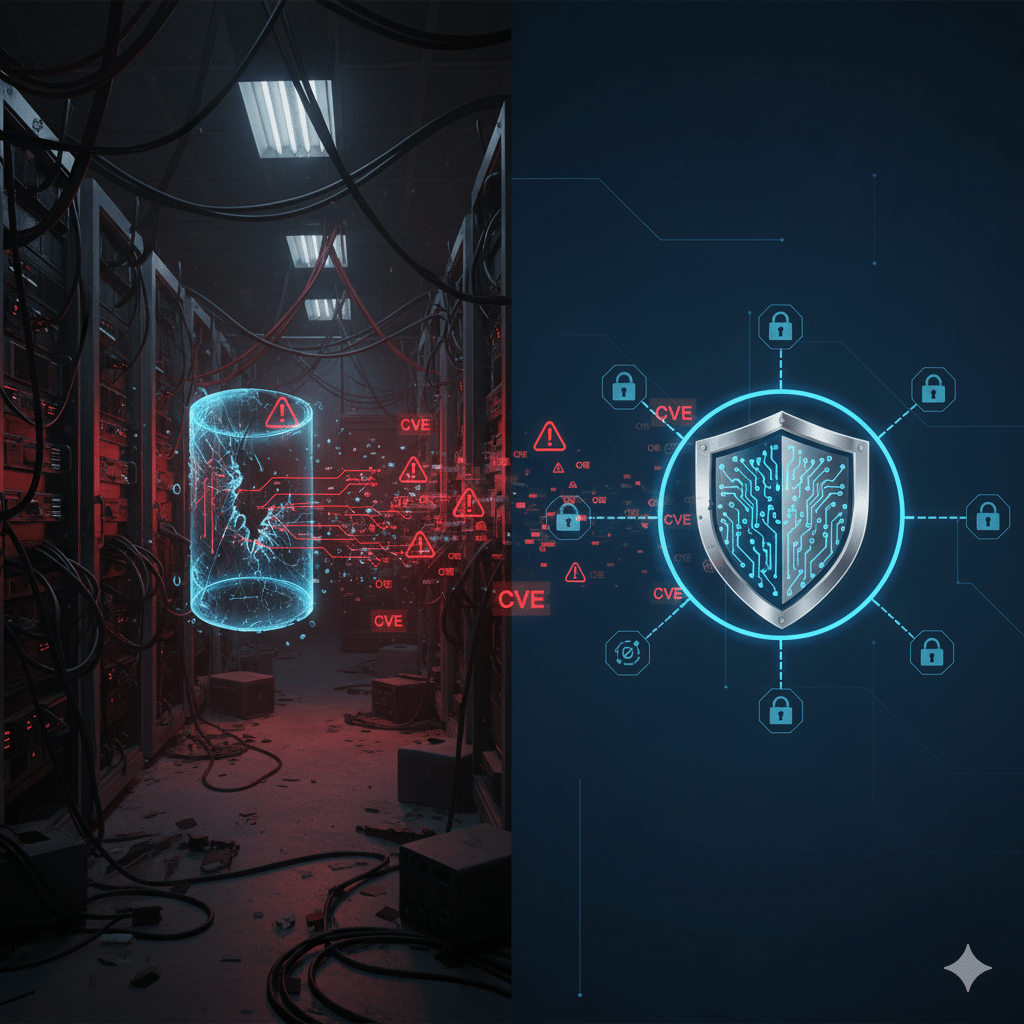

Traditional VPNs — once the backbone of remote access — are suddenly under intense scrutiny. The latest Zscaler ThreatLabz 2025 VPN Risk Report finds enterprises increasingly view VPNs as security liabilities, with many organizations actively planning to replace them as they adopt zero-trust architectures(VPNs Under Siege). This article breaks down the most important findings from the VPN risk report, what they mean for security teams, and practical next steps for organizations evaluating their remote access strategy.
Key findings at a glance
A large majority of organizations express acute concern that VPN vulnerabilities could lead to ransomware or other breaches.
Many firms are accelerating zero-trust adoption: the report states roughly 81% plan to implement zero-trust strategies in the near term.
A sizable portion of organizations (reported at ~65%) plan to replace legacy VPNs within the year — signaling a market shift from “lift and patch” to “rearchitect.”
These data points make it clear: the conversation has moved beyond whether VPNs are secure to whether they are the right tool at all for modern enterprise access.
Why VPNs are being labeled a liability
The VPN risk report compiles survey responses and CVE analyses showing three recurring problems:
Unpatched vulnerabilities: Publicly disclosed VPN CVEs and their exploitability have grown, and many organizations struggle to keep appliances and clients patched — creating high-impact windows attackers can exploit.
Over-privileged lateral access: VPNs often grant broad network access once authentication succeeds, enabling lateral movement that magnifies the damage of a compromise.
Operational complexity and performance pain: Administrative overhead, connectivity issues, and poor UX for remote users push teams toward simpler, more scalable access models.
As Deepen Desai, CSO at Zscaler, put it: “Attackers will increasingly leverage AI for automated reconnaissance, intelligent password spraying, and rapid exploit development, allowing them to compromise VPNs at scale.” His assessment frames the urgency behind the broader move to zero trust.
Comparison: VPN vs Zero Trust (practical lens)
Attack surface: VPNs expose internet-facing assets (concentrated targets). Zero trust removes that exposure by relying on authenticated, least-privilege, per-application access. Result: smaller attack surface.
Access control granularity: VPN = network segment access; Zero Trust = policy-enforced application/resource access. The latter reduces lateral movement risk.
Operational model: VPN maintenance requires patch cycles, perimeter hardening, and scaling effort. Zero trust moves enforcement to centralized policy engines and cloud-native access gateways — often easier to scale and audit.
Data & implications for security teams
Ransomware risk: The report notes very high concern levels (often cited near or above 90%) that VPN vulnerabilities could lead to ransomware incidents, making unpatched VPNs a top priority for defenders.
Adoption intent: With ~81% planning zero-trust rollouts and many organizations planning to retire VPNs, procurement and architecture teams must prepare migration roadmaps and adjust vendor evaluations.
Practical implication: Treat VPNs as temporary transitional tech if you are moving to zero trust — but don’t rip and replace without mapping app dependencies and access patterns. A staged approach reduces disruption.
Recommended next steps (actionable)
Inventory and prioritize: Catalog all VPN gateways, clients, and the apps reachable via VPN. Identify high-risk assets and third-party links.
Harden and patch: Apply emergency patching to exposed appliances and enforce endpoint posture checks while migrations proceed.
Adopt least-privilege access: Begin replacing broad network tunnels with per-app access proxies or cloud access security brokers (CASBs) as interim controls.
Plan for zero trust: Create a phased zero-trust roadmap with pilots (selecting a few critical apps), telemetry requirements, and success metrics.
Monitor attacker techniques: Track AI-assisted reconnaissance and exploit automation trends — these informed Zscaler’s findings and should guide detection tuning.
Conclusion
The ThreatLabz 2025 VPN Risk Report is a wake-up call: VPNs — useful in the past — now present significant security, compliance, and operational challenges for many organizations. The strong momentum toward zero-trust architectures reflects a practical response: reduce exposed assets, apply least-privilege, and rely on modern policy engines and telemetry. For most organizations, a pragmatic, staged migration (harden now, replace carefully) will minimize business disruption while addressing the concrete risks the report highlights.