
Introduction
When you start searching for what is vpn application, the answers often range from simple definitions to complex technical jargon. Understanding what is vpn application helps you choose the right tool for privacy, streaming, and secure remote work.
Equally important is knowing what is vpn used for. Whether you’re protecting data on public Wi‑Fi in a coffee shop in New York, bypassing geo‑restrictions to watch a UK‑only series, or connecting to corporate resources from Sydney, the use‑case drives the configuration.
This guide covers the definition of what is vpn application, the primary purposes of what is vpn used for, a step‑by‑step installation process, practical tips, alternative methods, and a concise conclusion. Real‑world GEO examples from the United States, Canada, Germany, India, and Brazil are woven throughout to illustrate the concepts.
By the end of this article you’ll not only answer what is vpn application for your device but also grasp what is vpn used for in everyday digital life.
Step‑By‑Step Instructions
1. Choose a Reputable VPN Provider
Start by researching providers that offer strong encryption, a no‑logs policy, and servers in the regions you need. For example, if you need a US server to access Netflix US, select a provider with multiple US endpoints. Check reviews on sites like Is DuckDuckGo VPN Good? for insights on privacy‑focused services.
When evaluating, keep the focus keyword what is vpn application in mind: does the provider’s app support your platform (Windows, macOS, Android, iOS, Firestick)?
2. Sign Up and Download the Application
Create an account on the provider’s website, then download the what is vpn application for your operating system. Most providers offer native apps for Windows 10/11, macOS Monterey and later, iOS 15+, Android 11+, and even a dedicated Firestick version.
During download, verify the file’s checksum if the provider supplies one. This step protects you from tampered installers—a crucial security measure highlighted on Kaspersky’s definition of a VPN.
3. Install the VPN Application
Run the installer and follow the on‑screen prompts. On Windows, accept the default installation path; on macOS, drag the app to the Applications folder. Mobile users simply tap “Install”. Remember to grant the required permissions for network extensions – they enable the VPN to create a secure tunnel.
After installation, launch the app. You’ll be prompted to log in with the credentials created earlier. This login step confirms that you’re using a legitimate what is vpn application linked to your subscription.
4. Select a Server Based on Your GEO Needs
Open the server list and choose a location that matches your use case. For streaming a Japanese anime, pick a Tokyo server; for a business conference call with a partner in Berlin, select a Germany server.
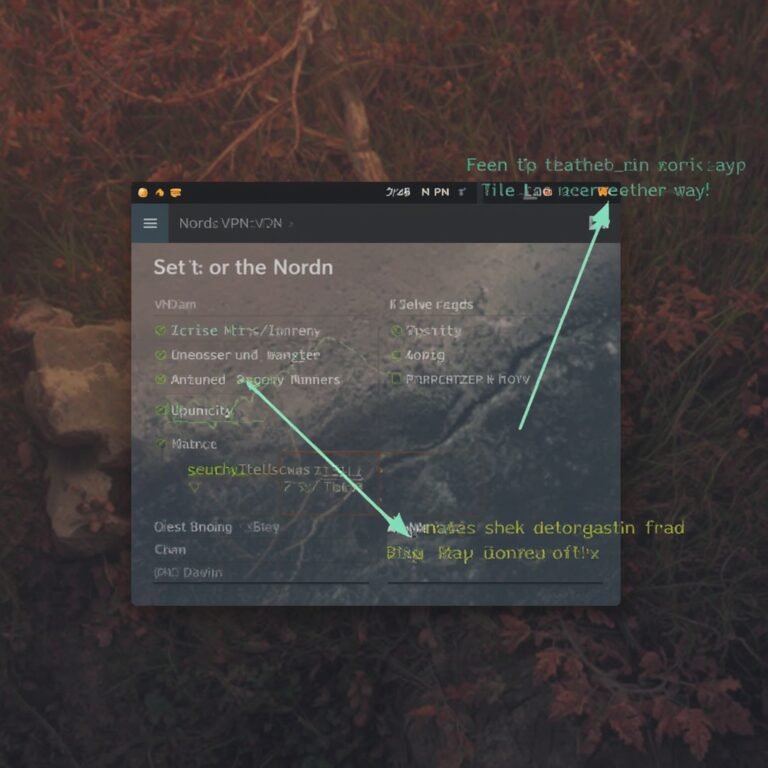
When you select a server, the app automatically establishes a secure tunnel. Test the connection by visiting Wikipedia’s VPN page or a “what is my IP” service to confirm your new IP address reflects the chosen region.
5. Verify That the VPN Is Active
Most apps display a green shield or “Connected” status. For extra assurance, use a third‑party IP checker. If the displayed IP belongs to the region you selected, the what is vpn used for – masking your real location – is working correctly.
On iOS devices, you might need to enable “Connect On Demand” to ensure the VPN automatically activates when you open specific apps, such as banking or email.
6. Optimize Settings for Performance and Security
Navigate to the settings tab. Enable the “Kill Switch” to block internet traffic if the VPN disconnects unexpectedly – a vital feature for maintaining privacy.
Choose the VPN protocol that best fits your needs: WireGuard for speed, OpenVPN for compatibility, or IKEv2 for mobile stability. Adjust the DNS settings to use privacy‑focused resolvers like Cloudflare (1.1.1.1) or Quad9 (9.9.9.9).
7. Test Real‑World Scenarios
Try streaming a geo‑blocked video, accessing a corporate intranet, or using a public Wi‑Fi hotspot at a Toronto café. If any service still detects your original IP, revisit the server list or switch protocols.
These practical tests reinforce the answer to what is vpn used for – providing secure, unrestricted internet access in diverse environments.
Tips
Maintain Regular Updates
Keep the what is vpn application up to date. Developers frequently patch vulnerabilities, improve protocol support, and add new server locations.
Use Split Tunneling Wisely
Enable split tunneling for bandwidth‑heavy tasks like gaming while keeping other traffic protected. This feature is especially useful in regions with limited internet caps, such as many South American countries.
Combine With a Secure DNS Provider
Even when the VPN encrypts traffic, DNS queries can leak. Pair your VPN with a privacy‑oriented DNS resolver to fully protect your browsing history.
Check for App Compatibility on Firestick
Firestick users often ask what is vpn application that works on their device. The official app from most major VPN providers includes a simple “Install on Firestick” button. If you encounter issues, consult the guide Is DataCamp Limited a VPN? for troubleshooting tips.
Hide the VPN Icon on iPhone
If you prefer a cleaner status bar, follow the steps on How to Hide VPN on iPhone. This does not affect functionality; it only removes the visual indicator.
Assess Safety of Bundled Tools
Some VPN suites bundle antivirus or cleaning utilities. Verify their reputation before installation—see Is Cleaner Antivirus / VPN Cleaner Safe? for an in‑depth review.
Alternative Methods
Manual OpenVPN Configuration
For advanced users, download the OpenVPN configuration files (.ovpn) from your provider’s portal. Import them into the OpenVPN Connect client on Windows, macOS, or Android. This method gives granular control over encryption settings and can be useful in corporate environments that block standard VPN apps.
Using Browser Extensions
When a full‑device VPN isn’t feasible, browser extensions (Chrome, Firefox) can proxy traffic. They’re limited to web browsing, but they still answer what is vpn used for in contexts like bypassing regional news paywalls.
Smart DNS Services
Smart DNS does not encrypt traffic but rewrites DNS queries to appear as if you’re in another country. It’s faster for streaming but does not provide the privacy benefits highlighted in the definition of what a VPN actually does.
Tor Over VPN
For the highest anonymity, connect to a VPN first, then launch the Tor browser. This double‑layered approach prevents ISP tracking while keeping your Tor entry node hidden from your ISP.
Conclusion
Answering what is vpn application is more than a dictionary entry; it’s about selecting the right software that aligns with your security goals, streaming habits, and geo‑specific needs. Likewise, understanding what is vpn used for clarifies why you might need a VPN in a coffee shop in Chicago, a hotel in Dubai, or a corporate office in London.
By following the step‑by‑step instructions, applying the practical tips, and exploring alternative methods, you can confidently implement a robust VPN solution across devices—from Windows PCs to iPhones, Firesticks, and beyond. Remember to keep the what is vpn application updated, enable the kill switch, and regularly verify your IP to ensure the VPN continues to serve its core purpose: protecting privacy and unlocking the global internet.
Whether you’re a casual streamer in Melbourne, a remote worker in Johannesburg, or a tech‑savvy student in Seoul, the answer to what is vpn used for remains the same—secure, private, and unrestricted connectivity.
“`