
Introduction
When you search for what is vpn in settings, the answer isn’t just a definition—it’s a roadmap to safer browsing, unrestricted streaming, and reliable remote‑work connections. This guide explains the concept, walks you through the exact steps on popular platforms, and offers practical tips for users across the United States, Europe, and Asia.
Understanding what is vpn in settings is crucial because the operating system’s built‑in VPN client often provides the simplest, most integrated way to protect your traffic. Whether you’re traveling from New York to Tokyo or working from a café in Berlin, the same principles apply, but the interface differs.
Likewise, many Android users wonder what is vpn in android settings. Android’s native VPN panel lets you toggle a connection without installing extra apps, which is ideal for devices with limited storage or corporate‑managed policies. Below we’ll explore the Android UI, iOS nuances, and even how to enable a VPN on a Fire Stick.
We’ll also weave in GEO context: how to select servers in London for BBC iPlayer, in Sydney for local sports, or in São Paulo to bypass regional restrictions on Brazilian content. By the end of this article you’ll know exactly where to find the settings, which options to enable, and how to verify that your VPN is truly active.
Step‑By‑Step Instructions
1. Locating VPN Settings on Windows 11/10
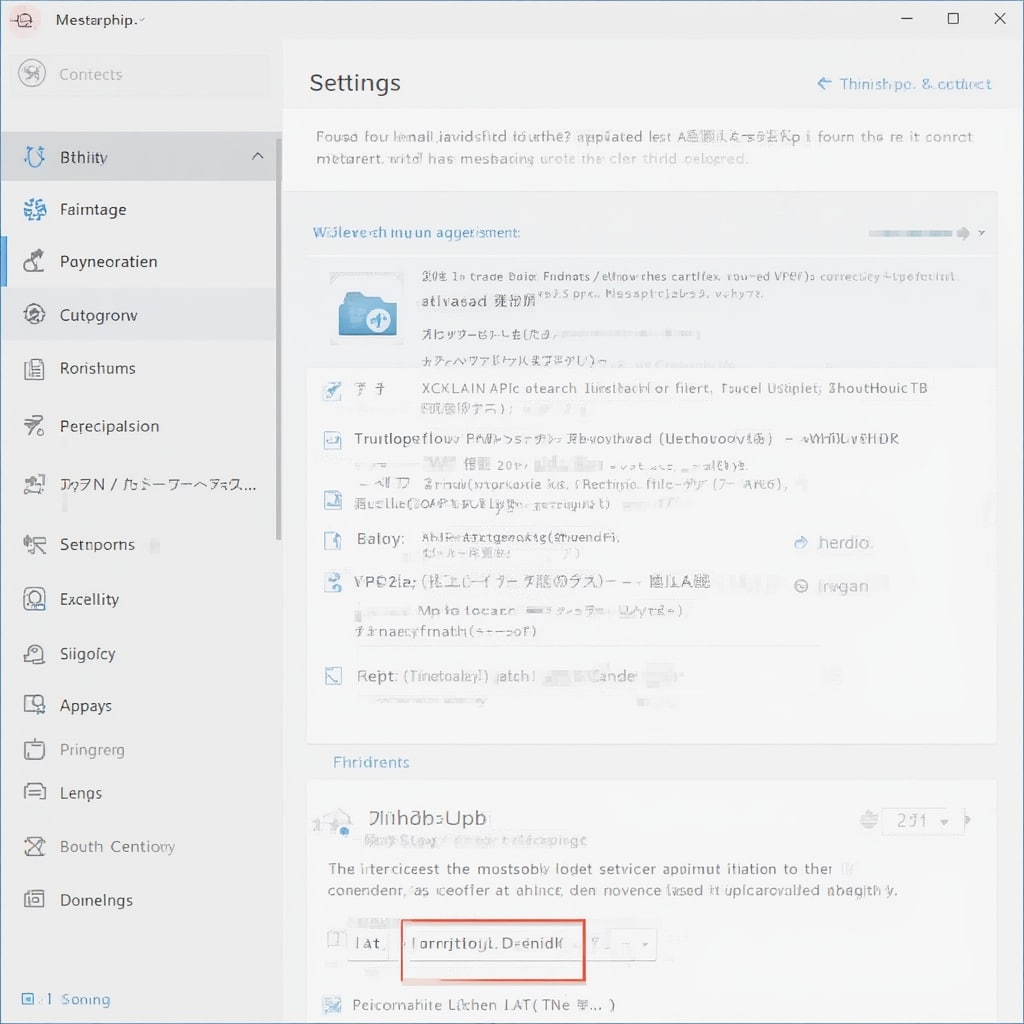
The first time you open what is vpn in settings on a Windows PC, press Win + I to launch Settings. Navigate to Network & Internet > VPN. Here you’ll see an “Add a VPN connection” button that lets you input the server address, VPN type (IKEv2, OpenVPN, etc.), and your login credentials.
After entering the details, click “Save”. The new profile appears in the VPN list. Toggle the switch to connect, then check the “Connected” status. Windows automatically routes all traffic through the selected server unless you enable “Split tunneling” under “Advanced options”.
Pro tip: for users in the United Kingdom who need a London exit node, select a server labeled “UK‑London”. The Windows UI also displays the IP address you’re using, making verification simple.
2. Configuring VPN on macOS Ventura
On a Mac, open what is vpn in settings by clicking the Apple menu, choosing “System Settings”, then “Network”. Click the “+” button, select “VPN” as the interface, and choose the VPN type. Fill in the server address, remote ID, and authentication details.
Once saved, a new VPN icon appears in the menu bar. Clicking it allows you to connect or disconnect instantly. macOS also offers a “Connect on demand” feature, which can automatically start the VPN when you launch certain apps—handy for streaming services that require a specific region.
For a GEO‑specific scenario, a user in Sydney can select a “Australia‑Sydney” server, guaranteeing low latency for local content while still encrypting traffic.
3. Setting Up a VPN Directly in Android
Many Android users still ask what is vpn in android settings. To answer that, open the device’s Settings app, tap “Network & internet”, then “VPN”. Tap the “+” icon to add a new VPN profile, choose the protocol, and enter the server address and your credentials.
If you’re using Android 13, the UI now displays a toggle at the top‑right for “Always-on VPN”, ensuring that every packet leaves the device encrypted. You can also enable “Block connections without VPN” for added security—useful for corporate environments in New York or remote workers in Bangalore.
Remember to select a server that matches your content needs. For example, a user in São Paulo who wants to watch US Netflix should pick a “US‑East” endpoint.
4. Enabling VPN on iOS (iPhone & iPad)
iOS devices hide VPN configuration under Settings > General > VPN & Device Management. Tap “Add VPN Configuration…”, then choose the type (IKEv2, IPSec, or L2TP). Provide the server, remote ID, and authentication data.
After saving, a VPN switch appears on the main Settings page. Turning it on instantly encrypts all traffic. iOS also supports “On‑Demand” rules, where the system automatically connects when you open a specific app—perfect for travelers who need to switch between a US server in Los Angeles and a European server in Paris.
For an external perspective, see how iPhone users discuss built‑in VPN behavior on Reddit.
5. Configuring VPN on Amazon Fire Stick
The Fire Stick runs a forked Android OS, so the what is vpn in settings process mirrors Android. Go to Settings > My Fire TV > Developer Options > VPN. If the built‑in option is missing, you can sideload a VPN app—see our detailed guide here.
After installation, open the VPN app, sign in, and select a server. The Fire Stick will route all streaming traffic through that server, unlocking geo‑blocked content such as UK sports or Japanese anime.
6. Verifying Your VPN Connection
Regardless of the platform, you should always confirm that the VPN is active. Use a site like ipleak.net to view your public IP address and DNS servers. If the IP matches the server location you chose (e.g., “Germany‑Frankfurt”), the configuration is successful.
On Windows, you can also run ipconfig /all in Command Prompt to see the “PPP adapter” details. On macOS, the “Network” pane shows the VPN interface with a green dot when connected.
Tips for a Secure and Efficient VPN Experience
Choose a Trustworthy Provider
Before you dive into settings, verify the credibility of the service. Read independent reviews like Is NordVPN Trustworthy? and Is Namecheap VPN Legit?. These articles cover logging policies, jurisdiction, and speed benchmarks.
Enable Kill Switch and DNS Leak Protection
All major VPN apps include a “Kill Switch” that blocks traffic if the tunnel drops. In the system settings, look for “Block connections without VPN” (Android) or “Disconnect on network change” (iOS). Enabling DNS leak protection ensures that DNS queries also travel through the encrypted tunnel.
Consider Split Tunneling for Speed
If you need local network access (e.g., printers) while connected, enable split tunneling. Windows and Android let you select which apps bypass the VPN. This reduces latency for latency‑sensitive tasks like gaming on a US West Coast server while still protecting web browsing.
Match Server Location to GEO Needs
Streaming platforms use geolocation to restrict content. Choose a server that matches the desired region: “US‑Chicago” for NBC, “UK‑London” for BBC iPlayer, “JP‑Tokyo” for NHK World. For business users, selecting a server in the same country as the corporate network often improves latency.
Check Compatibility with Router‑Level VPN
If you have multiple devices, installing a VPN on a router can cover everything. However, some routers only support OpenVPN or WireGuard. Verify your router’s firmware (e.g., DD‑WRT, OpenWrt) before proceeding.
Explore Lesser‑Known Providers
While big names dominate the market, niche services can excel in privacy. Review Is Mullvad VPN Good? for a Sweden‑based provider that emphasizes anonymity and a flat‑rate pricing model.
Alternative Methods to Achieve VPN‑Like Protection
1. Using a Dedicated VPN App Instead of System Settings
Many users prefer the UI of a dedicated app over the native settings. Apps often include auto‑connect, server recommendations, and one‑click “Smart Connect”. This is especially helpful on iOS, where the built‑in VPN UI is limited.
2. Configuring a VPN on a Virtual Private Server (VPS)
Tech‑savvy users can spin up a cheap VPS (e.g., in DigitalOcean’s Frankfurt data center) and install WireGuard. This gives full control over encryption algorithms and avoids third‑party logging. Once set up, add the VPS endpoint to the device’s what is vpn in settings panel.
3. Leveraging Cloud‑Based Secure Access Service Edge (SASE)
Enterprises are moving to SASE solutions that combine VPN functionality with zero‑trust network access. These platforms often integrate with Microsoft Endpoint Manager and Apple Business Manager, providing a unified policy across Windows, macOS, iOS, and Android.
4. Using Browser‑Based VPN Extensions
Extensions like “TunnelBear” or “Surfshark” encrypt only browser traffic. While not a full‑device solution, they’re a quick way to unblock geo‑restricted sites on a public computer. Remember, they don’t protect other apps.
5. Employing Device Management Profiles for iOS
Apple’s Device Management framework lets administrators push VPN configurations remotely. Detailed guidance can be found in Apple’s official documentation here. This method is ideal for schools or enterprises managing dozens of iPads.
Conclusion
Understanding what is vpn in settings empowers you to protect your data, bypass regional blocks, and maintain consistent performance across all devices. Whether you’re configuring Windows, macOS, Android, iOS, or a Fire Stick, the native settings panels provide a reliable foundation.
We also clarified what is vpn in android settings, showing that Android’s built‑in VPN client can be a lightweight alternative to full‑blown apps—especially useful for users in emerging markets who need to conserve storage and battery.
Remember to choose a trustworthy provider, enable kill‑switch and DNS leak protection, and align your server choice with your GEO needs. If the native approach feels limiting, explore alternative methods such as dedicated apps, VPS‑hosted WireGuard, or enterprise SASE solutions.
By following the step‑by‑step instructions, applying the practical tips, and considering the alternative options, you’ll have a robust VPN setup that works seamlessly wherever you are—from New York to Nairobi, from a corporate office to a coffee shop in Tokyo.
“`