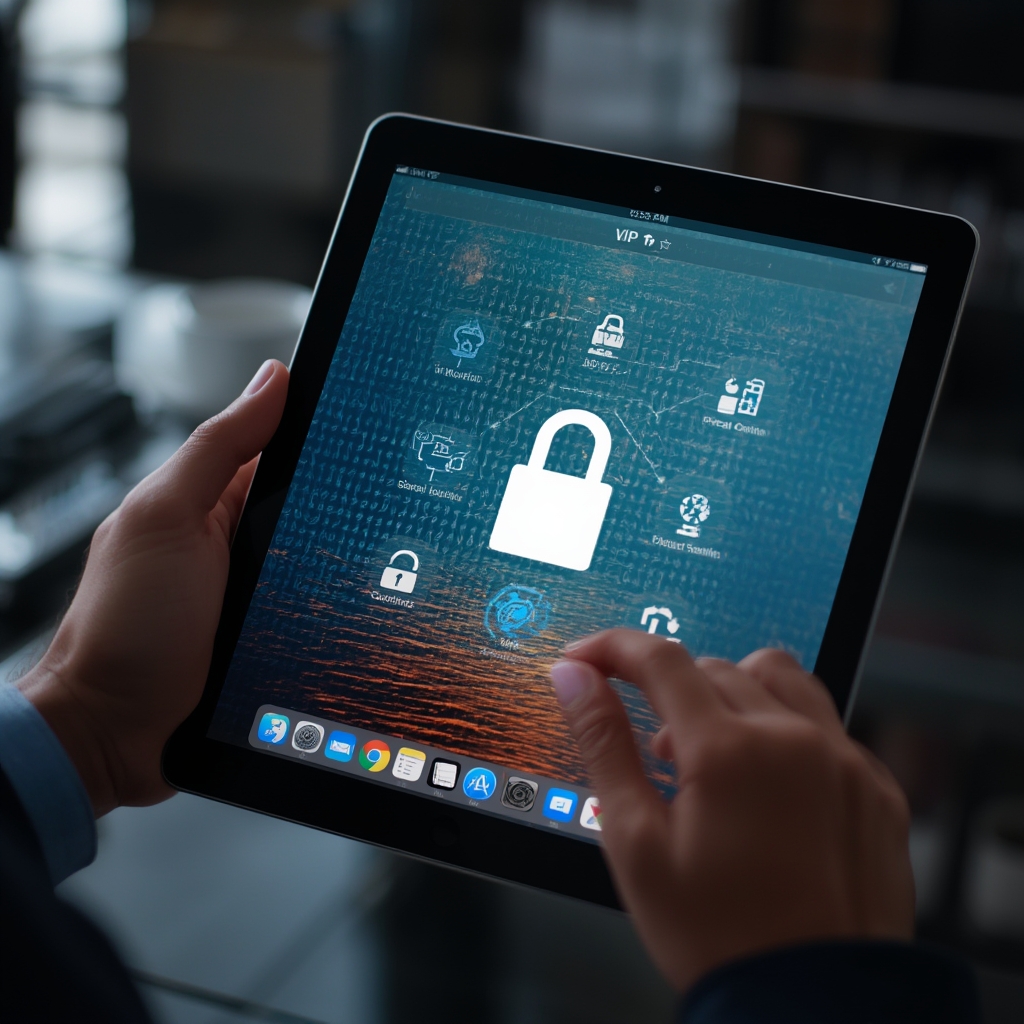

Introduction
When you first ask what is vpn on an iPad, the answer is both simple and layered: a virtual private network creates an encrypted tunnel between your device and the internet, masking your IP address and securing your data. Understanding what is vpn on an iPad helps you protect personal photos, banking details, and work‑related traffic when you travel abroad or use public Wi‑Fi.
Many users also wonder about using vpn on iPad. The process is straightforward, yet it varies by iOS version, subscription provider, and the geographic region where you need coverage. Whether you are in New York, London, or Sydney, the underlying technology remains the same, but local regulations and server locations can affect speed and accessibility.
In this guide we will explore what is vpn on an iPad from a practical perspective, walk through a detailed using vpn on iPad setup, and discuss security considerations that matter in the United States, the European Union, and the Asia‑Pacific market. The goal is to equip you with actionable steps that work regardless of where you are.
For readers looking for an external definition, Apple’s official overview explains the fundamentals of VPN deployment on iOS devices. You can read more at Apple VPN Overview. This article expands on those basics with a focus on iPad‑specific nuances.
Below you’ll find a clear breakdown of the process, from selecting a trustworthy provider to configuring the settings that align with your privacy goals. By the end of the article you’ll be confident answering what is vpn on an iPad and implementing using vpn on iPad without hesitation.
Step‑By‑Step Instructions
Before you start, make sure your iPad runs iOS 15 or later. Newer versions include built‑in VPN protocols such as IKEv2, WireGuard, and OpenVPN, which are essential for stable connections across different GEO zones.
1. Choose a Reliable VPN Provider
Not every service is created equal. Look for a provider that offers a no‑logs policy, strong encryption (AES‑256), and servers in the regions you need—whether you’re streaming US Netflix, accessing UK BBC iPlayer, or connecting to a corporate network in Singapore. For safety checks, you might compare it against resources like Is Super Unlimited Proxy VPN Safe? and Is RAV VPN Safe?.
2. Sign Up and Retrieve Your Credentials
After selecting a provider, create an account and note the username, password, and any pre‑shared keys (PSK) required for manual configuration. Many services also supply an app that automates the setup, but understanding the manual process helps when you need to configure a custom VPN profile for corporate use.
3. Open iPad Settings
Navigate to Settings → General → VPN & Device Management → VPN. Tap “Add VPN Configuration…” to start a new profile. This is where the phrase using vpn on iPad becomes concrete—each field you fill directly influences the tunnel’s security and performance.
4. Select the VPN Type
iOS supports four main types: IKEv2, IPSec, L2TP, and WireGuard (via third‑party apps). IKEv2 is recommended for its speed and stability across mobile networks, especially when you’re hopping between Wi‑Fi hotspots in airports across Europe or Asia.
5. Enter Server Information
Input the server address supplied by your provider (e.g., us-east.vpnservice.com for a US node). Choose a remote ID that matches the server’s domain and enter your authentication method—usually “Username & Password.” For extra security, enable “Use Certificate” if your provider offers it.
6. Configure Advanced Settings
Toggle “Connect On Demand” if you want the VPN to auto‑activate when accessing certain apps or domains. You can also enable “Send All Traffic” to route all data through the tunnel, which is essential when you’re traveling through countries with strict internet censorship.
7. Save and Connect
Tap “Done” to save the profile, then slide the VPN toggle to “On.” The status bar will display a VPN icon, confirming that using vpn on iPad is active. Test the connection by visiting whatismyip.com to verify your new IP location.
8. Verify DNS Leak Protection
Even with a VPN active, DNS queries can leak to your ISP. Use a tool like DNSLeakTest.com to ensure that all DNS requests resolve through the VPN’s servers. If leaks appear, enable “Private DNS” in the same VPN settings panel.
9. Optimize for Specific GEO Needs
If you need to stream content from Japan, select a Japanese server and enable “IPv6” support if your provider offers it. For business users in Germany, choose a server located in Frankfurt to minimize latency and comply with GDPR‑related data handling policies.
10. Troubleshoot Common Issues
Should the VPN disconnect frequently, verify that your iPad’s battery‑saving mode isn’t restricting background network activity. Also, check if the Wi‑Fi router you’re using blocks VPN ports; many routers have a “VPN Passthrough” toggle that must be enabled.
For a deeper dive into router‑level VPN deployment, see the article what is vpn on an iPad for a comprehensive guide.
Tips for Optimal Use
Choose the Right Server Location
Latency matters. Picking a server geographically close to your physical location often yields better speeds. For instance, a user in Toronto will experience lower ping on a Canadian server compared to a European node.
Enable Kill Switch
A kill switch prevents data from leaking if the VPN connection drops. iOS offers “Always Connected” in the VPN settings, which works as a built‑in kill switch for most protocols.
Regularly Update Your VPN App
Security patches are released frequently. Keep your VPN client up to date to protect against newly discovered vulnerabilities, especially those highlighted in Apple’s security guidance at Apple VPN Security.
Combine with a Trusted DNS Service
Using Cloudflare’s 1.1.1.1 or Google’s 8.8.8.8 as custom DNS resolvers can further reduce the chance of DNS leaks while maintaining fast resolution times.
Test Speed Before Committing
Most premium VPNs provide a free trial. Use that period to run speed tests (e.g., Speedtest.net) on servers in different regions to find the optimal balance between privacy and performance.
Alternative Methods
Using VPN Apps from the App Store
Many providers ship dedicated iOS apps that automate configuration. These apps often support “split tunneling,” allowing you to choose which apps use the VPN and which connect directly to the internet.
Manual Configuration via .mobileconfig Files
Advanced users can import a .mobileconfig profile that pre‑fills all settings, including certificates and advanced routing rules. This method is common in corporate environments where IT departments enforce specific security policies.
Router‑Based VPN for All Home Devices
Setting up a VPN on your home router extends protection to every device, including iPads, smart TVs, and gaming consoles. Learn how to do this in our guide on installing VPN on a smart TV. The same steps apply to most modern routers that support OpenVPN or WireGuard.
Browser Extensions as a Quick Fix
If you only need VPN protection for web browsing, consider reputable browser extensions that route traffic through proxy servers. However, this method does not encrypt traffic from native iPad apps, so it’s less comprehensive than a full‑device VPN.
Using Built‑In iOS Private Relay (iCloud+)
Apple’s Private Relay masks your IP address for Safari traffic but does not provide the full tunneling capabilities of a traditional VPN. It can be a complementary privacy layer when using vpn on iPad for web browsing only.
Conclusion
Answering what is vpn on an iPad goes beyond a dictionary definition; it involves understanding how encryption, server selection, and regional regulations intersect to protect your digital life. By following the step‑by‑step guide above, you now know how to configure a robust VPN profile, test for leaks, and adapt settings for specific GEO contexts such as North America, Europe, and Asia‑Pacific.
Remember that using vpn on iPad is not a one‑time setup. Regularly review server performance, keep your client updated, and stay informed about the latest security recommendations from Apple and your chosen provider. When done correctly, a VPN on your iPad becomes a seamless shield that safeguards banking, streaming, and work‑related traffic alike.
For additional peace of mind, cross‑check your provider’s safety records with resources like Is Rapid VPN Safe?. Combining these checks with the practical steps outlined ensures that your iPad remains secure whether you’re surfing cafés in Paris, streaming movies in Los Angeles, or accessing corporate resources from Tokyo.
In short, mastering what is vpn on an iPad and the nuances of using vpn on iPad empowers you to browse confidently, travel freely, and keep your personal data out of the hands of prying eyes.
“`