Introduction
In today’s hyper‑connected world, the question “when to use vpn” has become a critical decision for both personal and business users. Whether you’re protecting sensitive data on a public Wi‑Fi hotspot or bypassing geo‑restrictions to enjoy streaming content, knowing when to use vpn can save you from data leaks and digital surveillance.
Many users wonder if they need a VPN for everyday browsing. The answer is that the best time to use VPN depends on the risk level of their activity. For instance, when accessing banking sites or corporate portals from unfamiliar networks, a VPN is essential.
For the rest of the day, casual streaming or social media may not require a VPN, but the best time to use VPN can shift if you encounter regional restrictions or suspect that your ISP is throttling your bandwidth. Understanding when to use vpn helps you choose the right balance between speed and security.
In this guide, we’ll walk you through the step‑by‑step process to configure a VPN on both Android and laptop devices, share expert tips for maximizing performance, and explore alternative methods for privacy protection. By the end of this article, you’ll know exactly when to use a VPN, the best time to activate it, and how to keep your online presence secure.
Step‑by‑Step Instructions
Setting Up a VPN on Android
First, download your preferred VPN app from Google Play. For this example, we’ll use the official app from a reputable provider. Once installed, open the app and sign in with your credentials. You’ll see a “Connect” button and a list of server locations.
To determine the when to use vpn on your device, select the “Smart Connect” feature if your provider offers it. This option automatically chooses the fastest and most secure server based on your current location and network conditions.
When you click “Connect,” the VPN will create an encrypted tunnel between your device and the server. You’ll see a VPN icon in the notification bar. At this point, you can confirm that your public IP address has changed by visiting a website such as what-is-my-vpn-ip. This demonstrates the success of the tunnel and confirms that you’re now protected.
Setting Up a VPN on a Laptop
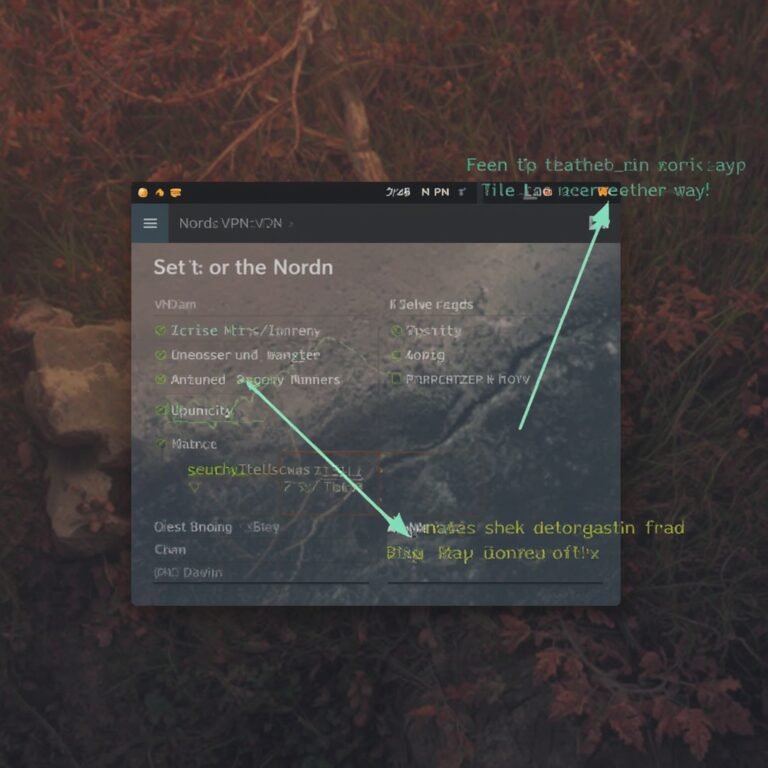
On Windows or macOS, go to the Settings or System Preferences and open the “Network & Internet” or “Network” section. Click “Add a VPN” and enter the server details provided by your VPN service. Make sure to use the protocol recommended for the highest security, such as OpenVPN or WireGuard.
After saving the profile, enable the VPN connection. Many users find that the “best time to use VPN” on a laptop is during remote work sessions or when traveling. The VPN ensures that all outgoing traffic is routed through the secure tunnel, protecting corporate data from corporate espionage.
Once connected, you can verify the VPN’s effectiveness by opening a terminal or command prompt and typing ipconfig /all (Windows) or ifconfig (macOS). Look for the VPN adapter and note the new IP address. This confirms that the traffic is encrypted and rerouted through the chosen server.
Selecting the Right Server
Choosing the correct server can greatly influence performance. For streaming, pick a server located in the same country as the content provider. For gaming, select a low‑latency server. The what-is-my-location-vpn feature can help you identify the physical location of your current server, ensuring you’re not unnecessarily far away.
Always remember that when to use vpn can be determined by network conditions. If you notice a drop in speed, try switching to a different server or enabling split tunneling to route only sensitive traffic through the VPN.
Finally, don’t forget the best time to use VPN for everyday browsing on public Wi‑Fi. The VPN will shield your credentials, browsing history, and personal data from potential eavesdroppers.
Tips
Optimizing Speed and Security
Use a wired Ethernet connection when possible, as it reduces latency. If you’re on Wi‑Fi, choose the VPN server that is geographically nearest to your router to minimize hops.
Enable “Kill Switch” functionality in your VPN app. This ensures that if the VPN connection drops, your device will automatically block all internet traffic until the tunnel is re‑established, preventing accidental data leaks.
Use the What Is a VPN? article to understand the underlying encryption mechanisms, and ensure you choose a protocol that offers a good balance between speed and security. Many providers now support WireGuard, which delivers low overhead while maintaining robust protection.
Keeping VPN On While Maintaining Performance
Some VPN services allow you to keep the connection active while you stream or game. The Keeping VPN On guide explains how to configure split tunneling and prioritize traffic, enabling you to maintain high-quality streaming without sacrificing security.
Regularly check for firmware updates on your router. Some manufacturers now integrate VPN support directly into the router, allowing you to secure all devices on the network with a single connection.
When you’re on a corporate network, the Remote Access VPN feature can be invaluable. It allows employees to connect securely to the company’s internal network from anywhere, ensuring that sensitive documents are always transmitted over a protected channel.
Alternative Methods
Using a Browser‑Based Proxy
For quick, low‑risk browsing, a browser‑based proxy can be a lightweight alternative to a full‑stack VPN. However, proxies typically only mask your IP address and do not encrypt your traffic, so they’re not a substitute for a VPN when security is paramount.
Tor Browser for Anonymity
The Tor network offers anonymity by routing traffic through multiple volunteer nodes. While Tor can be slower than a VPN, it provides excellent protection against traffic analysis. For users who need anonymity for whistleblowing or investigative journalism, Tor can be a complementary tool alongside a VPN.
Smart DNS Services
Smart DNS bypasses geo‑restrictions without encrypting traffic. It’s ideal for streaming services where speed matters more than confidentiality. However, because no encryption occurs, it’s best to use a Smart DNS only for public content and a VPN for any sensitive activity.
Conclusion
In summary, knowing when to use vpn is essential for protecting your privacy, securing data, and accessing content worldwide. The best time to use VPN typically aligns with high‑risk activities: traveling, using public Wi‑Fi, accessing corporate resources, or streaming from restricted regions.
By following the step‑by‑step instructions above, you’ll have a robust VPN setup on both Android and laptop platforms. Remember to keep your connection secure with a kill switch, choose the right server for your needs, and consider alternative tools like Smart DNS or Tor for specialized use cases.
Ultimately, the decision to use a VPN should be based on your threat model and usage scenario. When in doubt, default to a VPN connection, and you’ll always be a step ahead of potential attackers and censors. Stay safe, stay private, and enjoy the internet without borders.