
Argentina is experiencing a sudden surge in VPN use as authorities crack down on illegal streaming platforms (Argentina VPN). A recent judicial decision blocked more than 70 piracy‑linked domains tied to popular services such as Magis TV and Xuper TV, leaving millions of users without access and prompting many to seek technical workarounds like Virtual Private Networks (VPNs) to regain connectivity and protect online privacy.
This rapid shift reflects broader trends in Latin America’s fight against digital piracy and highlights how everyday internet users respond to sudden changes in digital access policies. From casual viewers to privacy‑aware citizens, VPN adoption has spiked, reshaping how people in Argentina connect online.
A Legal Crackdown Triggers a VPN Rush
The surge in VPN interest stems from a comprehensive legal measure in early February 2026, where an Argentine court ordered the permanent blocking of over 70 domain names associated with pirate streaming services, most notably Magis TV and Xuper TV. These services had become widely used because they offered access to a huge range of premium audiovisual content without proper licensing.
The judicial decision, spearheaded by Judge Esteban Rossignoli, didn’t just block websites — it also instructed Google to disable related side‑loaded applications on Android devices using Argentine IP addresses, effectively curtailing access at both the domain and app level. This enforcement is part of a broader anti‑piracy initiative known as “Operación 404,” led by the Brazilian Ministry of Justice with cooperation from regional authorities.
As a result, users who previously relied on these platforms began searching for alternate digital access paths, sparking a noticeable uptick in VPN adoption.
VPNs: The Technical Workaround and Privacy Shield
VPN tools encrypt internet traffic and mask a user’s real location by routing connections through remote servers in other countries. This allows users to sidestep geo‑based IP blocks and reclaim access to services that are no longer reachable within Argentina. According to data shared by online metrics platforms, search interest for the term “VPN” spiked dramatically immediately after the streaming blocks were enforced.
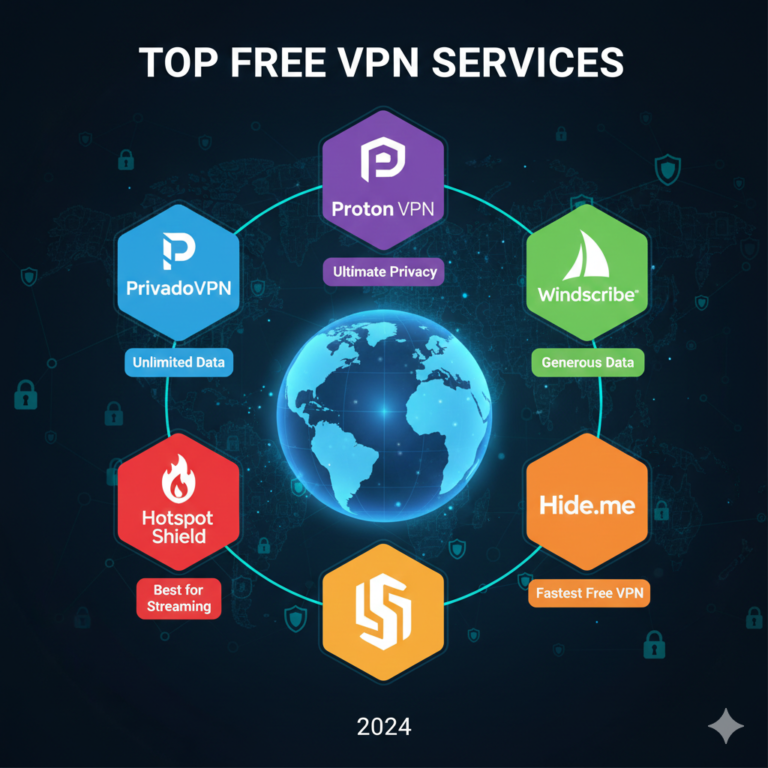
Providers like Proton VPN and Windscribe reported marked increases in downloads and sign‑ups from Argentina. Proton VPN’s general manager noted that its service became one of the most downloaded free apps in the country during this period, although he cautioned that the company’s strict no‑logs policy means it can’t see how users are employing the service.
Some users have taken advantage of these tools to access external servers and continue using their preferred apps by masking their Argentine IP, with online forums and reports describing the method of connecting to a VPN server abroad before opening the streaming application.
Legal and Security Impacts
It is important to note that VPN use is legal in Argentina, and employing a VPN for privacy protection, security on public Wi‑Fi, or accessing legitimate services is generally permitted. However, using VPNs to access pirated content may breach the terms of service of specific apps or platform providers and can carry legal and ethical implications. Experts warn users to be cautious about infringing copyright laws or exposing devices to malware from sideloaded applications.
Cybersecurity professionals also emphasize that not all VPN services are created equal. Some lesser‑known providers may pose risks to user privacy and security, potentially logging user activity or delivering mediocre protection. As a result, experts recommend choosing well‑reviewed, reputable VPN services with clear no‑logs policies and transparent privacy practices.
Understanding the Broader Context
Argentina’s enforcement action is not an isolated event — it ties into a regional crackdown on digital piracy that includes both technical blockades and legal prosecutions. The Operación 404 initiative and cross‑border cooperation reflect growing international efforts to combat IPTV piracy and protect content licensing agreements.
Meanwhile, user reaction highlights how central VPN services have become in the digital toolkit for overcoming geographic blocks and maintaining access to online content. Whether used for privacy protection, secure connectivity, or lifting IP‑based restrictions, VPNs remain a popular choice for those looking to navigate rapidly changing digital landscapes.
Conclusion
The recent judicial block of pirate streaming domains in Argentina has inadvertently fueled a surge in VPN usage across the country. With users seeking ways to maintain internet access and protect their online identities, VPN services like Proton VPN and Windscribe have seen a marked uptick in interest and adoption.
While VPN technology remains an important tool for privacy and secure browsing, choosing reputable services and understanding legal boundaries is crucial. As Argentina continues to refine its digital enforcement strategies, the role of VPNs — both as privacy safeguards and as technical workarounds — will likely remain in the spotlight.