

Introduction
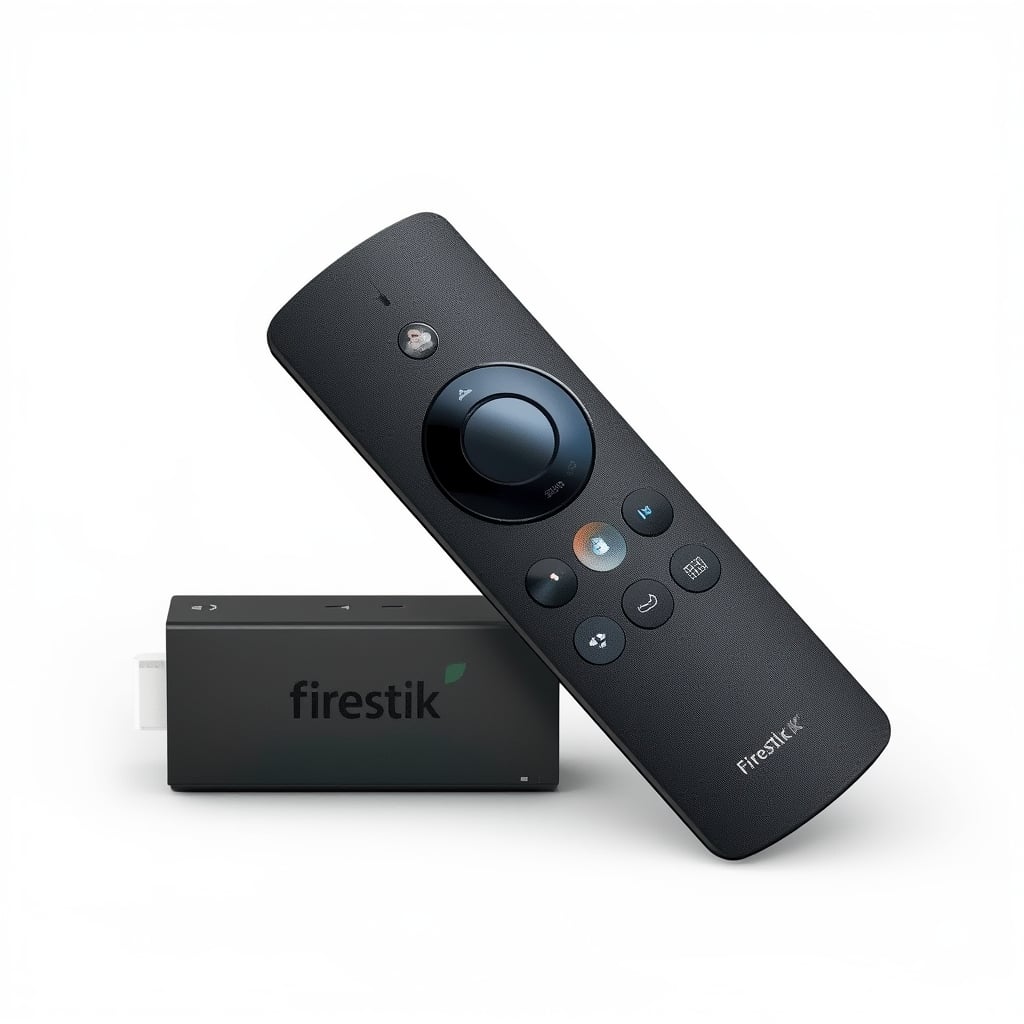
Streaming on Amazon Firestick has become a daily habit for millions, but the question do you need a vpn for firestick surfaces as soon as users travel abroad or encounter regional blocks. In this guide we’ll explore that question, unpack the benefits, and show why many experts say the answer is often yes.
When you type “do you need a vpn for firestick” into a search engine, you’ll find articles that discuss security, speed, and content accessibility. Whether you’re in New York, London, Sydney, or Mumbai, a reliable VPN can mask your IP address, protect your data on public Wi‑Fi, and let you enjoy US‑only Netflix or UK‑only BBC iPlayer.
Equally important is the query “best VPN for Firestick.” The market is crowded, but a handful of services consistently rank at the top for speed, server coverage, and user‑friendly apps that run directly on the Fire TV platform. In the coming sections we’ll reference the best VPN for Firestick and compare it with other options.
Beyond privacy, a VPN can help you bypass ISP throttling, avoid geo‑restriction penalties, and even improve streaming stability in high‑traffic regions like California’s Silicon Valley or Brazil’s São Paulo. Let’s dive into the practical steps that answer both “do you need a vpn for firestick” and “best VPN for Firestick” once and for all.
Step‑By‑Step Instructions
1. Choose the right VPN service
The first step to answering do you need a vpn for firestick is selecting a provider that supports Amazon Fire TV devices. Look for a service that offers a dedicated Firestick app, strong encryption (AES‑256), and a no‑logs policy. While many services claim to be “the best,” only a few truly deliver on speed and server variety.
When you search for “best VPN for Firestick,” you’ll notice providers that specialize in streaming, such as the one linked earlier, often include features like split tunneling and 4K‑ready servers. Check if the provider has data centers in the regions you want to access—e.g., a US West Coast server for Hulu, a UK server for BBC iPlayer, and an Indian server for Hotstar.
Once you’ve narrowed down your list, read real user feedback on forums and Reddit. For a deeper look at community sentiment, you can explore discussions like Is Nord VPN good? Reddit (internal link used once).
2. Create an account and subscribe
After picking a service, sign up on the provider’s website. Most premium VPNs offer a 30‑day money‑back guarantee, so you can test the service without risk. Use a secure payment method—credit cards, PayPal, or even cryptocurrency—to keep your financial data private.
During registration, you’ll receive login credentials and a download link for the Android TV app, which is the version optimized for Firestick. Some providers also email you a QR code that you can scan directly from your Fire TV for quick installation.
3. Install the VPN app on your Firestick
Turn on your Firestick and navigate to the “Search” icon. Type “VPN” and select the official app from the provider you chose. If the app isn’t listed, you can side‑load the APK using the “Downloader” app, but make sure you download it from the provider’s official site to avoid malware.
After installation, open the app, log in with the credentials you created, and grant the necessary permissions. The app will usually request permission to create a VPN connection—accept this prompt to allow the device to route traffic through the encrypted tunnel.
4. Connect to the appropriate server
Now answer the core of the query do you need a vpn for firestick by selecting a server that matches your streaming goals. For example, choose a US server to watch Netflix US, a UK server for BBC iPlayer, or a Japanese server for Anime streaming sites.
If you’re traveling in Europe (e.g., Paris or Berlin), connecting to a nearby European server can reduce latency and improve playback quality. Most VPN apps display latency indicators; pick a server with the lowest ping for smoother 4K streams.
5. Verify the connection
Before launching your favorite apps, confirm that your IP address has changed. Use an online tool like Security.org’s Firestick IP checker (external link used once). The page will display your new location, confirming that the VPN is active.
If the IP still shows your home country, double‑check the VPN’s connection status, restart the app, or try a different server. Some ISPs in regions like the UAE may block VPN protocols; switching from OpenVPN to WireGuard can resolve those issues.
6. Launch your streaming apps
With the VPN active, open Netflix, Hulu, Disney+, or any other streaming service. You should now have access to the content library of the server’s location. If you encounter a “VPN detected” message, enable the provider’s obfuscation or “stealth” mode, which disguises VPN traffic as regular HTTPS traffic.
Many users ask whether using a VPN can make the internet faster. While the primary goal is privacy, a well‑configured VPN can sometimes bypass ISP throttling, effectively making your streaming experience quicker. Learn more about this phenomenon at Can a VPN make your internet faster? (internal link used once).
7. Keep the VPN updated
VPN providers regularly release app updates that improve security, add new servers, and fix bugs. Enable automatic updates on your Firestick to ensure you always have the latest version. This step also helps maintain compliance with the latest streaming platform policies.
Finally, test your VPN periodically. A simple speed test (e.g., fast.com) can show whether you’re still getting optimal bandwidth after a few weeks of use.
Tips for Optimal Firestick VPN Use
Pick servers based on geography
When deciding whether do you need a vpn for firestick, remember that server proximity matters. Users in Toronto benefit from East Coast US servers, while those in Sydney enjoy Australia‑based nodes for local content.
Choosing a server in a less congested region (like a secondary European hub in Frankfurt instead of Amsterdam) can lower packet loss and improve 4K playback.
Use split tunneling for speed
Split tunneling lets you route only specific apps (e.g., Netflix) through the VPN while other traffic (e.g., software updates) goes directly through your ISP. This conserves bandwidth and reduces latency, especially in countries with slower internet infrastructure like parts of Southeast Asia.
Enable a kill switch
A kill switch automatically blocks all internet traffic if the VPN connection drops, preventing your real IP from leaking. This is crucial for privacy‑focused users in regions with strict internet monitoring, such as certain Middle Eastern countries.
Check for DNS leaks
Even with an active VPN, DNS requests can sometimes bypass the encrypted tunnel. Use a DNS leak test site (e.g., DNSLeakTest.com) while the VPN is on to ensure all queries are routed through the VPN’s DNS servers.
Consider multi‑hop connections
Some advanced VPN services offer multi‑hop routing, where traffic passes through two or more servers before reaching the internet. This adds an extra layer of anonymity—useful if you’re streaming from a high‑risk location or need to hide your VPN usage from your ISP.
Alternative Methods to Secure Your Firestick
Smart DNS services
Unlike VPNs, Smart DNS only redirects DNS queries, offering faster speeds but no encryption. This method can unblock geo‑restricted content without changing your IP, making it a lightweight alternative for users who don’t need full privacy.
However, Smart DNS cannot protect you on public Wi‑Fi or hide your browsing activity, so it’s not a complete replacement for a VPN when answering do you need a vpn for firestick in security‑focused scenarios.
Using a router‑level VPN
Setting up a VPN on your home router ensures every device, including the Firestick, automatically connects through the VPN tunnel. This approach is ideal for households with multiple streaming devices or when you want a “set‑and‑forget” solution.
Keep in mind that not all routers support VPN client mode. Look for models with OpenVPN or WireGuard compatibility, and follow the provider’s router setup guide for best results.
Tor over Firestick (advanced)
Technically possible but highly impractical for streaming due to slow speeds, routing Firestick traffic through the Tor network can provide maximal anonymity. This method is rarely recommended for video consumption but may be useful for occasional browsing on the device.
Conclusion
After exploring the question do you need a vpn for firestick in depth, it’s clear that a VPN offers significant advantages: privacy on public networks, bypassing geo‑blocks, and sometimes even faster streaming when ISPs throttle video traffic. The best VPN for Firestick combines dedicated app support, robust encryption, and a wide server network to meet the needs of users across the United States, Canada, the United Kingdom, India, and beyond.
Remember to select a reputable provider, install the app directly on your Firestick, connect to an appropriate server, and verify your new IP address. Follow the tips on split tunneling, kill switches, and DNS leak checks to maintain optimal performance and security.
If you prefer not to use a VPN app, consider Smart DNS, router‑level VPNs, or even the experimental Tor method—each has its own trade‑offs. Ultimately, the decision hinges on your specific use case: if you travel frequently, use public Wi‑Fi, or crave unrestricted streaming, the answer to do you need a vpn for firestick is a confident yes.
For further reading, you may also find these resources helpful: an analysis of torrenting performance with NordVPN at Is Nord VPN good for torrenting? (internal link), a guide on checking VPN status at Is my VPN on? (internal link), and a tutorial on using cookies safely with VPNs at How to use a VPN on Firestick (external link).
Whether you’re watching the latest Hollywood blockbuster from a hotel in Tokyo or catching up on a UK drama while staying in a Sydney hostel, a well‑chosen VPN will keep your Firestick experience seamless, secure, and truly global.
“`



