
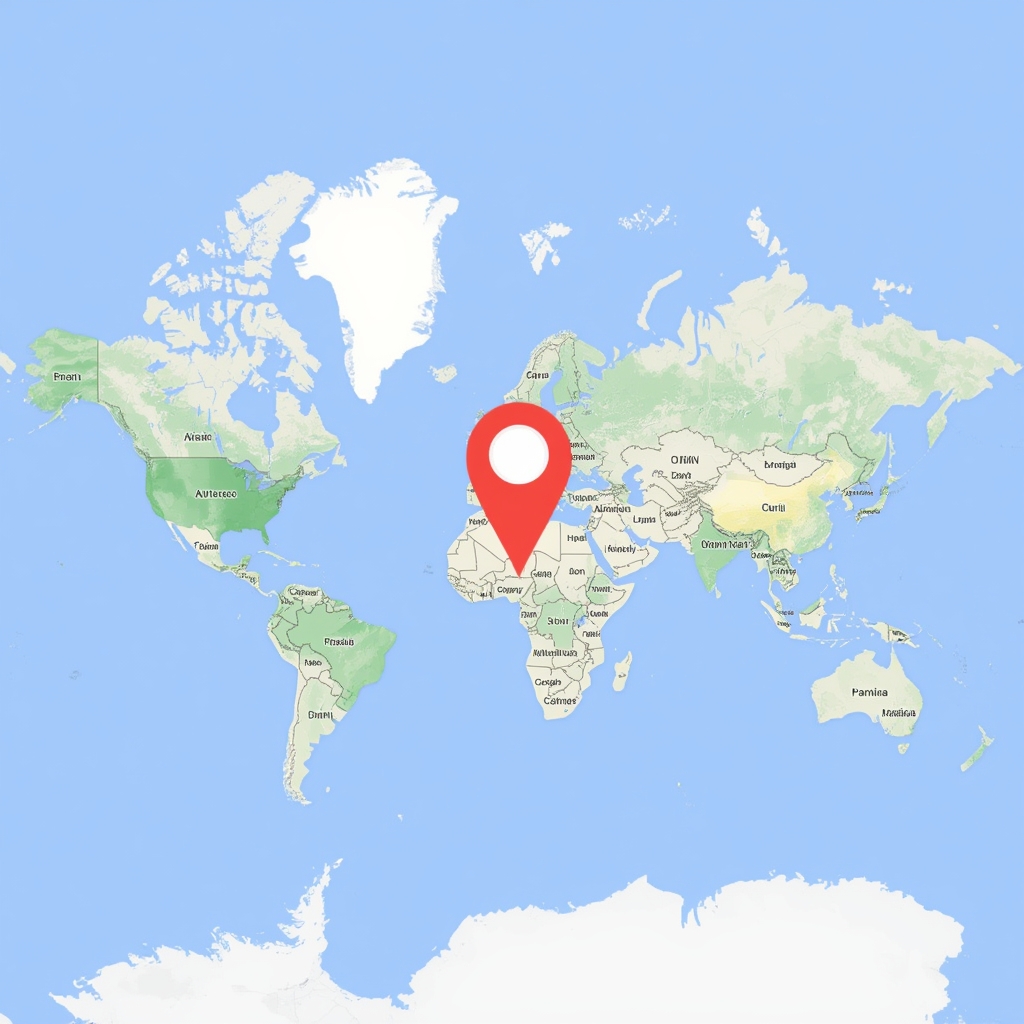

Introduction
Using a VPN can feel like a cloak that shields your online presence, yet many people wonder does vpn change your location on google maps. The answer depends on how the VPN routes traffic and whether Google Maps reads the VPN’s IP address or your device’s GPS. In practice, most VPN providers offer the ability to pick a server that places you virtually anywhere in the world.
Another common question is vpn location spoofing google maps. Some users want to see what a location looks like from a different country, while others need to bypass local restrictions on travel or property listings. While vpn location spoofing google maps is technically feasible, the experience can vary depending on your device and VPN settings.
To answer these questions, we’ll walk through a step‑by‑step guide on how to set up a VPN for Google Maps, share tips for consistent results, explore alternative methods, and conclude with best practices. We’ll also touch on privacy concerns and why a VPN can make your maps experience safer.
Remember that a VPN changes your IP address, but it does not alter the GPS signals your phone emits. Therefore, does vpn change your location on google maps is partly true for IP‑based routing and partly false for GPS‑based navigation. The next sections will clarify how to make both IP and GPS align.
In the end, you’ll understand vpn location spoofing google maps as a two‑layer process: selecting the right server for IP location and using device settings or third‑party apps to override GPS. This dual approach will let you explore new regions with confidence and safety.
Step‑by‑Step Instructions
1. Choose a Reliable VPN Provider
Start by selecting a VPN that offers a broad range of servers, high speeds, and strong privacy policies. Look for providers that explain what a VPN service is and provide clear terms of service.
When you ask does vpn change your location on google maps, the first factor is the server’s geographical location. Most VPNs let you pick a country or city. Pick a city that aligns with your desired Google Maps view.
While setting up, read how your ISP might see history with VPN. A no‑log policy ensures no local logs are kept that could reveal your activity.
2. Install the VPN Client
Download the official client from the VPN’s website. During installation, enable the “kill switch” option to prevent traffic from leaking if the connection drops.
After installation, open the app and log in with your credentials. Most providers support multiple devices, so you can use the same account on your phone, tablet, or computer.
3. Connect to the Desired Server
Choose a server that places you in the city or region you want to explore. For example, if you want to see New York from Europe, connect to a New York server.
Once connected, check the IP address by visiting an IP lookup site. Verify that the IP matches the server you selected. This confirms that does vpn change your location on google maps at the IP level.
For vpn location spoofing google maps, you’ll also need to manipulate the device’s GPS. On Android, you can use “mock location” apps. On iOS, you can use “Simulators” in Xcode or third‑party location‑spoofing apps. This step ensures the map displays the desired coordinates.
4. Verify VPN Functionality
Visit a site like our guide on how to check if your VPN is working to confirm that traffic is encrypted and your real IP is hidden.
Run a test on Google Maps: search for a place you know exists in your real location. If the map shows the wrong place, double‑check the VPN server and GPS settings.
Make sure the VPN is still connected by refreshing the page. If the map changes suddenly, the VPN might have disconnected or your device lost GPS permission.
5. Use Google Maps Safely
Now that your IP and GPS are aligned, Google Maps should display the chosen region. If you’re traveling, this can help you find local businesses or attractions that might otherwise be restricted.
Always log out of Google and other services when done, especially on shared devices, to prevent accidental location sharing.
6. Check External Resources for Best Practices
For a deeper understanding of how encryption works, visit Cloudflare’s learning portal. It explains the fundamentals of TLS and VPN protocols in an easy‑to‑read format.
Learn about privacy rights and digital security from EFF. Their resources help you understand why a VPN is essential for protecting location data.
Tips
When you ask does vpn change your location on google maps frequently, consider using a dedicated browser profile with VPN enabled. This isolates your maps usage from other apps.
Keep your VPN app updated. New updates often patch security vulnerabilities that could expose your real location.
Use DNS leak protection. Some VPNs leak DNS requests that reveal your real domain. Enable this feature in the settings to keep your searches private.
For vpn location spoofing google maps, you can also use browser extensions like “Location Guard” to override GPS data. This method is less invasive than installing a mock location app.
Try using the “Incognito” mode in Google Maps. It reduces personalized data collection, making your location harder to track even if a VPN is not used.
Check your device’s battery level. Frequent GPS spoofing can drain power quickly, especially on older smartphones.
Alternative Methods
Not everyone wants to install a VPN on every device. Here are other ways to influence Google Maps location:
- Proxy Servers – A proxy can reroute traffic but usually lacks strong encryption. Use them only if you’re comfortable with potential data exposure.
- Browser VPN Extensions – Add a VPN extension to your browser. It changes the IP for web traffic but not for native apps.
- Tor Browser – Tor routes traffic through multiple relays, providing anonymity. However, it can be slow for map rendering.
- Developer Tools – In Chrome DevTools, you can simulate GPS coordinates. This is useful for testing but not for everyday use.
- Network Address Translation (NAT) via Router – Configure your home router to use a VPN. All devices on that network will then share the VPN’s IP.
Each alternative has trade‑offs in speed, privacy, and ease of setup. A commercial VPN often offers the best balance for most users.
Conclusion
Understanding does vpn change your location on google maps starts with recognizing the distinction between IP addresses and GPS coordinates. A VPN can effectively shift your virtual presence, but only with the right server and proper device configuration.
When you combine a trustworthy VPN with GPS spoofing tools or browser extensions, you can convincingly practice vpn location spoofing google maps. This dual approach lets you explore new areas, test location‑based services, or maintain privacy while browsing.
Remember to keep your VPN client updated, enable DNS leak protection, and verify the connection with third‑party tools. By following the step‑by‑step guide above, you’ll ensure that your Google Maps experience reflects the region you’ve chosen.
In the end, the key takeaway is that a VPN changes your location on Google Maps at the IP level, while GPS spoofing aligns the device’s physical coordinates. Mastering both gives you full control over how your maps data is interpreted by services and third‑party applications.



