
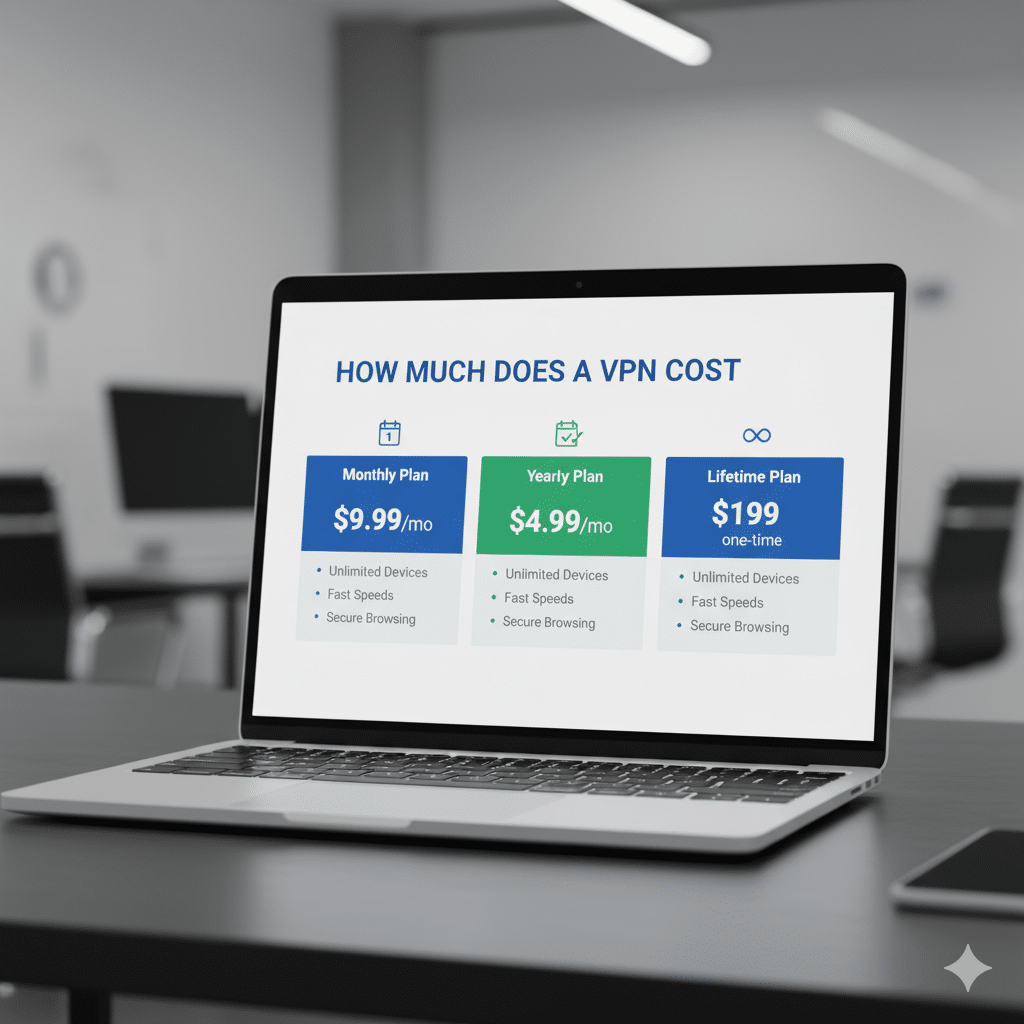

Understanding How Much Does A Vpn Cost is crucial for IT managers, network engineers, and cybersecurity professionals evaluating secure connectivity options. VPN pricing varies significantly depending on subscription duration, provider reputation, and additional security features. This guide provides an analytical breakdown of cost structures and value considerations to optimize your selection strategy.
What is the typical monthly cost of a VPN and how does subscription length impact it?
VPN pricing is often tiered based on the subscription period. Monthly plans typically range from $8 to $15 per month, whereas annual or multi-year plans can reduce the effective monthly cost to $3–$7. This discount incentivizes long-term commitments and provides a better cost-to-value ratio. Some providers offer multi-year deals that further lower monthly averages but require upfront payments. The cost-benefit analysis should factor in both operational budgets and expected usage intensity (source: TechRadar).
Why do VPN prices vary so widely between providers and plans?
Price discrepancies are primarily due to infrastructure investment, server distribution, and privacy commitments. Premium VPNs operate extensive server networks across multiple jurisdictions, maintain strict no-logs policies, and invest in proprietary security protocols, all contributing to higher costs. Conversely, budget VPNs might rely on shared servers or limited geographic coverage, which can reduce operational costs but may compromise performance or privacy guarantees.
What extra features should you expect for higher-priced VPN plans?
High-tier VPN subscriptions often include features such as:
- Multi-device support with simultaneous connections
- Advanced encryption protocols like OpenVPN, WireGuard, or IKEv2
- Kill switch functionality and DNS leak protection
- Ad-blocking, malware protection, or split tunneling capabilities
These extras provide operational resilience and security assurance for enterprises managing sensitive traffic. Some providers, like NordVPN and ExpressVPN, include proprietary features such as double VPN routing or threat intelligence integration (source: TechRadar).
How much should an enterprise or multi-user VPN arrangement cost compared to consumer plans?
Enterprise VPNs are typically priced based on the number of users, concurrent connections, and required bandwidth. Unlike consumer plans with flat monthly rates, enterprise pricing may scale from $50–$200 per user annually, depending on SLA guarantees and support level. Managed VPN services can include dedicated servers, priority support, and compliance auditing, further impacting cost. Organizations must assess both per-user and overall infrastructure costs to determine budget alignment. For SMBs, a careful evaluation of multi-user licensing versus individual subscriptions is recommended (source: Wikipedia).
What hidden costs or renewal price hikes should you watch out for when comparing VPN pricing?
Many VPN providers offer low initial rates, but renewal fees can be significantly higher. Additional costs may arise from:
- Premium protocol access (e.g., WireGuard)
- Device add-ons beyond the standard connection limit
- Data overage charges or access to specialized server locations
A transparent assessment of recurring costs is essential to avoid budget surprises. Always check the provider’s renewal policies and potential for automatic price increases.
Constraints and performance:
Performance metrics, including throughput, latency, and server availability, can vary based on device type, ISP conditions, and regional server loads. Testing under realistic conditions—simulating peak traffic and multi-device usage—is recommended before committing to high-tier plans. VPN speed and reliability may also be affected by encryption overhead, network congestion, and ISP throttling policies. Understanding these constraints ensures cost decisions are aligned with operational requirements.
When is a free VPN or budget VPN appropriate – and what trade-offs does it bring?
Free or low-cost VPNs can be suitable for non-critical browsing or temporary anonymity. However, they often impose bandwidth limits, slower speeds, and fewer server options. Privacy practices should be scrutinized, as some providers may log data or inject ads. For professional environments requiring confidentiality, investing in a reputable paid VPN mitigates these risks and ensures regulatory compliance (source: Kaspersky).
Internal Link Integration: For a detailed comparison of performance and security features, see AirVPN vs NordVPN: Which VPN Offers Better Security & Speed?
Are there any seasonal deals or discounts that affect VPN pricing?
Many VPN providers run seasonal promotions or bundle offers that temporarily reduce subscription costs. Black Friday, Cyber Monday, and New Year promotions are common opportunities to secure significant discounts on annual or multi-year plans. Additionally, some providers offer student or non-profit discounts. Evaluating these offers can lower total cost without sacrificing performance or security. However, it is essential to verify that discounted plans maintain the same privacy policies and feature sets as regular subscriptions to avoid hidden compromises.
How do VPN free trials compare to paid plans in terms of cost evaluation?
Free trials provide a short-term opportunity to evaluate speed, security, and device compatibility before financial commitment. While free trials eliminate upfront costs, they are typically time-limited (7–30 days) and may restrict access to advanced servers or features. For IT managers and network engineers, trials are valuable for testing organizational compatibility but should not be relied on for sustained protection. After evaluating trial performance, a transition to a paid plan ensures continuous security and adherence to enterprise policies (source: TechRadar).
Which factors justify paying a premium for a VPN subscription?
Premium VPN pricing is justified when enhanced privacy, robust encryption, global server coverage, and superior customer support are critical. Enterprises handling sensitive data, such as financial records or intellectual property, benefit from investing in higher-cost providers that guarantee zero-logs policies, rapid server switching, and compliance with international data protection regulations. Additionally, features like multi-hop routing and advanced threat detection are often exclusive to higher-tier subscriptions, providing both operational efficiency and legal safeguards (source: Cloudflare Learning).
Conclusion
Determining How Much Does A Vpn Cost requires a comprehensive analysis of subscription models, feature sets, and organizational needs. Monthly, annual, and multi-year plans vary widely, with enterprise and premium tiers commanding higher fees due to added features, performance guarantees, and privacy assurances. By considering hidden costs, renewal rates, and infrastructure constraints, IT managers and cybersecurity professionals can select a VPN that balances budget with security, reliability, and operational efficiency.
Internal Link Integration: For guidance on configuring secure multi-tunnel connections, see what is a vpn concentrator: Secure Multi-Tunnel VPN Device.



