

Introduction
In today’s digital landscape, protecting your personal data while staying online has become more critical than ever. Whether you’re working remotely, streaming content, or simply browsing the web, a Virtual Private Network (VPN) offers a shield against eavesdroppers, censorship, and bandwidth throttling. This guide will walk you through the process of how to add vpn configuration on iphone step by step, and will also explore the broader concept of setup vpn on iphone to give you a comprehensive understanding of the topic. By following these instructions, you’ll be able to safeguard your privacy whether you’re in the United States, the European Union, or any other region that values online freedom.
Many users are curious about whether a VPN actually masks their IP address. The answer is clear: a properly configured VPN does hide your IP address, creating a new one that belongs to the server you choose. However, this benefit comes with its own set of considerations, such as potential performance changes or the need to verify that the VPN is truly functioning. For those wondering how do I know if VPN is working, there are simple checks and tools that can confirm the effectiveness of your connection.
When selecting a VPN service, it’s essential to understand what a VPN actually does and how it can help you maintain privacy online. The meaning of VPN encompasses more than just encryption; it also involves routing traffic through secure servers to bypass restrictions. A well‑chosen VPN can also provide reliable performance, even in restrictive environments like China, where certain VPNs might face blocking attempts.
With this foundation, let’s dive into the detailed steps required for installing and configuring a VPN on your iPhone, ensuring you’re ready to navigate the internet safely and confidently.
Step‑by‑Step Instructions
1. Choose a Reputable VPN Provider
Before you start, select a provider that aligns with your privacy goals and geographical needs. Look for strong encryption, a strict no‑log policy, and a reliable server network. If you’re in China, check whether your chosen VPN is proven to work in that country.
2. Install the VPN App or Access the Manual Configuration
Most VPNs offer a dedicated iPhone app. Download it from the App Store and sign in with your credentials. If you prefer manual setup, follow the official iOS manual configuration guide found at UP Digital’s manual configuration guide. This alternative method allows for greater control over server selection and connection settings.
3. Add a VPN Profile to Your iPhone
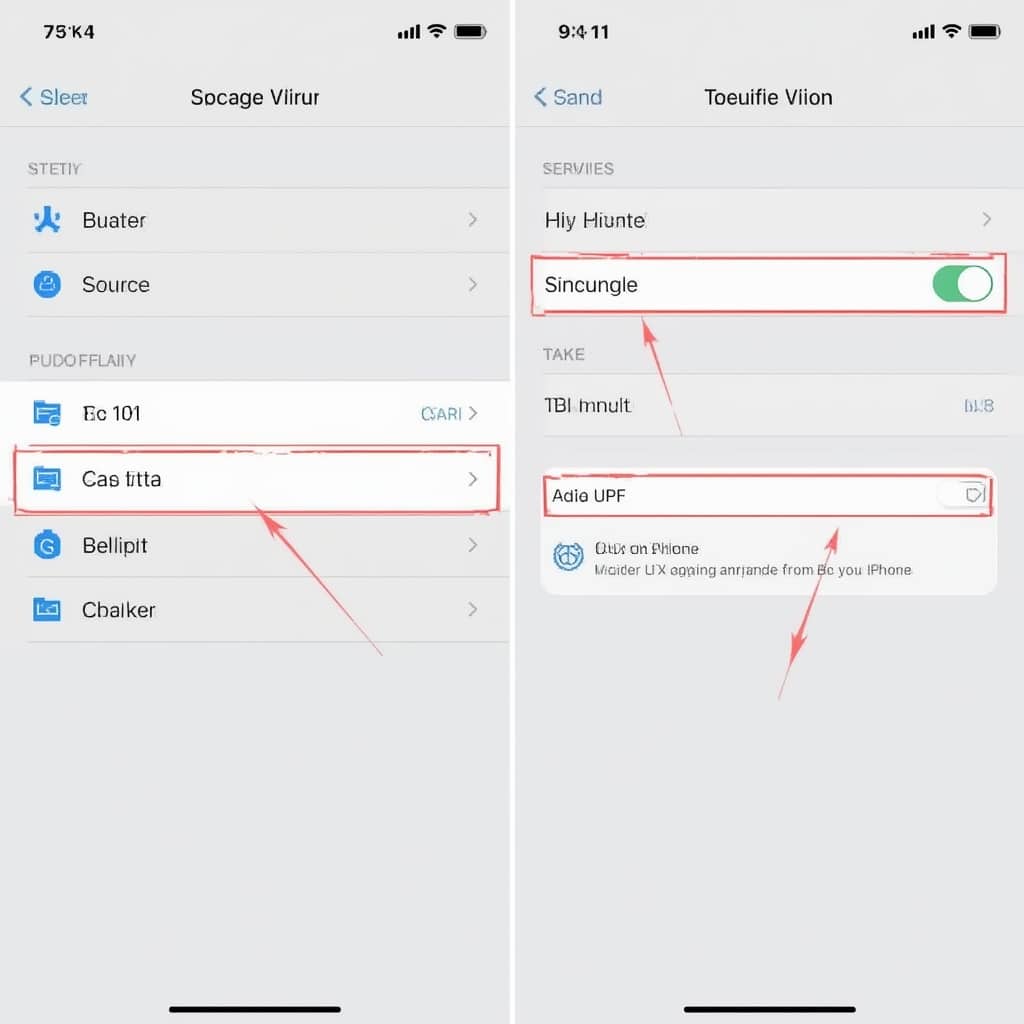
Open the Settings app, tap “General,” and then choose “VPN.” Tap “Add VPN Configuration.” Here you’ll enter the type (IKEv2, IPSec, or L2TP), server address, remote ID, local ID, and authentication credentials. Fill these fields accurately based on the details provided by your VPN provider.
4. Enter Your VPN Credentials
Under “Authentication Settings,” input the username and password. Some providers use a pre‑shared key (for L2TP) or a certificate (for IKEv2). Ensure that the password is stored securely, using the iPhone’s secure enclave if possible.
5. Configure Advanced Options (Optional)
In the same screen, you can toggle “Disconnect on Idle,” “Send All Traffic,” and “Override Proxy.” “Send All Traffic” ensures that every packet goes through the VPN, providing maximum privacy. “Disconnect on Idle” can be useful if you want to avoid unnecessary battery drain.
6. Save and Activate the VPN
After filling out all fields, tap “Done.” Your new VPN profile appears under “VPN.” Toggle the switch next to the profile to activate it. A green “Connected” status indicates that the VPN is running.
7. Verify the Connection
Use a browser to visit a site that displays your IP address, such as “whatismyip.com.” Confirm that the displayed IP matches the server location you selected. For deeper verification, you can use specialized tools to test for DNS leaks or confirm the encryption strength.
8. Manage Multiple VPN Configurations
If you need to switch between servers or providers, add each as a separate profile. Then, simply toggle the appropriate profile on or off. This approach allows you to maintain flexibility without having to uninstall apps.
9. Troubleshoot Common Issues
Should the VPN fail to connect, double‑check the server address and credentials. Verify that your cellular or Wi‑Fi network isn’t blocking VPN ports. If you’re still stuck, consult the support page of your provider or use the Verizon support resource at Verizon’s VPN troubleshooting guide.
10. Keep Your VPN Updated
Regularly update your VPN app and iOS firmware. Updates often contain critical security patches and performance improvements. Enabling automatic updates ensures you stay protected without manual intervention.
11. Understand Your VPN’s Effectiveness
If you’re unsure whether your VPN is fully protecting you, perform a quick test. Visit “https://vpnx.blog/how-do-i-know-if-vpn-is-working” to run a comprehensive test that checks for IP leaks, DNS leaks, and other vulnerabilities. A clean result means your VPN is functioning as intended.
12. Explore Alternative Protocols
While IKEv2 and L2TP are popular, other protocols like WireGuard are gaining traction due to their speed and security. Some VPN providers offer native WireGuard support on iOS, which can be added via the app or manual configuration.
13. Combine VPN with Other Privacy Tools
Enhance your security by using a reputable ad‑blocking app, enabling Safari’s “Prevent Cross‑Site Tracking,” and regularly clearing browser cookies. Together, these practices minimize data exposure while connected to a VPN.
14. Monitor Data Usage and Battery Life
VPNs consume additional battery and data. Keep an eye on your device’s battery percentage and cellular data usage in Settings > Cellular. Adjust the “Send All Traffic” setting if you notice significant battery drain.
15. Learn About VPN Legality and Local Laws
In some jurisdictions, using a VPN may be restricted or monitored. Familiarize yourself with the local laws regarding VPN usage, especially if you travel between countries with varying privacy regulations.
16. Maintain Your VPN’s Security Credentials
Change your VPN password at least once a month. For added security, use a password manager to generate and store strong, unique passwords for each service.
17. Use the “Allow VPN” Option for Specific Apps
In iOS 14 and later, you can set “App VPN” to allow only selected apps to use the VPN connection. This feature is useful if you want to maintain privacy for sensitive apps while allowing others to bypass the VPN for speed.
18. Reset Your VPN Profile if Needed
If the VPN profile becomes corrupted, delete it in Settings > VPN and then re‑add the configuration. This simple reset often resolves connectivity issues.
19. Seek Community Support
Many users share insights on forums, such as the Apple Discussions thread about setup vpn on iphone. These community discussions can offer troubleshooting tips that might not be found in official documentation.
20. Plan for Future Needs
As you grow more comfortable with VPNs, consider advanced features like split tunneling, dedicated IPs, or multiple VPN tiers. These options provide finer control over traffic routing and privacy levels.
Tips
Using a VPN on a mobile device can enhance privacy, but there are practical tips to get the most out of it. First, always enable “Send All Traffic” if you’re concerned about leaks; otherwise, your device may still route some traffic outside the VPN. Second, check your device’s firewall settings and make sure no third‑party apps are blocking the VPN ports. Third, consider using a reputable ad‑blocker to prevent malware that could compromise your device while connected to the VPN.
For users who frequently travel, keep a list of preferred servers for each region. This pre‑configuration speeds up the connection process and reduces the chance of connecting to an unexpected server. Also, remember that VPN performance can fluctuate based on server load; using a server closer to your physical location usually provides better speeds.
Another helpful trick is to enable “Auto‑Connect” on your VPN app, which forces the VPN to start automatically whenever you connect to Wi‑Fi or cellular. This ensures you never forget to activate the VPN before accessing sensitive information.
When your battery starts to deplete quickly, switch to a less power‑hungry protocol like IKEv2. WireGuard and OpenVPN can be more demanding on the processor, leading to faster battery drain. Adjusting the protocol based on usage can balance privacy and battery life.
Finally, always keep a backup of your VPN credentials and profile settings. Exporting the configuration or noting the details in a secure password manager ensures you can re‑establish your VPN quickly if you switch devices or reset your phone.
Alternative Methods
While the native iOS VPN settings provide a straightforward way to add a VPN configuration, there are alternative approaches that might suit advanced users or those with specific needs. The first alternative involves using a third‑party VPN app that offers a more user‑friendly interface and additional features like ad blocking or DNS leak protection. These apps typically handle all the configuration details behind the scenes, reducing the chance of user error.
The second alternative is to use a corporate or enterprise VPN solution. Many organizations provide their employees with a custom VPN profile that includes additional security layers such as two‑factor authentication or device compliance checks. These profiles often require a separate installation of a device management app, but they offer a higher level of security for corporate data.
For users who prefer a zero‑trust approach, a zero‑touch VPN configuration via Mobile Device Management (MDM) can be employed. MDM allows IT administrators to push VPN settings to multiple devices automatically. This method is ideal for large fleets of devices, ensuring consistent configuration across all endpoints.
If you’re a developer or power user, you can script VPN configuration changes using Apple’s Network Extension framework. This approach offers granular control over routing, allowing you to create complex rules for how traffic flows through the VPN. However, it requires a solid understanding of iOS networking and Swift programming.
Another alternative is to use a VPN service that supports the WireGuard protocol natively on iOS. WireGuard offers high performance and lower power consumption compared to older protocols. The dedicated WireGuard app can be added via the App Store and configured with minimal effort.
Lastly, some users prefer a “VPN‑over‑Wi‑Fi” setup. This involves connecting to a Wi‑Fi network that already routes traffic through a VPN, such as a public Wi‑Fi at a coffee shop with integrated VPN services. This can be handy in environments where the device’s own VPN configuration is restricted.
Each of these alternatives comes with its own set of trade‑offs, whether they’re related to security, performance, or ease of use. Choosing the right method depends on your specific requirements, technical comfort level, and the environment in which you operate.
Conclusion
Implementing a VPN on your iPhone is a powerful step toward protecting your online privacy. By mastering the how to add vpn configuration on iphone process, you gain control over your digital footprint and reduce exposure to potential threats. The guide above covered everything from initial provider selection to advanced configuration and troubleshooting. Remember to verify that your VPN hides your IP address, confirms it’s functioning properly, and stays compliant with local regulations.
Beyond the technical steps, consider the broader implications of using a VPN—whether for business, entertainment, or personal safety. By regularly testing your connection, updating your software, and staying informed about the latest privacy tools, you’ll maintain a secure and efficient online experience.
Finally, the process of setup vpn on iphone is not a one‑time task but an ongoing practice. Keep an eye on new VPN protocols, monitor battery usage, and adjust your settings as your needs evolve. With these best practices in place, you can confidently navigate the digital world, knowing your data remains private and secure.



