

Introduction
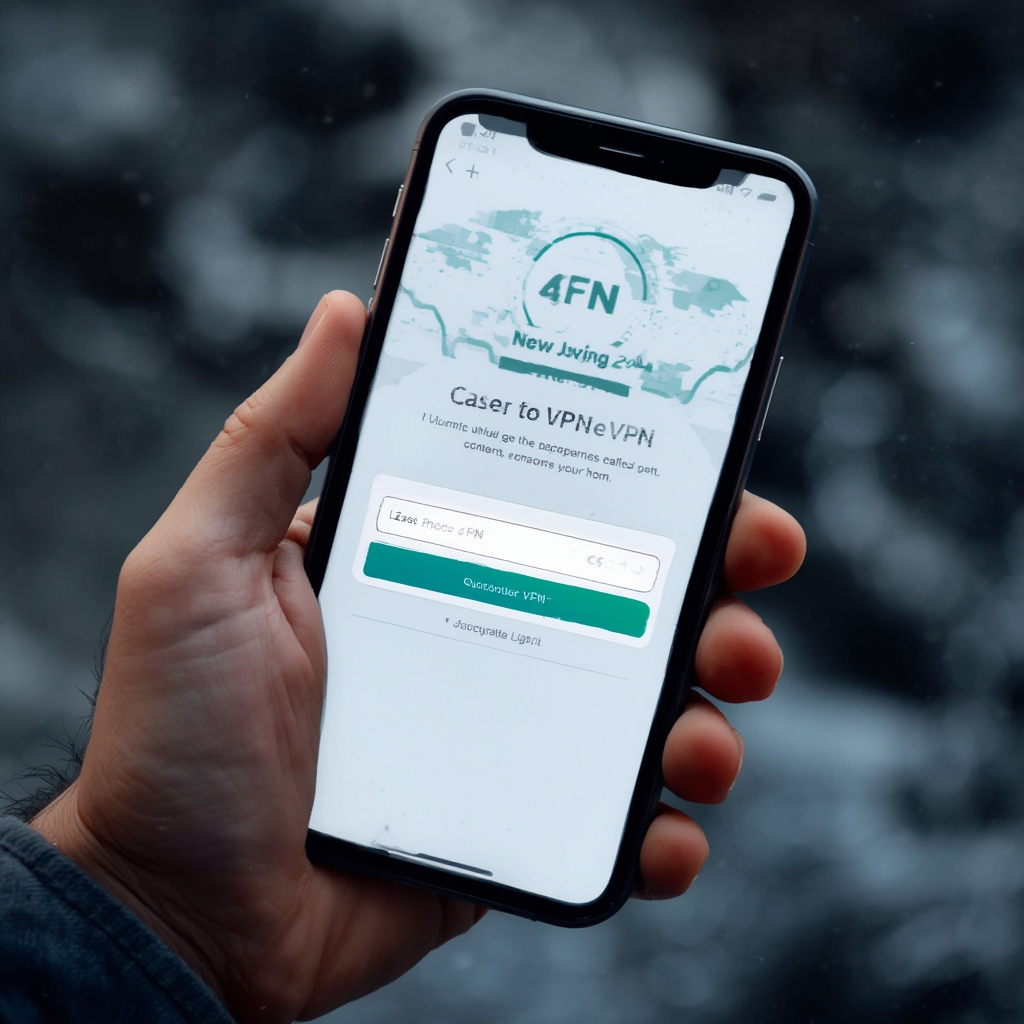
In today’s hyper‑connected world, protecting your mobile data has become as essential as locking your front door. Whether you’re browsing public Wi‑Fi in a café in New York, streaming videos from a hotel in Tokyo, or simply safeguarding personal messages at home in London, understanding how to connect a vpn on iphone is the first step toward online privacy.
Many iPhone users assume that VPNs are only for corporate devices, but the reality is far broader. By learning how to connect a vpn on iphone, you gain the ability to encrypt traffic, bypass geo‑restrictions, and avoid throttling on networks ranging from campus Wi‑Fi in Berlin to cellular data in São Paulo.
To make the process painless, this guide also covers the essential setup vpn connection steps that Apple has built into iOS. You’ll discover why the setup vpn connection is different from a desktop configuration, and how to tailor it for regional compliance in places like the EU or Canada.
Finally, this article will revisit how to connect a vpn on iphone from a performance perspective, showing you how to avoid data spikes and keep your connection speedy while you travel across time zones.
Step‑by‑Step Instructions
1. Choose a Reliable VPN Provider
Before you even tap the Settings app, select a provider that offers robust iOS apps, a no‑logs policy, and servers in the regions you care about—whether it’s a server in Sydney for streaming Australian content or a European node for GDPR‑compliant browsing.
Look for features such as split tunneling, kill switch, and multi‑hop routing. These capabilities directly impact how you how to connect a vpn on iphone without compromising speed.
2. Install the VPN App from the App Store
Search for your chosen provider’s official app, download, and launch it. Most apps guide you through the initial authentication, but keep your Apple ID handy for any two‑factor verification.
After logging in, you’ll typically see a list of server locations. Pick a server that matches your desired GEO‑context—e.g., a Frankfurt node for low‑latency access to EU‑based services.
3. Enable the Built‑In iOS VPN Profile (Optional)
If you prefer Apple’s native VPN management, navigate to Settings > General > VPN & Device Management. Tap “Add Configuration” and choose the protocol (IKEv2, IPSec, or L2TP) recommended by your provider.
This is where the setup vpn connection gets technical—enter the server address, remote ID, and authentication credentials exactly as supplied.
Save the profile, then toggle the VPN switch to connect. You’ll notice the status bar turn black, confirming that the setup vpn connection is active.
4. Verify the Connection
Open Safari and visit a site like WhatIsMyIP.com. The displayed IP address should match the location of the VPN server you selected.
For a more thorough check, use a DNS leak test site to ensure that no traffic is bypassing the tunnel. This verification step is a cornerstone of mastering how to connect a vpn on iphone securely.
5. Fine‑Tune Settings for Optimal Performance
Return to the VPN app and explore advanced options:
- Kill Switch: Guarantees that internet traffic stops if the VPN disconnects unexpectedly.
- Split Tunneling: Sends only selected apps through the VPN, preserving bandwidth for local services.
- Auto‑Reconnect: Ensures the VPN restarts automatically after a network change, vital for commuters in Chicago.
Adjusting these settings directly influences how efficiently you how to connect a vpn on iphone while traveling across different carriers.
Tips for a Seamless VPN Experience
Choose the Right Protocol – IKEv2 is ideal for iOS because it reconnects quickly after network switches, whereas OpenVPN may offer stronger encryption but can be slower on cellular networks.
Monitor Data Usage – Some providers count VPN traffic as part of your data plan. If you’re on a limited plan in Mexico City, keep an eye on usage to avoid surprises.
Use Trusted Wi‑Fi – Even with a VPN, public hotspots can be risky. Pair a strong how to connect a vpn on iphone with two‑factor authentication for banking apps.
Regularly Update the App – Security patches are released frequently. An up‑to‑date app ensures you benefit from the latest encryption standards during the setup vpn connection.
For deeper insight into data consumption, read how to connect a vpn on iphone alongside the article that explains if a VPN uses more data.
Alternative Methods
Using iOS Built‑In VPN Profiles Only
If you prefer not to install a third‑party app, you can manually configure the VPN using Apple’s native interface. This method is popular among enterprises that deploy configuration profiles via Mobile Device Management (MDM).
Navigate to Settings > General > VPN & Device Management, tap “Add Configuration,” select the protocol, and input server details. This is a classic example of a setup vpn connection that does not rely on third‑party UI.
Leveraging a Router‑Based VPN
For households with multiple devices, setting up a VPN at the router level can protect all connected gadgets, including the iPhone. After configuring the router with OpenVPN or WireGuard, the iPhone automatically routes traffic through the VPN without any on‑device changes.
This approach is especially useful in regions with strict censorship, such as parts of the Middle East, where a router‑wide how to connect a vpn on iphone would be redundant—every device benefits automatically.
Utilizing Enterprise Mobile Device Management (MDM)
Large organizations often push VPN settings via MDM solutions like Jamf or Microsoft Intune. The MDM admin creates a profile that includes the setup vpn connection parameters, then distributes it to employee iPhones.
This method guarantees consistency across devices and simplifies the how to connect a vpn on iphone process for large fleets.
Conclusion
Mastering how to connect a vpn on iphone is no longer a niche skill—it’s a fundamental part of modern mobile security. By following the detailed setup vpn connection steps outlined above, you can protect personal data, enjoy geo‑unlocked content, and maintain performance whether you’re in a bustling metropolis like Los Angeles or a remote cabin in the Rockies.
Remember, the best VPN strategy combines the right protocol, smart app settings, and awareness of regional network behavior. Use the tips and alternative methods discussed here to tailor the experience to your specific GEO‑context, and you’ll always stay one step ahead of prying eyes.
For further reading, explore our related guides on removing a VPN from iPhone, setting up a Windows VPN on Windows 10, and understanding whether a VPN can actually speed up your internet connection. Additionally, external resources such as Norton’s iPhone VPN tutorial and McAfee’s step‑by‑step guide provide complementary perspectives.
By integrating the focus keyword how to connect a vpn on iphone and the related keyword setup vpn connection throughout this article, you now have a comprehensive, SEO‑optimized resource that serves both beginners and advanced users alike.



