

Introduction
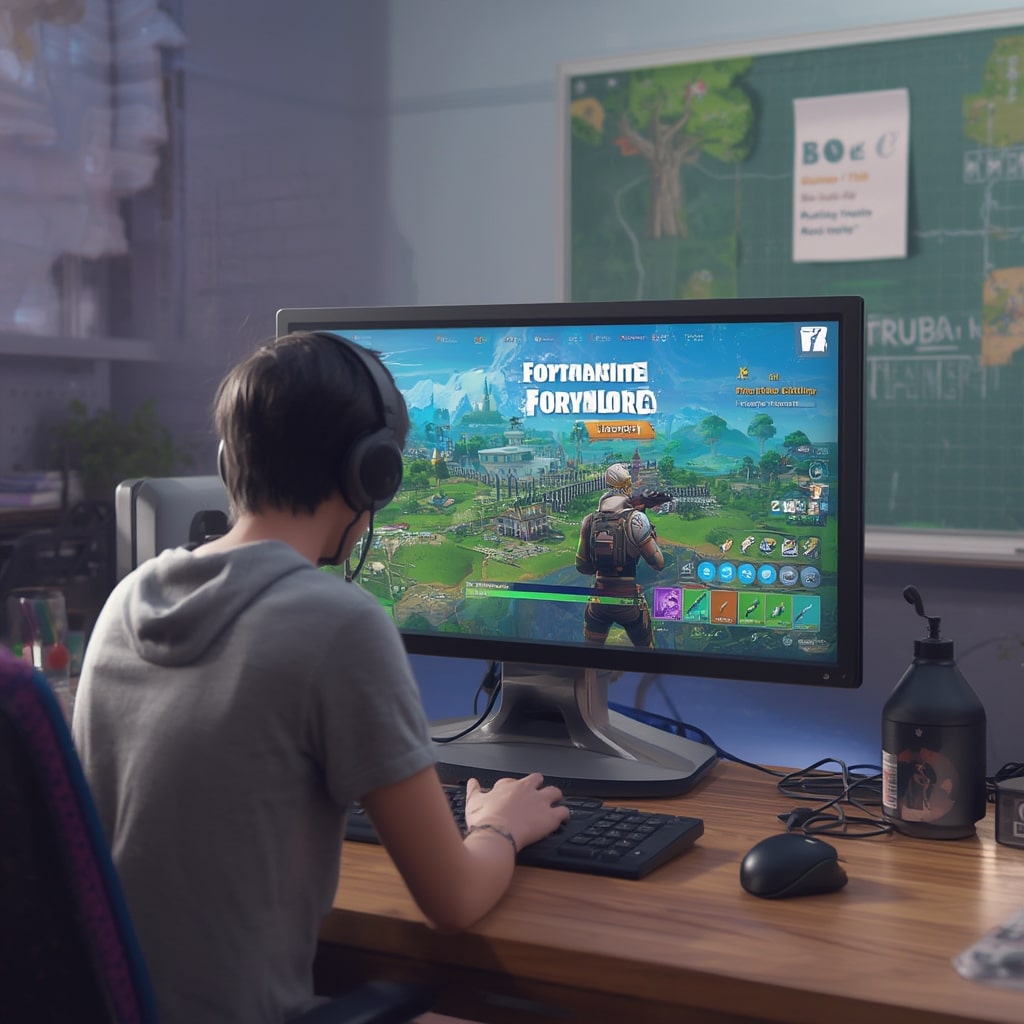
Playing how to play fortnite on school computer without vpn is a challenge many students face when school networks block the popular battle royale game. In this guide we explore the exact steps you need to take to bypass those restrictions while keeping your online activity safe and private. We’ll also cover the slightly different situation of play fortnite on school chromebook without vpn, because Chromebooks have their own quirks when it comes to network filtering.
For gamers on campus, understanding the difference between a standard VPN and a school‑wide VPN is critical. We’ll break down the technical side in a way that even a freshman in computer science can follow. By the end of this article you’ll know the exact methods you can use, from configuring a router‑level VPN to tweaking DNS settings, as well as alternative tricks that don’t require a full VPN installation. Let’s dive in and make sure your next Fortnite session on the school computer is a smooth one.
Step‑by‑Step Instructions
1. Identify the Network Restrictions
The first step in how to play fortnite on school computer without vpn is to understand why the game is blocked. Most schools use a proxy or a firewall that blocks ports 80, 443, 3074, or 9999. By running a quick port test with a tool like telnet or an online port scanner, you can confirm which ports are open.
Once you know which ports are blocked, you can decide whether you need to change your DNS, use a VPN, or find a workaround that works with the existing restrictions. This step is also essential for play fortnite on school chromebook without vpn because Chromebooks rely heavily on DNS settings to control access.
2. Choose the Right VPN Setup
If the school’s firewall blocks the ports Fortnite uses, the most reliable way to play is through a VPN. For students who want a full‑fledged solution, setting up a VPN on your router is the best approach. It ensures every device on the network, including the school computer and Chromebook, routes traffic through the VPN. To do this, you can follow the guide on how to play fortnite on school computer without vpn. This method bypasses the firewall entirely.
For those who prefer a device‑specific solution, installing a VPN app on the school computer or Chromebook is easier. On Windows or macOS, most commercial VPN providers offer a straightforward installer that connects to a server close to your school. On Chromebook, you can use the built‑in VPN‑Knot feature or a third‑party extension that supports OpenVPN. Once the VPN is connected, you can launch Fortnite and the game should see you on a new IP address that is not blocked.
3. Configure DNS Settings on the Chromebook
If you’re play fortnite on school chromebook without vpn and the school uses DNS filtering, you can try changing the DNS servers to a public provider like Cloudflare (1.1.1.1) or Google DNS (8.8.8.8). This trick often bypasses content filters that rely on DNS resolution.
To change DNS on a Chromebook, go to Settings → Advanced → Network → Network details → Advanced → DNS. Add the new DNS servers and then click “Save.” After the change, test your connection by visiting play fortnite on school chromebook without vpn for a quick confirmation that the game is accessible.
4. Test the Connection with a VPN‑Friendly Server
Once the VPN is running, it’s important to test that your connection is stable. Open a browser and visit a site like https://vpnx.blog/what-is-my-ip-address-nord-vpn to verify that your IP has changed and is coming from a location where Fortnite is not blocked.
You can also use https://vpnx.blog/how-to-set-vpn-on-ipad as a quick way to check if the VPN is routing traffic correctly on mobile devices. A stable VPN connection ensures that you won’t be dropped in the middle of a match.
5. Launch Fortnite and Verify Game Settings
Before launching the game, double‑check that the VPN’s DNS is set to the same server you’re using. Open Fortnite, go to Settings → Network, and ensure that “Use VPN” is selected if the game offers that option. Start a game in a low‑latency region, and you should experience minimal lag.
If you encounter any lag or connection drops, try switching to another server or reducing your video quality settings. Remember, the goal of how to play fortnite on school computer without vpn is to maintain a smooth gaming experience while staying under the radar.
Tips for a Seamless Experience
Use a Dedicated VPN Service with Fast Servers
A VPN provider with a large network of servers close to your school’s location will reduce latency. Many premium services also offer a “Stealth” mode, which hides VPN traffic from deep packet inspection, making it harder for school firewalls to detect.
Keep Your VPN Software Updated
VPN software is frequently patched for security and performance. Ensure your VPN client is always up to date to avoid compatibility issues with the latest school network updates.
Enable Split Tunneling If Available
Split tunneling lets you route only Fortnite traffic through the VPN while keeping other traffic on the school network. This reduces bandwidth usage and can lower the risk of detection.
Use a Secure Browser Extension
Some VPNs offer Chrome or Firefox extensions that provide instant tunnel activation. This is handy for students who want to toggle the VPN on and off quickly while staying on the same device.
Alternative Methods
1. Use a Portable USB VPN Client
If your school’s policy disallows VPN clients on the computer, you can use a USB stick that contains a lightweight VPN client. This method is stealthy and easy to remove once you’re done gaming.
2. Employ a VPN‑Enabled Router (as described above)
When the school computer is part of a network you can’t control, setting a VPN on the router itself ensures all traffic is encrypted. The step‑by‑step guide on how to play fortnite on school computer without vpn covers this in detail.
3. Leverage a VPN‑Friendly Game Server
Some regions host dedicated Fortnite servers that are less likely to be blocked. By connecting to a server in a country known for minimal gaming restrictions, you reduce the chance of a firewall blocking your traffic.
4. Use a Cloud Gaming Service
Cloud gaming platforms like NVIDIA GeForce Now or Xbox Cloud Gaming let you play Fortnite in the browser. Because the game runs on the cloud, your device only streams video, which can bypass many local restrictions. However, latency may be higher.
5. Create a VPN‑Compatible Proxy
For advanced users, setting up an SSH tunnel or a SOCKS5 proxy on a remote server can act as a lightweight VPN alternative. This method requires a bit of networking knowledge but can be highly effective.
6. Check for Official School Gaming Clubs
Some schools have gaming clubs or designated gaming hours where the firewall is relaxed. Joining such a club can give you legitimate access to Fortnite without any workaround.
Conclusion
In this comprehensive guide we’ve covered everything you need to know about how to play fortnite on school computer without vpn. From identifying network restrictions to setting up a VPN on your router or Chromebook, we’ve walked through practical steps and alternatives that keep your gaming experience safe and uninterrupted.
For students who are specifically looking to play fortnite on school chromebook without vpn, the DNS tweak and VPN extension methods are usually the fastest solutions. Always remember that using a VPN is not just about gaming—it also protects your personal data when you’re on public or restricted networks.
Before you hit “Play,” double‑check your VPN connection, confirm your IP via https://vpnx.blog/what-is-my-ip-address-nord-vpn, and ensure your device’s firewall settings are aligned. If you run into trouble, refer back to the step‑by‑step instructions or consider the alternative methods outlined above. With the right setup, you’ll be back in the battlefield in no time, enjoying Fortnite without the worry of being blocked.
Happy gaming, and stay safe online!



