

Introduction
In today’s digital landscape, securing your data while browsing is paramount. If you’ve ever wondered how to set up vpn on mac, you’re in the right place. This guide will walk you through each step, ensuring you have a reliable connection that protects your privacy.
Many users rely on the macOS VPN configuration tutorial to get started, but the process can be confusing without a clear roadmap. We’ll cover the exact steps, common pitfalls, and best practices to help you stay safe on the internet.
By the end of this article, you’ll not only understand how to set up vpn on mac but also know how to troubleshoot issues and optimize performance. Let’s dive into the essential steps that make a secure VPN setup a breeze.
Step-by-Step Instructions
1. Choose a Reliable VPN Provider
Selecting a trustworthy provider is the first step. Look for services that offer strong encryption, a no‑logs policy, and a global server network. While there are many options, the key is reliability and transparency.
2. Download the VPN App for macOS
Most providers provide a dedicated macOS application. Download it directly from the official website or the App Store. Installing the app will simplify the connection process.
3. Install and Open the Application
Once downloaded, run the installer and follow the on‑screen prompts. After installation, launch the app and sign in with your credentials.
4. Configure Server Settings
Choose a server location that meets your needs. If you want a fast connection for streaming, select a server close to your region. For maximum anonymity, choose a server in a country with strong privacy laws.
5. Enable Advanced Options
Most VPN apps allow you to tweak settings like the encryption protocol, kill switch, and DNS leak protection. Enable all available security features to ensure maximum protection.
6. Connect to the VPN
Click the connect button. Once the VPN is active, your IP address will change, and your internet traffic will be encrypted.
7. Verify Your Connection
Check your new IP address on a site like Cloudflare’s IP Checker to confirm the VPN is functioning correctly. You should see a different country and IP than before.
8. Test for DNS Leaks
Run a DNS leak test (many apps include this feature). If your DNS requests are routed securely, you’ve set up the VPN properly.
Tips
Here are some practical tips to enhance your VPN experience.
Tip 1: Keep the App Updated
Regular updates patch vulnerabilities and improve performance. Enable automatic updates whenever possible.
Tip 2: Use the Kill Switch
Enable the kill switch to prevent data leakage if the VPN connection drops unexpectedly.
Tip 3: Switch to a Wired Connection
For the fastest speeds, use Ethernet instead of Wi‑Fi. Wired connections are less susceptible to interference.
Tip 4: Check for VPN Blockers
Some networks block VPN traffic. If you’re in such an environment, refer to how to bypass a VPN block for advanced solutions.
Tip 5: Manage Bandwidth Wisely
Large downloads can throttle your VPN. Pause large transfers when you need the fastest possible speed for streaming.
Tip 6: Explore Other Device Support
Many VPNs support multiple platforms. Learn how to access VPN on iPhone to keep your mobile data secure.
Alternative Methods
If the standard app approach doesn’t fit your needs, consider these alternatives.
1. Manual Configuration via System Settings
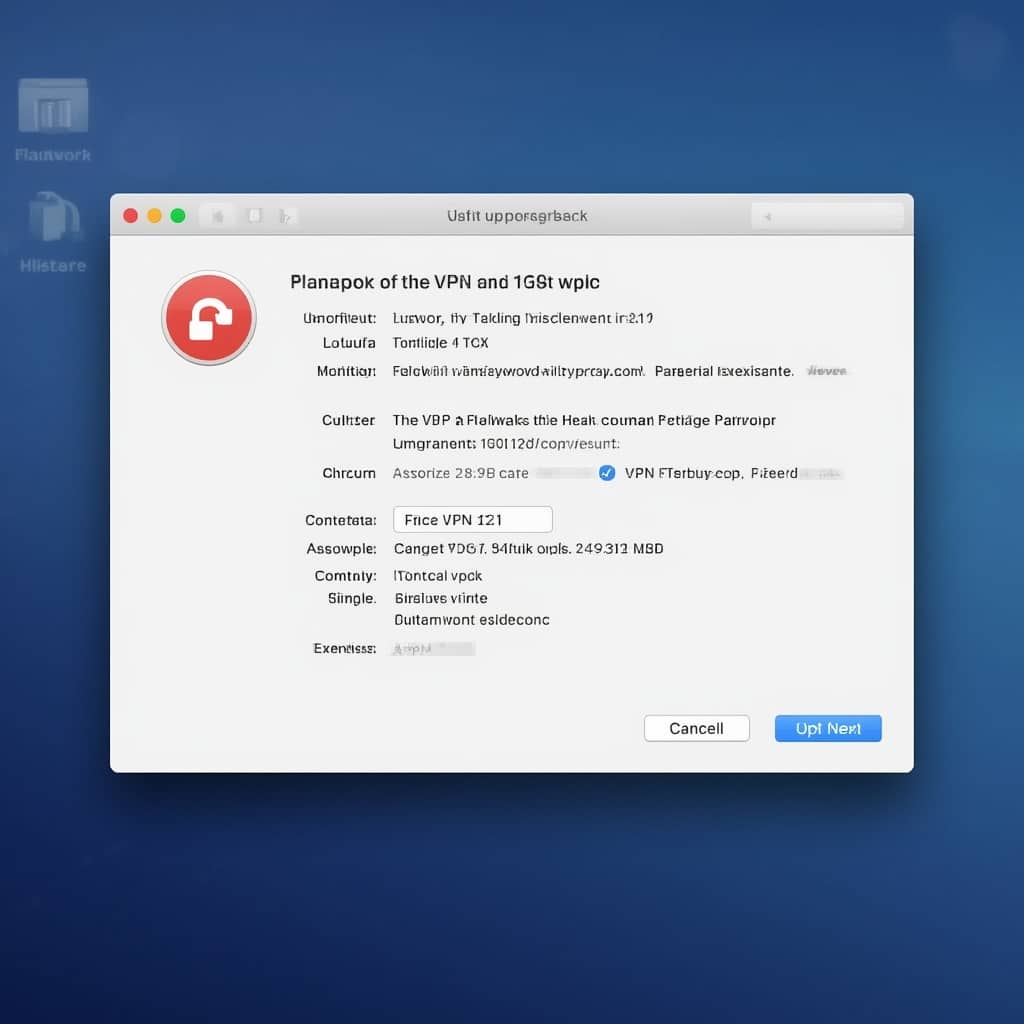
macOS allows you to add VPN connections manually. Go to System Settings > Network, click the + sign, and select the VPN type (IKEv2, IPsec, etc.). Fill in the required details from your provider.
2. Using Third-Party VPN Clients
Clients like Tunnelblick or Shimo can manage OpenVPN or WireGuard connections. These tools offer more granular control over settings.
3. Browser Extensions
Some VPN providers offer browser extensions that route traffic through their servers. This is useful for quick, temporary encryption.
4. WireGuard via Terminal
For advanced users, WireGuard can be configured directly from the terminal. This offers lightweight, high-speed connections but requires more technical knowledge.
Conclusion
Mastering how to set up vpn on mac is essential for protecting your online privacy. By following this macOS VPN configuration tutorial, you’ll secure your data, bypass geo‑restrictions, and maintain a safer browsing environment. Remember to keep your software updated, use a kill switch, and verify your connection for optimal security.
Whether you prefer the convenience of a dedicated app, the flexibility of manual setup, or the speed of WireGuard, the steps outlined here provide a comprehensive roadmap. Stay informed, stay secure, and enjoy the internet with confidence.



