
Introduction: Why You Need to Know How to Setup Your Router for VPN
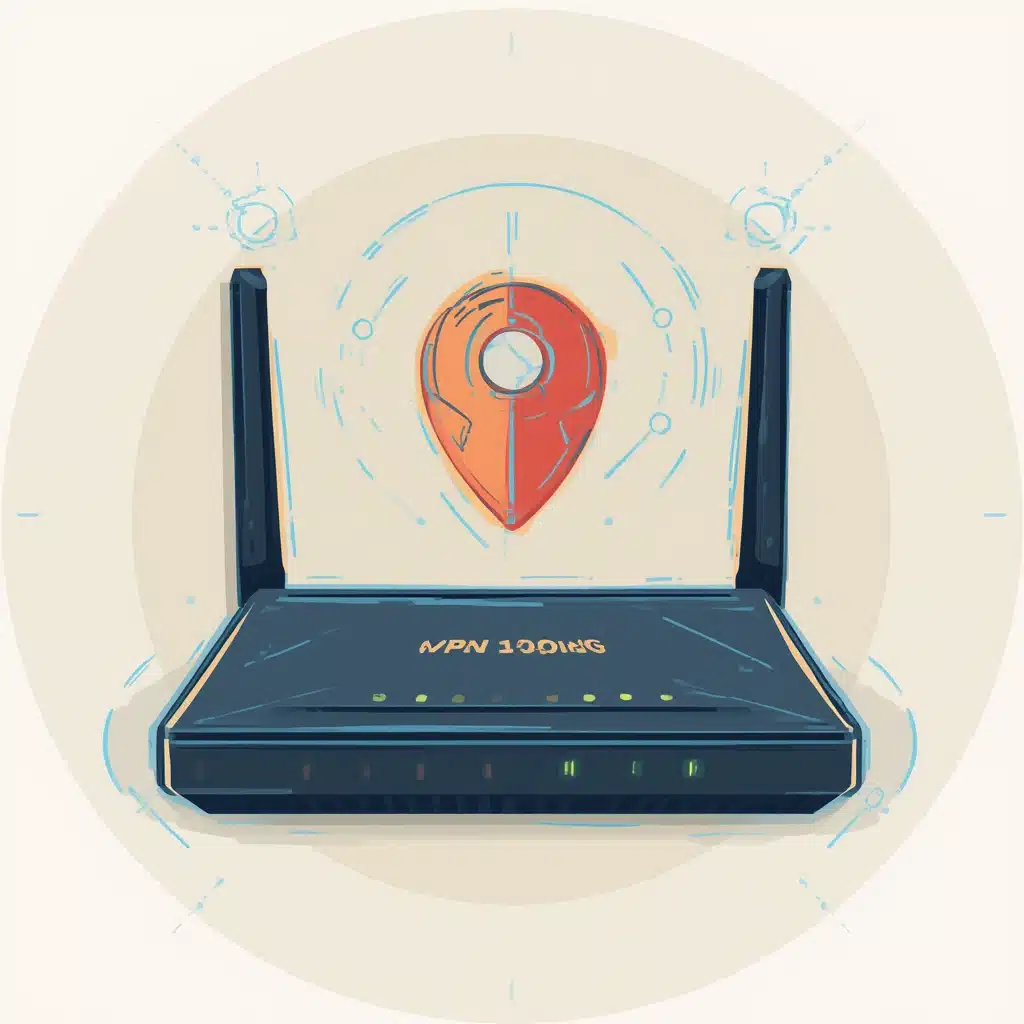
In 2025, a growing number of households rely on a single Wi‑Fi network to power everything from smart TVs to work‑from‑home laptops. When you how to setup your router for vpn, you protect every device with one secure tunnel, eliminating the need to install individual apps on each gadget.
Understanding how to setup your router for vpn also means you can bypass geo‑restrictions on streaming platforms, access region‑locked content, and keep your browsing history hidden from ISPs. This is especially useful for expatriates living in Europe, North America, or Asia who want to enjoy home‑country services without compromising privacy.
Many users confuse how to setup your router for vpn with simple app‑based solutions. The router approach provides a network‑wide shield, while a device‑only VPN only protects that single device. By mastering the process, you gain a consistent security posture across smartphones, tablets, gaming consoles, and IoT devices.
In this guide we’ll also discuss the importance of a configure router for vpn connection strategy. A properly configure router for vpn connection setup ensures that DNS leaks are prevented, split‑tunneling is optimized, and bandwidth overhead stays low. Whether you live in New York, London, Sydney, or Mumbai, the principles remain the same.
Finally, the article will walk you through a step‑by‑step process, share expert tips, compare alternative methods, and wrap up with a concise conclusion. By the end you’ll be confident in answering the question: “What’s the best way to configure router for vpn connection while keeping speeds stable?”
Step‑by‑Step Instructions to Configure Your Router for VPN Connection
1. Verify Router Compatibility
The first step in learning how to setup your router for vpn is to ensure your hardware supports VPN client mode. Look for firmware such as DD‑WRT, OpenWRT, or Tomato, or check the manufacturer’s specification for built‑in OpenVPN or IPSec support. If your stock firmware is limited, flashing a custom firmware can unlock the ability to configure router for vpn connection without purchasing new equipment.
2. Choose a Reliable VPN Provider
Not every VPN service works flawlessly with routers. Providers that support OpenVPN, WireGuard, and IPSec protocols typically offer router‑friendly configurations. For example, NordVPN publishes detailed guides on how to configure router for vpn connection, while Surfshark provides an easy‑to‑follow tutorial here. Selecting a provider with low latency servers in your desired region (e.g., US East for Netflix, EU West for BBC iPlayer) is crucial.
3. Gather Server Credentials
Log into your VPN dashboard and locate the OpenVPN or WireGuard configuration files. You’ll need the server address, your username/password, and the .ovpn or .conf file. Keep these files handy, as they will be uploaded during the configure router for vpn connection process.
4. Access Router Admin Panel
Open a web browser and type your router’s IP address (commonly 192.168.1.1 or 192.168.0.1). After logging in with admin credentials, navigate to the “VPN” or “Advanced” tab. If you’re using custom firmware, look under “Services” → “VPN” → “OpenVPN Client”. This is where you’ll begin to configure router for vpn connection.
5. Upload Configuration Files
In the OpenVPN client section, click “Add New Profile” and paste the contents of the .ovpn file or upload it directly. Enter your VPN username and password when prompted. For IPSec, you’ll need to fill in the pre‑shared key and remote gateway address. Double‑check that the “Enable VPN” toggle is switched on.
6. Set DNS to Prevent Leaks
To fully master how to setup your router for vpn, configure DNS servers that respect privacy, such as Cloudflare (1.1.1.1) or the VPN provider’s own DNS. This prevents DNS leaks that could expose your true location even while the tunnel is active.
7. Test the Connection
After saving the settings, reboot the router. Use an online IP checker to confirm that your public IP now reflects the VPN server location. For a quick test, visit does Netflix block VPN or try streaming a geo‑restricted show. If you encounter buffering, revisit the configure router for vpn connection page on your provider’s support site for server recommendations.
8. Optimize Performance
Router‑based VPNs can add latency. To mitigate this, enable split‑tunneling for bandwidth‑heavy devices (e.g., gaming consoles) if your firmware supports it. Alternatively, select a WireGuard profile, which typically offers faster speeds than OpenVPN while maintaining strong encryption.
9. Secure Remote Management
Disable remote admin access unless you need it, and change the default router password. This step is often overlooked when learning how to setup your router for vpn, but it’s essential to prevent attackers from hijacking your VPN tunnel.
10. Document Your Setup
Finally, write down the server details, credentials, and any custom settings you applied. This documentation will save you time if you need to reset the router or migrate the configuration to a new device.
Tips: Fine‑Tuning Your Router VPN for Different GEO Contexts
Use Local DNS Servers for Faster Resolution
When traveling in Asia or South America, latency can spike. Switching to regional DNS servers reduces lookup times, improving streaming performance while you configure router for vpn connection to a nearby server.
Leverage WireGuard Where Available
WireGuard is gaining popularity for its lean codebase and speed. Many providers now offer WireGuard profiles that are compatible with custom firmware. Switching from OpenVPN to WireGuard can make your how to setup your router for vpn experience noticeably faster.
Check for Firmware Updates Regularly
Manufacturers often release patches that improve VPN stability. Keeping your router’s firmware up‑to‑date ensures that the configure router for vpn connection steps remain compatible with the latest security standards.
Monitor Bandwidth Usage
Use the router’s built‑in traffic monitor or a third‑party tool like Wireshark to watch for unexpected spikes. High bandwidth consumption could indicate a misconfigured tunnel or a device bypassing the VPN.
Combine with a Kill Switch
If your firmware supports it, enable a VPN kill switch that blocks internet traffic when the tunnel drops. This adds an extra layer of protection, especially when you configure router for vpn connection in regions with strict data‑retention laws.
Utilize Geo‑Specific Server Pools
For streaming services like Netflix, BBC iPlayer, or Disney+, pick servers located in the same country as the content. This approach reduces the chances of encountering blocks when you follow the how to setup your router for vpn guide.
Reference Additional Resources
For iPhone users who also want device‑level protection, see our guide on how to use iPhone VPN. To understand pricing, check out how much does Nord VPN cost. If you’re curious about protocol specifics, read what is IPsec VPN.
Alternative Methods: When Traditional Router VPN Isn’t Viable
Using a Dedicated VPN Appliance
Some households prefer a dedicated hardware box (e.g., a Raspberry Pi running Pi‑VPN) that acts as a VPN gateway. This device connects to your ISP, encrypts traffic, and then passes it to the router, effectively achieving the same result as a configure router for vpn connection but without flashing firmware.
Setting Up a Virtual Router on a PC
If your router cannot be flashed, you can turn a Windows or macOS computer into a virtual router. Enable Internet Connection Sharing (ICS) and run the VPN client on the PC. All devices that connect to the PC’s Wi‑Fi hotspot will benefit from the how to setup your router for vpn logic.
Cloud‑Based VPN Gateways
Enterprise‑grade solutions like AWS Client VPN or Azure VPN Gateway let you route traffic through a cloud instance. This method is overkill for most home users but can be useful for digital nomads who need a stable exit node in a specific country while traveling.
Utilizing ISP‑Provided VPN Routers
Some ISPs sell routers pre‑configured with VPN capabilities. While convenient, they often lock you into the provider’s network, limiting your ability to configure router for vpn connection with a third‑party service. Evaluate the trade‑offs before committing.
Hybrid Approach: Router + Device VPN
Combine a router VPN for everyday browsing with device‑level VPNs for high‑risk activities (e.g., banking). This hybrid strategy ensures that even if the router tunnel fails, your mobile banking app remains protected by its own VPN client.
Conclusion: Mastering How to Setup Your Router for VPN in Any Geo‑Region
By now you should have a solid understanding of how to setup your router for vpn, from checking compatibility to testing the final connection. Repeating the process of configure router for vpn connection on different hardware will reinforce your skills and give you confidence to tackle more complex network scenarios.
Remember that the core steps—verifying firmware, uploading credentials, securing DNS, and testing the tunnel—remain consistent regardless of whether you’re in Tokyo, Toronto, or Johannesburg. The ability to how to setup your router for vpn empowers you to protect every device, bypass geo‑blocks, and maintain privacy across all internet activities.
If you encounter issues, revisit the configure router for vpn connection guide on your provider’s support page. For NordVPN users, a detailed walkthrough is available here. Keeping your firmware updated and regularly checking for DNS leaks will ensure a reliable, high‑speed experience.
In summary, mastering these techniques not only safeguards your home network but also enhances your streaming, gaming, and remote‑work capabilities. With the knowledge from this article, you can confidently claim control over your internet traffic, no matter where you are in the world.
“`