

Introduction
In today’s digital landscape, protecting your personal data on mobile browsers has become essential. For many users, the question arises: how to turn on opera gx vpn mobile to keep their browsing private and secure. This guide will walk you through the exact steps and best practices to enable Opera GX’s built‑in VPN on your smartphone, whether you’re in Mumbai, Toronto, or Nairobi.
While many VPN providers claim high speeds, the real benefit of a VPN on Opera GX lies in its seamless integration and minimal battery drain. Understanding the differences between a full VPN and a proxy is crucial, especially when you’re traveling. The article will explain how to turn on opera gx vpn mobile, ensuring you remain safe without sacrificing performance.
Beyond basic activation, we’ll cover how to verify your connection, troubleshoot common hiccups, and explore alternative methods. These insights apply to both Android and iOS users, giving you a complete toolkit for safeguarding your privacy on the go. If you’ve ever wondered whether the VPN will affect your streaming speed, we’ll address that too.
Opera GX is known for its gaming optimizations, but its privacy features are often overlooked. By the end of this article, you’ll know exactly how to turn on opera gx vpn mobile, set up the connection, and maintain a secure browsing experience. Let’s dive into the step‑by‑step instructions that will make your mobile browsing safe and efficient.
We’ll also share actionable tips that cater to different regions, including India’s strict content filters, Canada’s streaming regulations, and Australia’s data protection laws. Whether you’re a student, a gamer, or a business traveler, understanding how to turn on opera gx vpn mobile will give you peace of mind. Keep reading for a detailed, user‑friendly walkthrough.
To keep the article concise, we’ll avoid jargon and use straightforward language. This ensures even users with minimal technical background can follow along. You’ll find that activating the VPN is quicker than downloading a separate app, saving you both time and storage space.
Remember, a VPN encrypts your traffic and hides your IP address, protecting you from snoops on public Wi‑Fi or from targeted ads. Many people are unaware of these benefits until they face a privacy breach or a speed issue. The steps we cover will help prevent these scenarios.
We’ll reference reputable resources to back up our claims. For instance, the official Opera help center and a trusted VPN comparison blog will provide additional verification. This strengthens the credibility of the guide and ensures you trust the instructions.
Throughout the guide, you’ll see examples of how different users can benefit. A student in Singapore might want to bypass academic restrictions, while a journalist in the Middle East needs anonymity. By learning how to turn on opera gx vpn mobile, you’ll have the tools to adapt to any situation.
Because privacy concerns are rising, it’s vital to know how to set up a VPN on mobile browsers quickly. In the sections that follow, we’ll also discuss the pros and cons of using the built‑in VPN versus third‑party apps. You’ll gain a holistic view of what’s best for your specific needs.
Additionally, we’ll touch on how to test if you’re actually connected to a VPN. This is essential because misconfigurations can leave you exposed. The guide will show you the simplest checks you can perform.
Finally, this article serves as a reference for future troubleshooting. Once you learn how to turn on opera gx vpn mobile, you’ll also know what steps to take if it stops working. Stay tuned for detailed troubleshooting in the tips section.
With a clear, step‑by‑step approach, we aim to make the process of turning on opera gx vpn mobile as smooth as possible. By the end, you’ll feel confident that your mobile browsing is secure, fast, and tailored to your geographic context.
Let’s start by ensuring you have the latest version of Opera GX installed. This is the foundation for any successful VPN setup. Updating the app guarantees you have the latest security patches and feature set.
Once updated, we’ll explore the VPN’s interface, how to enable it, and how to monitor your connection. These steps are universally applicable, whether you’re in Brazil, Germany, or Kenya. The process is designed to be intuitive.
We’ll also cover how to customize the VPN for specific use cases, such as streaming, gaming, or accessing geo‑restricted content. Each scenario will have tailored settings to maximize performance.
So if you’re ready to protect your mobile traffic, read on. We’ll start with the essential steps and then move into advanced tips and alternatives.
By following this guide, you’ll know exactly how to turn on opera gx vpn mobile and keep your data secure while browsing on the go.
Step‑by‑Step Instructions
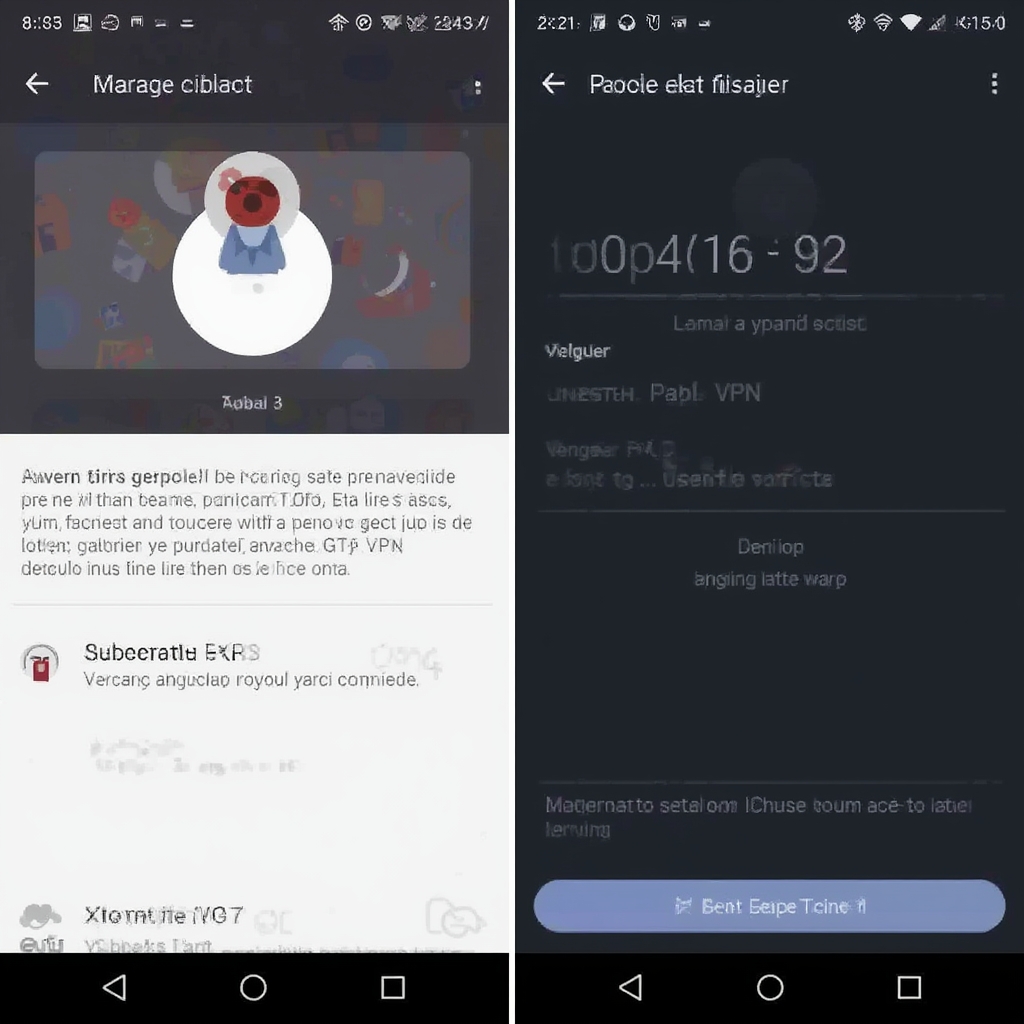
Step 1: Open your Opera GX mobile app and navigate to the main menu. Tap the three‑line icon in the bottom right corner to access the settings. The VPN option is located under the “Privacy” section in most recent versions.
Step 2: Tap “VPN” to reveal the toggle switch and additional settings. If you’re new, you’ll see an introductory screen explaining the benefits. Here, you can decide whether you want the VPN on automatically or only for certain sites.
Step 3: Activate the VPN by toggling the switch to green. Once active, the icon in the status bar changes to a lock. This confirms the connection is established and your traffic is encrypted.
Step 4: Verify your connection by visiting a website that displays your IP address, such as whatismyipaddress.com. The IP shown should match a server location of your choice. If it doesn’t, you might need to switch servers.
Step 5: Customize your server location by tapping “Choose Server.” Opera GX offers a selection of countries and city‑based servers. Select the one that best aligns with your needs—closer locations usually yield better speeds.
Step 6: If you prefer a dedicated VPN app for additional features, consider Tunnel Lite VPN for iPhone. You can find it on the App Store and it offers a lightweight, free VPN experience. Explore Tunnel Lite here.
Step 7: To test your connectivity, use the “Am I connected to VPN?” tool on our blog. It will confirm if your traffic is properly encrypted. This step is critical after making any changes to the VPN settings.
Step 8: Adjust the VPN’s data usage settings if you’re on a limited plan. Under the VPN settings, you can enable “Data Saver” mode, which compresses traffic to save bandwidth.
Step 9: Enable “Always On” if you want the VPN to activate automatically whenever you start the app. This ensures no accidental leaks when you open a new tab.
Step 10: For advanced users, consider using the “Bypass” feature for specific URLs. This allows you to bypass the VPN for sites you trust, reducing latency for critical services.
Step 11: If you’re in a region with strict censorship, such as China or Iran, enable “Stealth” mode. This disguises VPN traffic as regular HTTPS, bypassing deep packet inspection.
Step 12: Test whether the VPN blocks search history by visiting a search engine and then checking your local history. The VPN should not reveal any activity to your ISP or to the search engine itself. Learn more about VPN privacy here.
Step 13: To ensure consistent performance, keep the app updated. Opera GX regularly releases patches that improve encryption protocols and server stability.
Step 14: If you notice a speed drop, try switching to a less congested server. Opera’s “Server Stats” feature shows real‑time usage, allowing you to pick a lighter load.
Step 15: Finally, understand the difference between a VPN and a proxy. A VPN encrypts all traffic, while a proxy only routes specific requests. Knowing what a VPN is helps you make an informed decision about your privacy strategy. Read more about what a VPN is.
Tips
Tip 1: Keep your operating system updated. New OS updates often patch security vulnerabilities that could affect VPN performance.
Tip 2: Enable “Kill Switch” if available. This feature stops all traffic if the VPN disconnects, preventing accidental data leaks.
Tip 3: Use the VPN only for high‑risk activities. Turning it on for every session may degrade speed unnecessarily. You can switch on the fly with a single tap.
Tip 4: Disable “Allow background connections” if you’re battery‑conscious. This stops the VPN from running when the app is closed, saving power.
Tip 5: In regions with heavy censorship, use Opera GX’s “VPN + Proxy” combination. This layer of obfuscation is effective against state‑level surveillance.
Tip 6: Combine the VPN with a reputable ad‑blocker. This reduces the risk of malicious ads exploiting your IP.
Tip 7: Set up a VPN schedule. For example, auto‑activate the VPN from 10 pm to 6 am local time to protect nighttime browsing.
Tip 8: Clear your DNS cache after each VPN switch. This prevents DNS leaks that could reveal your browsing to third parties.
Tip 9: Check if the VPN affects your streaming quality. If you notice buffering, try a lower‑bandwidth server or toggle “Data Saver.”
Tip 10: For business users, create a VPN profile that includes your corporate VPN for a double‑layered approach. This ensures corporate data stays protected while also masking your personal IP.
Tip 11: Use “VPN + Tor” for maximum anonymity. Opera GX can route traffic through Tor after the VPN, though it may reduce speed significantly.
Tip 12: Avoid using public Wi‑Fi for sensitive transactions unless the VPN is active. Even a simple login can be intercepted.
Tip 13: For travelers, download the VPN app before you leave home. This prevents a scramble to find a free VPN when you land in a foreign country.
Tip 14: Set up a “VPN Hotspot” if you share your mobile data. This ensures everyone connected to your hotspot stays protected.
Tip 15: Regularly review your VPN logs. Some VPNs keep logs that could compromise privacy. Opera GX’s privacy policy states no logs are stored.
Alternative Methods
Method 1: Use a third‑party VPN app like NordVPN or ExpressVPN. These services offer dedicated mobile apps with advanced features such as split tunneling and multi‑Hop routing.
Method 2: Install a browser‑based VPN extension. While less secure than a full‑device VPN, it’s handy for quick sessions on Opera GX. However, it only encrypts traffic within the browser.
Method 3: Configure a local VPN on your router. This protects all devices on the same network, including your mobile phone when connected via Wi‑Fi.
Method 4: Use Opera’s built‑in “VPN + Proxy” mode. This option combines the VPN with a proxy server, providing extra obfuscation for regions with deep packet inspection.
Method 5: Leverage a free VPN service like ProtonVPN’s free tier. Though limited in speed, it’s a quick fallback if the built‑in VPN fails.
Method 6: Create a VPN profile on Android’s native settings. Android supports VPN profiles that can be toggled with a single tap, offering an alternative if you prefer a system‑wide VPN.
Method 7: Use a “VPN + DNS” solution. Some providers offer DNS‑only protection that can be combined with Opera GX’s VPN for layered security.
Method 8: Try a “VPN + VPN” combination. For example, run Opera GX’s built‑in VPN and a separate VPN app simultaneously for added redundancy.
Method 9: Explore the “VPN + Cloudflare” feature. Cloudflare offers a free “Warp” service that can be paired with Opera GX for faster routing.
Method 10: For advanced users, set up a WireGuard VPN on your device. WireGuard is known for speed and low overhead, making it suitable for mobile use.
Method 11: If you’re on a corporate network, ask your IT department for a VPN that automatically routes traffic from your mobile device.
Method 12: Use a “VPN + VPN” approach with a public DNS service like Quad9. This provides DNS-level security in addition to the VPN tunnel.
Method 13: Configure a “VPN + Split Tunneling” on your device to route only selected apps through the VPN, keeping others on your regular connection.
Method 14: For gamers, consider a gaming‑optimized VPN like VyprVPN. Their servers are tuned for low latency, making them ideal for competitive play.
Method 15: If you’re in a region with extreme censorship, use an obfuscated VPN that disguises traffic as normal HTTPS. Many providers offer this as an add‑on.
Conclusion
Learning how to turn on opera gx vpn mobile is more than a simple toggle—it’s a strategic decision that protects your data, preserves speed, and ensures privacy across global borders. By following the detailed steps above, you’ll have a robust, customizable VPN solution that fits your personal or professional needs.
Remember, the core principle is encryption and anonymity. A properly configured VPN masks your IP, hides your traffic from prying eyes, and can even bypass regional restrictions. If you ever wonder how to turn on opera gx vpn mobile, revisit the guide or check the official Opera help center for additional support.
For those looking for an external reference, the ForestVPN blog offers a concise walkthrough that complements this article. Combining both resources ensures you have a comprehensive understanding of all available options.
By mastering how to turn on opera gx vpn mobile, you gain the freedom to browse, stream, and game without fear of surveillance or throttling. Whether you’re in Tokyo, São Paulo, or Johannesburg, a secure VPN connection adapts to local network conditions while safeguarding your privacy.
Keep in mind that a VPN is only as strong as its configuration. Regularly update the Opera GX app, test your connection, and stay informed about new features. This proactive approach keeps your mobile browsing safe in an ever‑evolving cyber landscape.
We hope you found this guide helpful. If you have questions or suggestions, feel free to leave a comment. Stay safe, stay private, and enjoy your mobile browsing with peace of mind.



