

Introduction
Many users ask how to use a vpn on phone when they notice regional restrictions or want to protect their privacy on the go. Whether you’re streaming, gaming, or simply browsing, understanding the basics of a : mobile vpn setup is essential. This guide will walk you through the process, offering practical steps, valuable tips, and alternative methods.
In this article, we’ll cover what a VPN does, why it’s useful, and how to configure it on both iOS and Android devices. We’ll also touch on how to how to use a vpn on phone in situations like bypassing geo‑blocks or securing public Wi‑Fi. If the first question is how to how to use a vpn on phone, then this article is your go‑to manual. And if you’re new to VPNs and wonder about : mobile vpn setup, the steps below will clear the confusion.
While setting up a VPN on your phone may seem daunting, we’ll break it down into clear, manageable sections. Each section—Step‑by‑Step Instructions, Tips, Alternative Methods, and Conclusion—will provide actionable advice. By the end, you’ll know exactly how to how to use a vpn on phone and how to tackle common obstacles in : mobile vpn setup.
Step‑by‑Step Instructions
1. Choose a Trusted VPN Provider
Start by selecting a reputable service. Look for strong encryption, no‑log policies, and a wide server network. Popular choices for mobile include NordVPN, ExpressVPN, and Surfshark. Many providers offer dedicated mobile apps that simplify the process.
2. Install the VPN App
For iPhone users, download the app from the Apple App Store. Android users can get the app from the Google Play Store or the provider’s official site. Once installed, open the app and sign in or create an account.
3. Configure Basic Settings
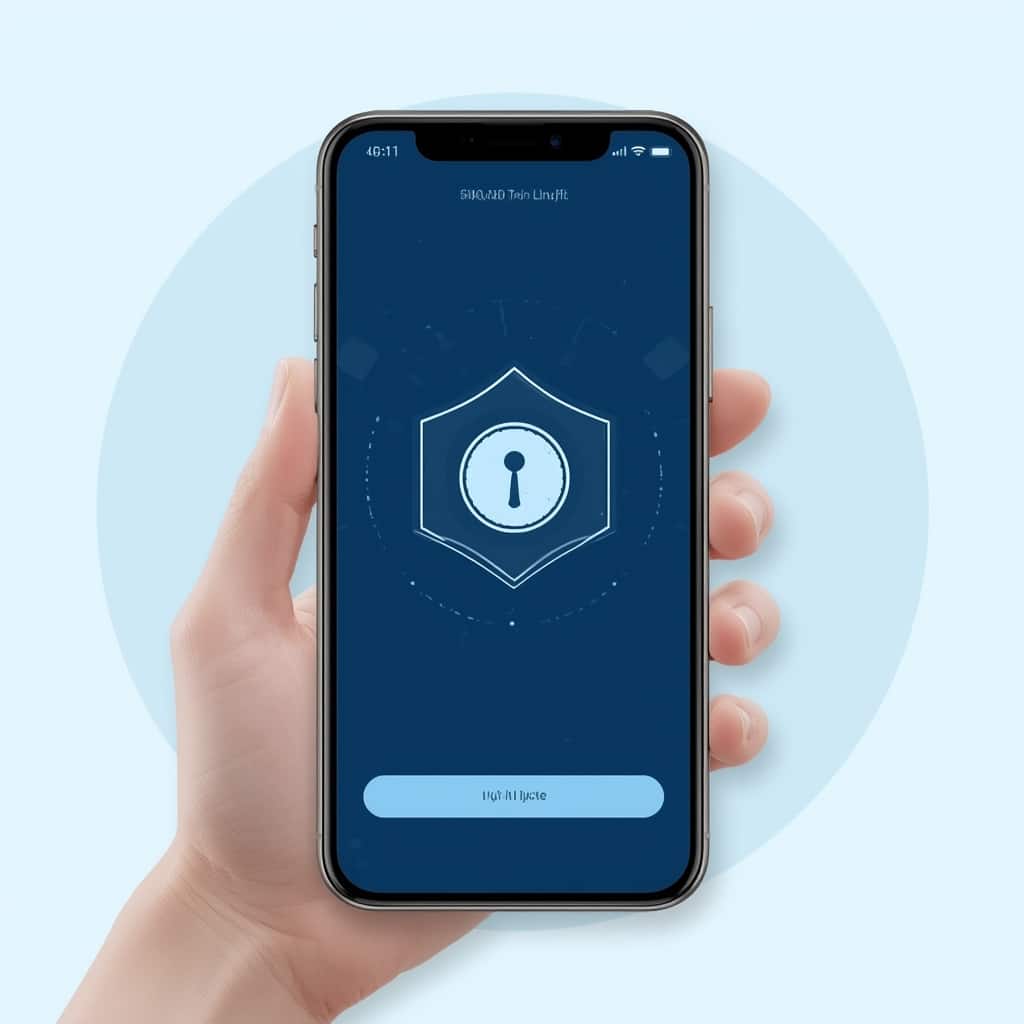
Most apps will prompt you to allow network changes and permission to manage VPN. Accept these to ensure the app can route traffic securely. On iPhone, you’ll see a “VPN” status icon in the status bar once connected. Android shows a shield icon.
4. Connect to a Server
Tap the Connect button. Some apps automatically recommend the optimal server. You can also select a specific country or city for a desired IP. For TikTok bans or other geo‑restricted services, choose a server in the region that’s allowed.
5. Verify Your Connection
Open a web browser and visit whatismyipaddress.com. Confirm that the IP and location match the server you selected. If they don’t, disconnect and try again.
6. Test with a Streaming or Social Media App
Open your favorite app (e.g., Netflix or TikTok) to ensure content is loading correctly and no geo‑blocking occurs. If you encounter issues, switch servers or adjust the app’s privacy settings.
7. Turn Off the VPN When Not Needed
Turning off the VPN is just as simple. On iOS, go to Settings → General → VPN and toggle it off. On Android, open the VPN app and tap Disconnect. For a quick shutdown, you can use the quick toggle in the notification shade.
8. Automate Connections
Many apps let you set VPN to start automatically when the device boots or when you open specific apps. This is handy for travelers or frequent users. Explore these settings in the app’s advanced menu.
9. Update the App Regularly
Keep the VPN app updated to benefit from security patches and new features. Your provider’s app will usually prompt you when a newer version is available.
Tips
- Use a Multi‑Hop Network: Some VPNs allow routing through two or more servers for added anonymity.
- Enable Kill Switch: A kill switch stops all traffic if the VPN drops, preventing accidental data leaks.
- Set DNS Leak Protection: This prevents your real DNS queries from bypassing the VPN.
- Use Split Tunneling: Route only traffic from selected apps through the VPN, saving bandwidth.
- Switch Networks Carefully: If you switch from Wi‑Fi to mobile data, ensure the VPN stays connected.
Alternative Methods
If app installation isn’t feasible, you can still maintain privacy through alternative methods. Below are practical options, each with its own pros and cons.
Network‑Level VPN via the Router
Some routers support VPN passthrough or direct VPN connections. By configuring the router, all devices—including your phone—benefit from the same secure tunnel. Check your router’s manual or visit this guidance to set up a router‑based VPN.
Manual Configuration on iPhone
In Settings → General → VPN, you can add a Custom VPN profile. Input the server address, remote ID, local ID, and authentication method (usually username & password). This is useful if you wish to avoid a third‑party app, though it requires more technical knowledge.
Use a Browser with Built‑in VPN
Some browsers (e.g., Mozilla Firefox, Brave) offer built‑in VPN or privacy tools. While not as comprehensive as a dedicated app, they can help encrypt browser traffic on the fly.
Ad‑Blockers and Privacy Filters
Tools like Ghostery or uBlock Origin can prevent data leaks by blocking trackers. Combine them with a how to use a vpn on phone to maximize security.
Public Wi‑Fi Precautions
When using public Wi‑Fi, always enable the VPN. If the network is unreliable, a kill switch can keep you from unintentionally connecting to an unsecured network.
Conclusion
Whether you’re a casual user or a privacy enthusiast, mastering how to use a vpn on phone is a smart investment. By selecting a reliable provider, following the step‑by‑step guide, and applying the tips above, you’ll enjoy secure, unrestricted internet everywhere. If you’d like to keep your private data safe even when traveling or using public networks, : mobile vpn setup has never been easier.
Next time you pick up your phone, remember: a secure VPN is just a tap away. Stay protected, stay anonymous, and enjoy the freedom the internet offers. Happy browsing!



