

“`html
Understanding the Need for a VPN on Windows
In today’s digital landscape, protecting your online privacy is crucial. A Virtual Private Network (VPN) encrypts your internet connection, shielding your data from prying eyes like hackers, ISPs, and government surveillance. This article will provide a comprehensive guide on how to use windows vpn. We’ll cover everything from the basics to more advanced : windows vpn setup configurations.
Many users are unaware of the vulnerabilities they face when browsing without a VPN. Public Wi-Fi networks, for instance, are notorious for security risks. A VPN acts as a secure tunnel, ensuring that your sensitive information remains protected, even on unsecured networks.
Beyond security, a VPN can also unlock geo-restricted content and bypass censorship. If you’re traveling or live in a country with internet restrictions, a VPN can grant you access to websites and streaming services you wouldn’t normally be able to view. Understanding how to use windows vpn is, therefore, a vital step toward a safer and more open internet experience.
Step-by-Step Instructions: Setting Up a VPN on Windows
There are several ways to set up a VPN on your Windows device. We’ll explore using a dedicated VPN application, which is generally the easiest and most reliable method. Then, we’ll cover the built-in Windows VPN client. Let’s start with the user-friendly app approach for : windows vpn setup.
Using a Dedicated VPN Application
- Choose a VPN Provider: Research and select a reputable VPN provider like NordVPN, ExpressVPN, Surfshark, or CyberGhost. Consider your budget and the features you need when choosing.
- Download and Install the App: Once you’ve subscribed, download the VPN application specific to Windows from the provider’s website. Run the installer and follow the on-screen instructions.
- Launch and Login: Open the VPN app and enter your login credentials (username and password) provided during the subscription process.
- Connect to a Server: Most apps offer a quick-connect option, which automatically selects the optimal server for you. Alternatively, you can manually choose a server location from the list.
- Verify Your Connection: After connecting, verify that your IP address has changed. You can do this by visiting a website like whatismyip.com.
This method is streamlined and provides added features like kill switches and split tunneling. Many apps even allow you to customize your VPN experience, ensuring you get the best protection possible. Mastering how to use windows vpn through dedicated apps provides the best long-term experience.
Using the Built-in Windows VPN Client
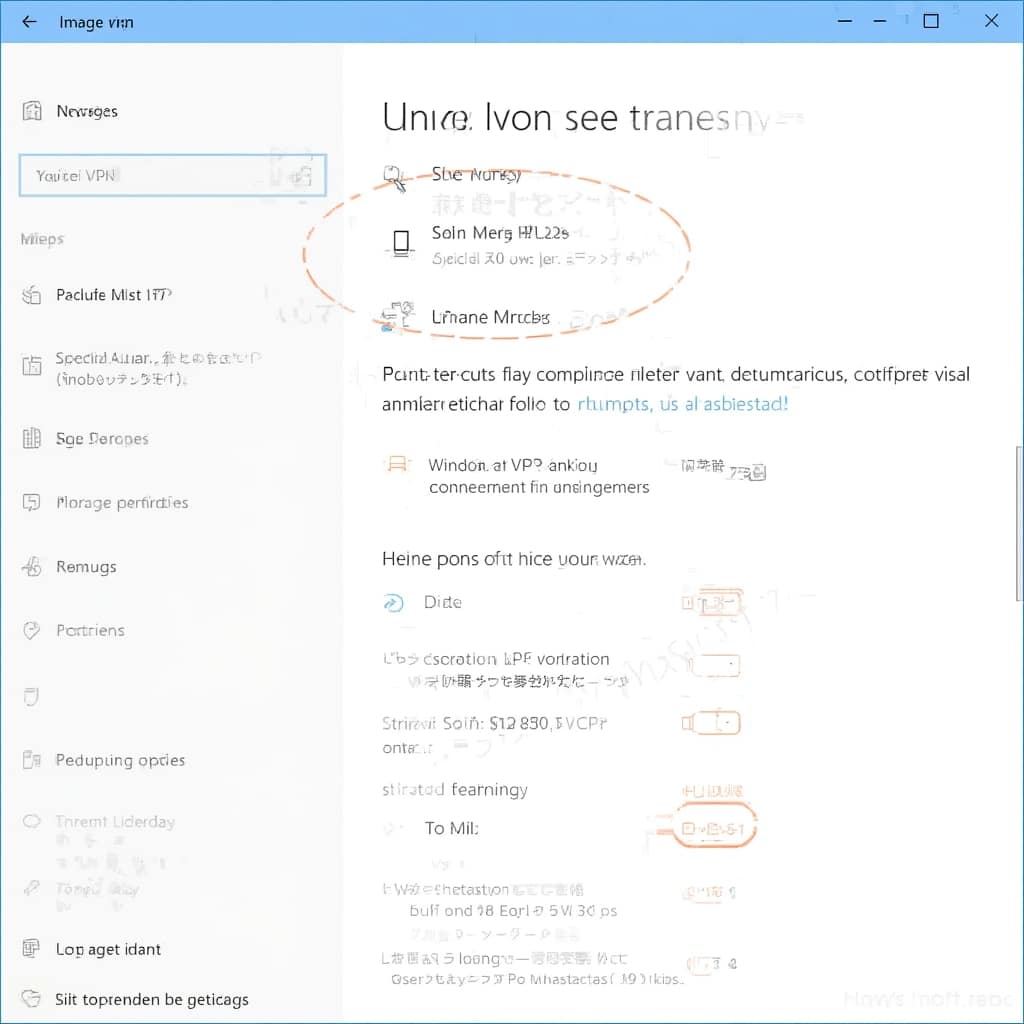
Windows has a built-in VPN client, but it requires manual configuration. This is useful if your workplace or school provides you with VPN server details. Here’s a more detailed guide from UWSP.
- Obtain VPN Server Details: You’ll need the VPN server address, login credentials, and VPN type (e.g., L2TP/IPsec, PPTP, IKEv2) from your VPN provider or system administrator.
- Open Windows Settings: Click the Windows Start button and then select the Settings gear icon.
- Navigate to Network & Internet: In the Settings window, click on “Network & Internet”.
- Select VPN: In the left-hand menu, click on “VPN”.
- Add a VPN Connection: Click the “Add a VPN connection” button.
- Enter VPN Information: Fill in the required fields with the VPN server details you obtained. Pay close attention to the “VPN type” setting.
- Save and Connect: Save the connection details and then click on the connection name in the VPN settings to connect.
While functional, : windows vpn setup using the built-in client can be more complex and might lack advanced features. If you’re unsure about the settings, consult your VPN provider’s documentation or support team. You might also want to explore NordVPN’s guide to Windows VPN setup.
Essential Tips for Using a Windows VPN
Simply installing a VPN isn’t enough; optimizing its use is essential for maximum benefit. Here’s what you should know about consistently using and maintaining your how to use windows vpn.
- Choose the Right Protocol: Different VPN protocols offer varying levels of speed and security. IKEv2 and WireGuard are generally considered the fastest and most secure.
- Enable the Kill Switch: A kill switch automatically disconnects your internet connection if the VPN connection drops, preventing your data from being exposed.
- Utilize Split Tunneling: Split tunneling allows you to choose which applications use the VPN connection and which ones use your regular internet connection. This can improve speeds for non-sensitive tasks.
- Regularly Update Your VPN App: VPN providers frequently release updates to improve security and performance. Make sure your app is always up-to-date.
- Check for DNS Leaks: A DNS leak can reveal your actual location even when connected to a VPN. Use a DNS leak test website to ensure your DNS requests are being routed through the VPN server.
Don’t forget to regularly check whether your VPN is actually running. Understanding these nuances will elevate your security posture when you how to use windows vpn effectively.
Alternative Methods for Securing Your Windows Connection
While VPNs are highly effective, they aren’t the only option for enhancing your security. Here are some alternatives:
- Tor Browser: Tor (The Onion Router) is a free software that encrypts your internet traffic and routes it through a network of relays, providing a high level of anonymity. However, Tor can be significantly slower than a VPN.
- Proxy Servers: Proxy servers act as an intermediary between your computer and the internet, hiding your IP address. They often lack the encryption features of a VPN.
- Smart DNS: Smart DNS is primarily used for bypassing geo-restrictions on streaming services. It doesn’t encrypt your traffic like a VPN.
- Secured Public Wi-Fi: Utilizing public Wi-Fi hotspots specifically designed with security protocols.
Each method has its strengths and weaknesses. A VPN typically offers the best balance of security, speed, and ease of use. However, depending on your specific needs, one of these alternatives might be a suitable option. Thinking about how to use windows vpn doesn’t mean you have to always use it – being aware of alternatives is also wise.
Considering a Premium VPN
Free VPNs often come with limitations, such as data caps, slower speeds, and fewer server locations. They may also log your activity and sell your data to third parties. A paid VPN generally provides a more reliable and secure experience.
Premium VPNs like ExpressVPN and NordVPN offer robust encryption, a wide range of server locations, and advanced features like a kill switch and split tunneling. They also prioritize user privacy and don’t log your activity. If privacy and security are paramount, investing in a reputable VPN service is highly recommended. Plus, consider if ProtonVPN is a legitimate option for your specific requirements before choosing.
Conclusion: Maximizing Your Windows VPN Experience
Learning how to use windows vpn is a simple yet powerful step towards protecting your online privacy and security. Whether you choose a dedicated VPN application or the built-in Windows client for : windows vpn setup, understanding the fundamentals is key.
Remember to prioritize strong encryption, enable the kill switch, and take advantage of features like split tunneling. By following these tips and considering your individual needs, you can create a secure and optimized VPN experience on your Windows device.
Ultimately, a VPN is a valuable tool for anyone who wants to take control of their online security and access a wider range of content. Don’t hesitate to explore different providers and settings to find the perfect fit for your digital lifestyle.
“`



