
Choosing between NordVPN and Proton VPN is one of the most common dilemmas for anyone seeking robust online privacy and performance in 2026. Both VPNs have established strong reputations, but they take different approaches to security, speed, streaming, and value. Experts continue to evaluate them across critical performance tests, and real‑world usage data makes it clear that each service has distinct strengths depending on your priorities.
In this detailed comparison, we break down the key differences and similarities — from encryption and server networks to jurisdiction and pricing — to help you decide which VPN best matches your needs.
Speed and Performance
Speed is often the make‑or‑break factor when choosing a VPN, especially for streaming, gaming, and large downloads. Independent tests in 2026 reveal that NordVPN consistently outperforms Proton VPN in raw speed thanks to its optimized NordLynx protocol, a custom implementation based on WireGuard. In several head‑to‑head tests, NordVPN delivered higher throughput across U.S. and U.K. servers, frequently hitting speeds above 900 Mbps in controlled environments. Proton VPN also posted impressive numbers, but typically lagged behind NordVPN’s peak performance.
Speed verdict: NordVPN is generally faster, making it ideal for bandwidth‑intensive tasks such as 4K streaming and torrenting.
That said, Proton VPN remains a fast and reliable choice, especially in regions where its extensive server network delivers stable connection quality. Both services use modern protocols like WireGuard to reduce latency and maintain strong throughput, but NordVPN’s tailored deployment of NordLynx gives it a measurable edge in overall speed consistency.
Privacy and Security Protections
When it comes to privacy, both NordVPN and Proton VPN adopt strict no‑logs policies and AES‑256 encryption, commonly considered industry best practice. They both have undergone independent audits validating their privacy claims — NordVPN’s audits are more frequent, while Proton VPN emphasizes open‑source transparency for its apps, which allows the security community to inspect the source code for potential vulnerabilities.
NordVPN’s privacy strengths include:
RAM‑only servers, ensuring that no user data is stored on disk.
Panama jurisdiction, outside major surveillance alliances.
Additional security tools such as Threat Protection and double‑VPN features on many plans.
Proton VPN’s privacy strengths include:
Based in Switzerland, known for strong privacy laws.
Open‑source apps audited by third parties.
Secure Core routing for extra privacy by tunneling through privacy‑friendly countries.
Security verdict: Both are highly secure, but users who want maximum transparency or are in high‑risk privacy situations may prefer Proton VPN’s open‑source philosophy.
Streaming, Torrenting, and Server Access
NordVPN generally exhibits stronger streaming unblocking capabilities, reliably accessing a wider range of global libraries on platforms like Netflix, Disney+, and BBC iPlayer. Proton VPN supports streaming on its paid plans but doesn’t match Nord’s breadth of catalog access in many regions. Torrenting is supported by both providers, but NordVPN’s specialty P2P‑optimized servers and faster speeds make it a more versatile choice for users dependent on quick downloads.
Proton VPN’s server footprint is impressively extensive, with a large total count and broad geographic reach, though practical performance may vary more widely between locations. NordVPN’s highly optimized infrastructure often results in more consistent performance regardless of region.
Learn more about Reliable VPN Guides for Argentina Users
Pricing and Value
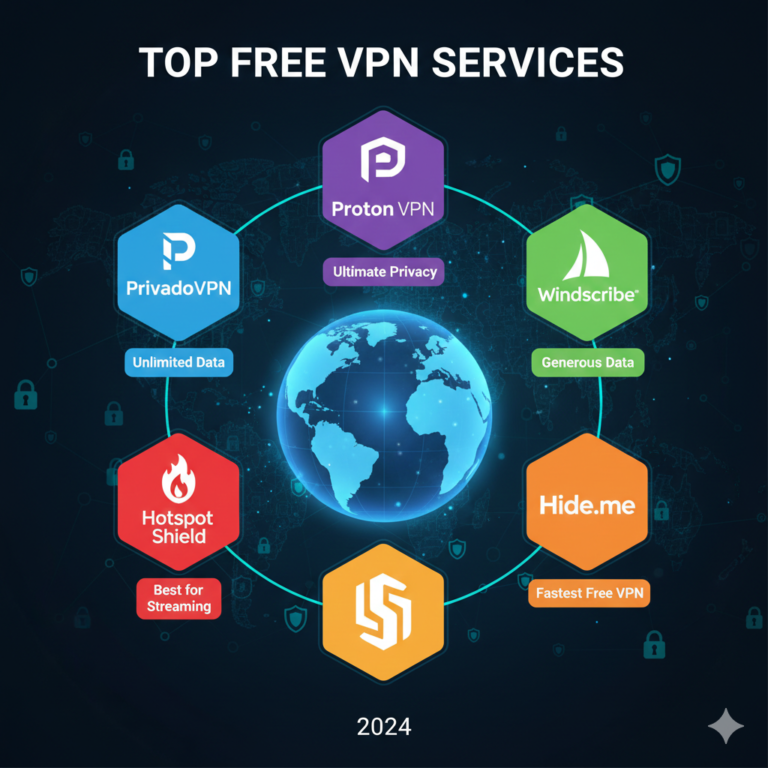
Pricing structures for both VPNs offer competitive deals, especially on long‑term plans. NordVPN often presents discounts on multi‑year plans, making it cheaper per month than Proton VPN’s premium tiers, which may include advanced privacy‑focused tools and Secure Core routing. Proton VPN also offers a free tier with unlimited data, an attractive option for users who want basic privacy protection without cost — a feature NordVPN does not.
Value verdict: NordVPN often provides more value through performance and discounted plans, while Proton VPN’s free tier and privacy branding attract users with specific cost or transparency priorities.
Conclusion
Both NordVPN and Proton VPN stand among the top VPN services in 2026, but they cater to slightly different audiences:
Choose NordVPN if speed, streaming performance, and a rich feature set are your top priorities — especially for global content access and torrenting.
Choose Proton VPN if privacy, transparency, and open‑source trust are more important, along with a strong free plan option.
Ultimately, the best VPN depends on your individual needs — whether it’s unblocking content, protecting sensitive data, or finding the best balance between speed and security. With either option, you’re selecting a robust service backed by independent audits and advanced encryption — key elements of online privacy in 2026.