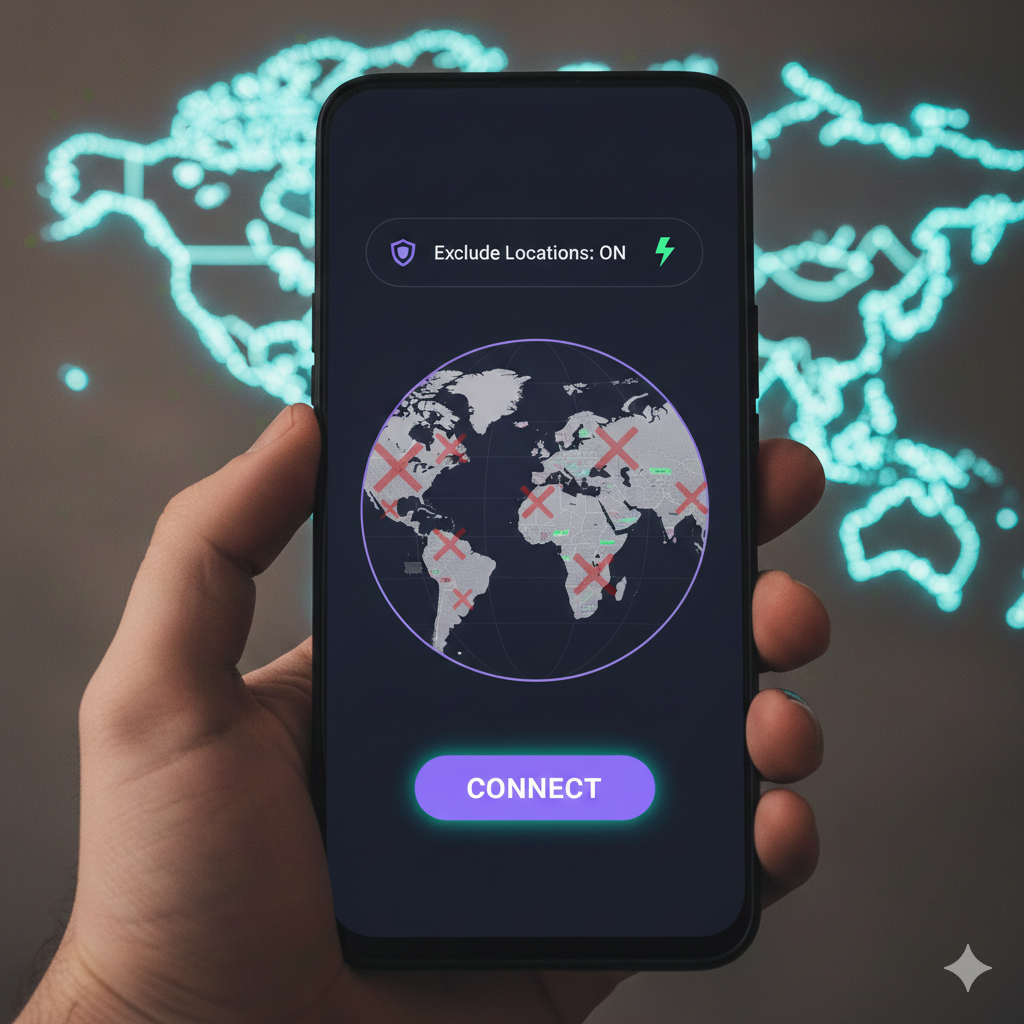

Virtual Private Networks continue to evolve beyond basic encryption, focusing more on usability and intelligent automation. One of the most notable VPN updates this week comes from Proton VPN Android, which has rolled out a significant improvement to its Android app. The update enhances server selection by allowing users to exclude specific locations from automatic connections, a long-requested feature among privacy-conscious users.
This change directly addresses a common frustration with “Quick Connect” systems, where users may be connected to servers that are technically optimal but personally undesirable. With this Android update, Proton VPN gives users greater control, better performance, and improved privacy — without sacrificing simplicity.
What’s New in the Proton VPN Android Update?
The latest Proton VPN Android update introduces a smarter approach to automatic server selection. Previously, Quick Connect would automatically choose the fastest or closest server, sometimes routing users through locations they preferred to avoid. Now, users can manually exclude countries or regions from the automatic connection process.
According to TechRadar, the update “fixes one of the most common complaints about Quick Connect” by letting users fine-tune how the VPN behaves without requiring manual server selection every time .
Key highlights of the update include:
Ability to exclude specific countries from Quick Connect
More predictable VPN routing behavior
Reduced need for manual server switching
Improved balance between automation and user control
Why Excluding Locations Matters for Privacy
For many users, privacy isn’t just about encryption — it’s also about jurisdiction and data routing. Some VPN users prefer to avoid certain countries due to surveillance laws, data-sharing agreements, or geopolitical concerns.
By excluding locations, Proton VPN allows users to:
Avoid routing traffic through jurisdictions they don’t trust
Reduce exposure to regions with aggressive data retention laws
Maintain consistent privacy preferences across sessions
This aligns with Proton VPN’s long-standing emphasis on privacy-first design, supported by its Swiss jurisdiction and open-source applications.
Performance Gains and User Experience Improvements
Beyond privacy, performance is another major benefit. Automatic VPN connections sometimes prioritize proximity over reliability. If a nearby server is congested or unstable, users may experience slow speeds or connection drops.
With the new Android update:
Users can exclude slower or unstable regions
Quick Connect becomes faster and more reliable over time
Streaming, browsing, and app performance improve
Compared to many competitors that still rely on rigid auto-connect logic, Proton VPN’s approach offers a more adaptive experience without overwhelming less technical users.
learn more about ExpressVPN Adds 4 New Features to Plans
How Proton VPN Compares to Other VPN Apps
While several VPN providers offer manual server selection, few allow customized automation. Many popular VPN apps force users to choose between full automation or complete manual control.
Proton VPN now bridges that gap by offering:
Smart automation with user-defined rules
A cleaner experience for both beginners and advanced users
Greater transparency in how connections are made
This feature puts Proton VPN ahead of many Android VPN apps that still lack granular control over Quick Connect behavior.
Conclusion
The latest Proton VPN Android update is a clear example of meaningful VPN innovation focused on real user needs. By allowing users to exclude locations from automatic connections, Proton VPN improves privacy, performance, and overall usability — all without complicating the interface.
As VPN adoption continues to grow globally, features like this highlight the shift toward user-centric privacy tools rather than one-size-fits-all solutions. For Android users seeking a balance between automation and control, this update makes Proton VPN an even more compelling choice.