

Introduction
When you search for what does a vpn provide, the answers often span privacy, security, and freedom online. In 2025, a VPN is more than a tool to hide your IP; it’s a gateway to safe browsing, unrestricted streaming, and protected transactions. Understanding the core what does a vpn provide helps you choose the right service for your needs.
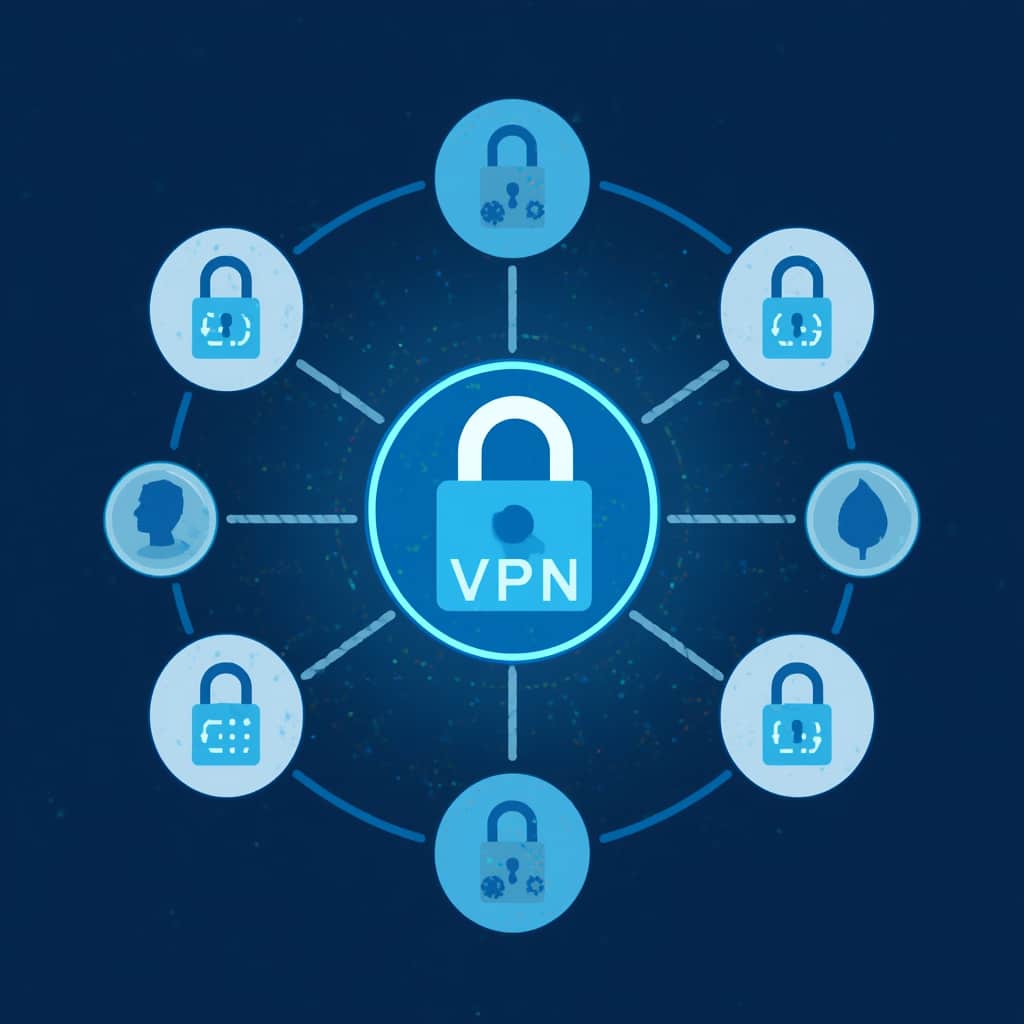
One of the most critical aspects you’ll encounter is the set of VPN security features that keep your data encrypted and your identity concealed. From AES‑256 encryption to kill switches and DNS leak protection, these features form the backbone of a trustworthy VPN.
In this guide we’ll break down the benefits, explain the what does a vpn provide in everyday scenarios, and walk you through a comprehensive step‑by‑step setup. Whether you’re streaming Netflix in Berlin, betting on DraftKings from a restricted region, or simply browsing from a public Wi‑Fi hotspot, the principles remain the same.
We’ll also highlight the most relevant VPN security features that protect you against common threats such as man‑in‑the‑middle attacks, ISP throttling, and malicious Wi‑Fi networks. By the end of this article, you’ll have a clear roadmap to secure your digital life while staying within legal and ethical boundaries.
Step‑By‑Step Instructions
1. Choose a VPN Provider That Matches Your Goals
Before you ask what does a vpn provide, evaluate providers based on speed, server locations, and the specific VPN security features they offer. Look for a no‑logs policy, strong encryption standards, and a reliable kill switch.
For users in North America wanting to access UK streaming services, a provider with robust UK and EU servers is essential. In contrast, gamers in Southeast Asia may prioritize low‑latency servers in Japan and Singapore.
2. Sign Up and Download the Client Application
After selecting a provider, create an account and download the appropriate client for your device—Windows, macOS, Android, or iOS. If you’re on an iPhone, you’ll appreciate the dedicated guide on how does iPhone VPN work, which explains the native integration with iOS.
The installation process is straightforward: run the installer, follow the on‑screen prompts, and log in with your credentials. Most modern VPN apps will automatically suggest the optimal protocol (WireGuard, OpenVPN, or IKEv2) based on your network environment.
3. Configure Core Settings for Maximum Protection
Navigate to the settings menu and enable critical VPN security features such as:
- Kill Switch: Instantly blocks internet traffic if the VPN disconnects.
- DNS Leak Protection: Prevents accidental exposure of your DNS queries.
- Split Tunneling: Allows you to route only specific apps through the VPN.
These settings directly answer the question what does a vpn provide in terms of safeguarding your connection.
4. Select a Server Aligned with Your Geo‑Target
Choose a server location based on the content or service you want to access. For example, to watch YouTube TV from abroad, pick a US server. If you want to bypass geo‑blocks on a sports site, select a server in the country where the broadcast originates.
Remember that server load can affect speed. Many VPN apps display real‑time load percentages; opting for a lightly loaded server can improve streaming quality and reduce buffering.
5. Test Your Connection and Verify Security
Once connected, verify that your IP address and DNS requests are masked. Use tools like Cloudflare’s IP lookup and the Electronic Frontier Foundation’s DNS leak test to confirm that no information is leaking.
Also, run a speed test to ensure the connection meets your bandwidth requirements. If you notice significant slowdown, switch to a different protocol or server.
6. Automate the VPN for Consistent Protection
Most VPN apps let you enable “auto‑connect” on startup and “always‑on” mode for mobile devices. Activating these ensures that the VPN is active whenever you go online, answering the lingering question of what does a vpn provide in a continuous manner.
Enable the “Connect on Wi‑Fi only” option if you want to conserve mobile data, especially when traveling abroad and relying on public hotspots.
7. Apply Advanced Features for Specific Use Cases
For gamers, enable “Port Forwarding” (if supported) to reduce latency on peer‑to‑peer connections. For businesses, activate “Multi‑Hop” routing to add an extra layer of encryption. Each of these advanced configurations taps into the broader set of VPN security features that a modern VPN provides.
When you’re ready to test the setup with a real service, check out our article on how a VPN works for DraftKings on Reddit for a practical example.
Tips for Optimizing Your VPN Experience
Use the nearest server when possible. Proximity reduces latency and often improves throughput, which is crucial for HD streaming and competitive gaming.
Clear your DNS cache after connecting. On Windows, run ipconfig /flushdns; on macOS, use dscacheutil -flushcache. This ensures that old DNS entries don’t bypass the VPN.
Combine a VPN with ad‑blocking extensions. Many VPNs now include built‑in ad blockers; pairing them with browser extensions adds another privacy layer.
Regularly update your VPN client. Updates often patch security vulnerabilities and improve protocol performance.
Consider a dedicated IP if you need consistent access. Some services flag shared IP ranges. A dedicated IP gives you a static address while still benefiting from encryption.
Alternative Methods When a VPN Isn’t Viable
If your network blocks VPN protocols, explore these alternatives:
- Smart DNS: Redirects only DNS queries, allowing you to unblock geo‑restricted content without full encryption.
- Tor Browser: Provides anonymity through layered routing, though speeds are slower and it’s not ideal for streaming.
- SSH Tunnels: Create a secure tunnel to a remote server; useful for developers needing encrypted connections for specific ports.
Each method has trade‑offs. Smart DNS, for instance, answers the query what does a vpn provide only partially—by bypassing geo‑blocks, but without the full suite of VPN security features like encryption and a kill switch.
Conclusion
Answering the central question of what does a vpn provide reveals a multifaceted solution: privacy, security, and unrestricted access. By following the step‑by‑step instructions above, you’ll harness the most powerful VPN security features available today, from AES‑256 encryption to kill switches and DNS leak protection.
Remember to choose a provider that aligns with your geographic needs, configure the essential security settings, and verify that no data is leaking. Use the tips for optimization and the alternative methods as backup plans when you encounter network restrictions.
In a world where online threats evolve daily, a well‑configured VPN remains one of the simplest, most effective defenses. Whether you’re a streamer in Tokyo, a sports fan in São Paulo, or a remote worker in Toronto, the principles outlined here will help you stay safe, anonymous, and free on the internet.
Ready to take control of your digital footprint? Start by answering the question what does a vpn provide for you personally, select a reputable service, and implement the steps above. Your online freedom and security await.
“`



