
Introduction
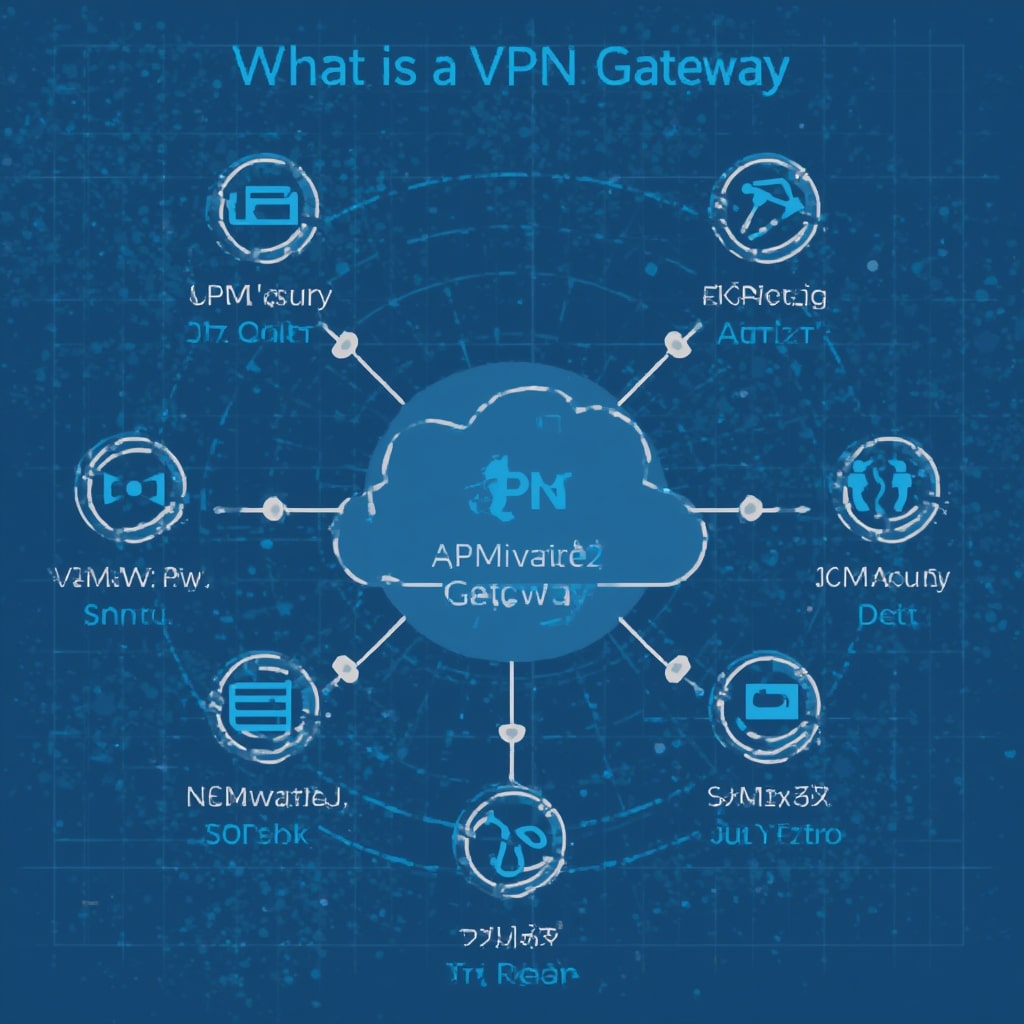
When you first search for what is a vpn gateway, you probably expect a simple definition, but the reality is far richer. A VPN gateway is the device or service that terminates a VPN tunnel, encrypting and decrypting traffic between your private network and the public internet. In cities like New York or London, businesses rely on these gateways to protect sensitive financial data and to comply with local regulations.
Equally important is understanding what is a vpn tunnel. A VPN tunnel is the encrypted “pipe” that carries your data across the internet, hiding the payload from prying eyes. Whether you are streaming from Sydney or accessing a corporate intranet from Toronto, the tunnel guarantees confidentiality and integrity.
In this guide we will answer “what is a vpn gateway” and “what is a vpn tunnel” repeatedly, because mastering both concepts unlocks the full potential of secure remote access, site‑to‑site connections, and gaming privacy. We’ll also show how major cloud providers like Azure and AWS implement these technologies, and we’ll provide actionable, geo‑specific examples for users in the United States, Europe, and Asia‑Pacific.
By the end of this article you will be able to:
- Explain the role of a VPN gateway in a corporate network.
- Describe how a VPN tunnel secures traffic between endpoints.
- Deploy a gateway and tunnel on Windows, macOS, Azure, AWS, and even a PS5.
- Troubleshoot common issues and optimize performance for streaming, gaming, and remote work.
Step‑By‑Step Instructions
1. Clarify the Architecture: Gateway vs. Tunnel
Before you click “Connect”, answer these two questions: what is a vpn gateway in your environment, and what is a vpn tunnel that will link your device to that gateway? In a typical corporate scenario, the gateway sits in a data center or cloud (Azure, AWS) while the tunnel is the encrypted link created by the client software on your laptop.
For a quick visual, imagine a bridge in San Francisco: the bridge (gateway) holds the road, while the traffic flow underneath (tunnel) moves cars safely across water. The same principle applies to digital traffic.
2. Choose the Right Cloud Provider (Azure Example)
If you’re building a new VPN infrastructure, Microsoft Azure offers a robust VPN gateway service. The official documentation explains the concepts in depth: Azure VPN gateway overview. Follow these steps to create a gateway:
- Log in to the Azure portal and select “Create a resource”.
- Search for “Virtual Network Gateway” and click “Create”.
- Choose the VPN type (Route‑based is recommended for most scenarios).
- Assign a public IP address and configure the SKU based on expected bandwidth.
- Complete the creation; Azure will provision the gateway in minutes.
After the gateway is up, you can answer what is a vpn tunnel by creating a connection from your on‑premises VPN device or from a Windows 10 client.
3. Create a Site‑to‑Site Tunnel on AWS (Alternative Cloud)
AWS provides a similar service called a Site‑to‑Site VPN. Review the official guide here: AWS Site‑to‑Site VPN. The process mirrors Azure’s:
- Navigate to the VPC console and select “VPN Connections”.
- Choose “Create VPN Connection” and link it to a Virtual Private Gateway.
- Download the configuration file for your on‑premises device.
- Upload the file to your hardware or software VPN appliance.
- Confirm the tunnel status; both “IPsec tunnel 1” and “tunnel 2” should be “UP”.
At this stage you’ve answered what is a vpn tunnel by establishing a live encrypted link between AWS and your corporate network.
4. Deploy a Client‑Side VPN Gateway on Windows 10
Now that you understand the cloud side, let’s configure a client that will talk to the gateway. For Windows 10 users:
- Open Settings → Network & Internet → VPN.
- Click “Add a VPN connection”.
- Enter the gateway’s public IP or DNS name (this is the what is a vpn gateway you just created).
- Choose “IKEv2” as the VPN type for better performance.
- Enter your credentials, save, and click “Connect”.
If the connection fails, verify that the firewall on your local machine allows outbound UDP 500 and 4500, the ports required for IPsec tunnels – the very essence of what is a vpn tunnel.
5. Set Up a VPN Gateway on macOS (MacBook Air Example)
Mac users can achieve the same result using the built‑in VPN client. Follow the steps below (the internal link is used once later):
- Open System Settings → Network → “+” to add a new service.
- Select “VPN” and then “IKEv2”.
- Enter the gateway address, remote ID, and your authentication details.
- Click “Apply” and then “Connect”.
This process shows another practical answer to what is a vpn gateway and reinforces how the tunnel you just created (what is a vpn tunnel) carries your macOS traffic securely.
6. Enable VPN on Gaming Consoles (PS5)
Gamers often wonder whether a VPN can improve latency or bypass geo‑restrictions. The answer lies in routing your console’s traffic through a gateway. Follow this guide (internal link used once): How to put a VPN on PS5. The key steps are:
- Configure a VPN router (or a virtual router on a Windows PC) that points to your cloud gateway.
- Connect the PS5 to that router via Ethernet or Wi‑Fi.
- Test the connection; you should see an IP address matching the gateway’s region (e.g., a German IP for EU servers).
Here, the router acts as a local what is a vpn gateway, and each game packet travels through a what is a vpn tunnel to the internet.
7. Build Your Own Personal VPN Server
If you prefer a DIY approach, you can create a personal VPN gateway on a home server or a cheap VPS. The step‑by‑step guide is available here (internal link used once): How to make ur own VPN. Typical steps include installing OpenVPN or WireGuard, opening UDP/443 ports, and configuring client profiles.
Once your server is live, the client devices will connect to it, answering what is a vpn gateway (your personal server) and creating a what is a vpn tunnel for all your traffic.
8. Disable VPN When Not Needed (Windows 10 and macOS)
Keeping a VPN on constantly can drain battery and increase latency for local services. To temporarily disable it on Windows 10, see this guide (internal link used once): How to disable VPN on Windows 10. On macOS, follow the instructions here (internal link used once): How to disable VPN on MacBook Air. Turning off the client effectively halts the what is a vpn tunnel while leaving the what is a vpn gateway ready for future connections.
9. Make TikTok Work With a VPN (Social Media Example)
In some regions, TikTok restricts content based on IP location. By routing through a gateway in a supported country, you can restore full functionality. Follow the tutorial (internal link used once): How to make TikTok work with VPN. The underlying principle remains the same: your device contacts the what is a vpn gateway, which establishes a what is a vpn tunnel to the TikTok servers.
Tips
Choose the Right Protocol – IKEv2 offers fast reconnections, OpenVPN provides broad compatibility, and WireGuard delivers high throughput with low overhead. Your choice influences how the tunnel (what is a vpn tunnel) performs, especially on mobile networks in places like Bangkok or São Paulo.
Use Geo‑Specific DNS – Pair your VPN gateway with DNS servers located in the same region (e.g., Cloudflare’s 1.1.1.1 for the US, 1.1.0.0 for Europe). This reduces latency and avoids split‑DNS issues that could expose your real IP when answering what is a vpn gateway.
Monitor Tunnel Health – Most gateways (Azure, AWS) provide metrics like “Tunnel Status” and “IKE SA”. Regularly review these to ensure your what is a vpn tunnel remains “UP”. Automated alerts can prevent unexpected downtime for remote offices in Johannesburg.
Layered Security – Combine the VPN gateway with firewall rules that limit inbound traffic to specific subnets. This hardens the gateway and prevents malicious actors from exploiting the tunnel you built for what is a vpn tunnel.
Alternative Methods
If a traditional site‑to‑site VPN does not fit your needs, consider these alternatives:
- Software‑Defined Perimeter (SDP) – Creates dynamic, zero‑trust connections without a fixed gateway. Useful for distributed teams in Melbourne or Dubai.
- SSH Tunneling – A lightweight way to emulate a what is a vpn tunnel for a single port or service, ideal for developers testing APIs.
- Cloud‑Hosted Proxies – Services like Cloudflare Warp act as a gateway and automatically establish an encrypted tunnel, simplifying the “what is a vpn gateway” question for casual users.
Each method still revolves around the core concepts of a gateway and a tunnel, just with different implementation details.
Conclusion
Understanding what is a vpn gateway and what is a vpn tunnel is essential for anyone who values privacy, compliance, or low‑latency access across continents. Whether you deploy a cloud‑based gateway in Azure, a site‑to‑site tunnel in AWS, or a personal server at home, the principles remain the same: the gateway terminates connections, and the tunnel protects data in transit.
We covered real‑world steps for Windows, macOS, gaming consoles, and social media, and we highlighted geo‑specific scenarios from New York to Sydney. By following the instructions and tips above, you can confidently answer the recurring question “what is a vpn gateway?” and “what is a vpn tunnel?” in any network environment.
Remember to regularly audit your gateway settings, monitor tunnel health, and adjust DNS or firewall policies to keep performance optimal. With the knowledge from this guide, you’re ready to build secure, reliable connections that span the globe.
“`