
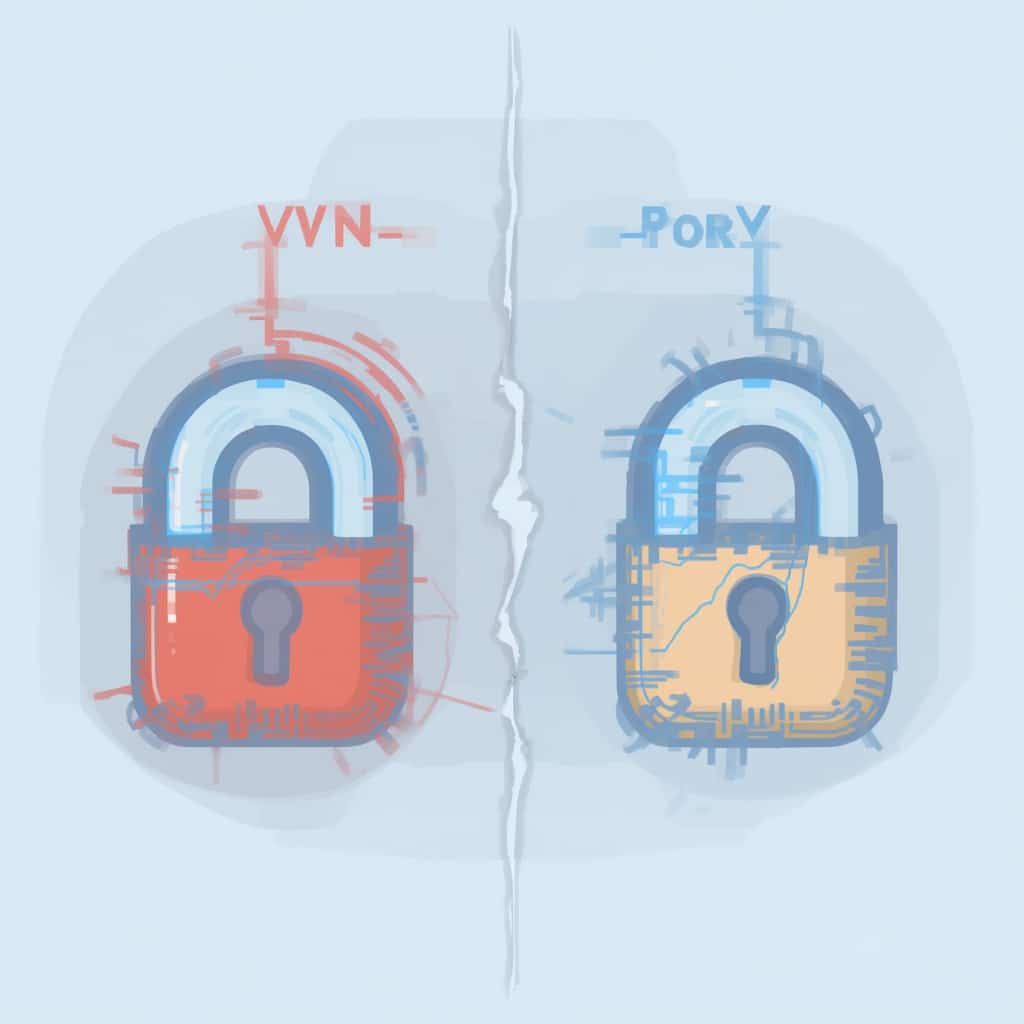

Introduction
When you start researching online privacy, the first question that usually pops up is what is the difference between a vpn and a proxy. Both technologies promise anonymity, but they work in fundamentally different ways.
Understanding what is the difference between a vpn and a proxy is essential before you decide which tool fits your daily routine—whether you’re streaming a British drama in Sydney, buying a cheaper flight from New York, or protecting corporate data in a Berlin office.
In the same vein, the phrase vpn vs proxy server differences often appears in tech forums, security blogs, and even on Reddit discussions like Why use a proxy instead of a VPN?. Those conversations highlight real‑world scenarios where one may outperform the other.
In this article we’ll break down the what is the difference between a vpn and a proxy question from three angles: technical architecture, performance impact, and legal‑compliance implications. We’ll also explore the vpn vs proxy server differences that matter for users in the United States, United Kingdom, Canada, Australia, and India.
By the end of the guide you’ll have a clear mental model, a ready‑to‑use setup checklist, and a set of best‑practice tips that keep your traffic fast, secure, and geo‑appropriate.
Step‑by‑Step Instructions
1. Define Your Goal and GEO Target
Start by asking yourself: Do I need true encryption for banking in the US, or just IP masking to watch a Japanese anime in Tokyo? Your answer will dictate whether the what is the difference between a vpn and a proxy leans toward a full‑tunnel VPN or a lightweight proxy.
Map the GEO requirement:
• United States – access Netflix US library.
• United Kingdom – watch BBC iPlayer from Dubai.
• Canada – stream Canadian Hockey Night.
• Australia – catch the AFL Grand Final in Berlin.
• India – read local news sites blocked abroad.
2. Choose the Right Tool
If you need end‑to‑end encryption, a VPN wins the vpn vs proxy server differences battle. If you only need to change your apparent location for a single app, a proxy may be lighter and faster.
Popular choices:
• VPN – NordVPN, ExpressVPN, Private Internet Access.
• Proxy – HTTP/SOCKS5 proxies from Bright Data or free web‑based proxies.
3. Install the VPN Client
Download the official client from the provider’s website, run the installer, and log in with your credentials. Most modern clients auto‑detect the best protocol (WireGuard, OpenVPN, IKEv2).
Once installed, open the app, select a server in the desired GEO region (e.g., “London – UK” for BBC iPlayer), and click “Connect.” The client will display a new IP address, confirming the tunnel is active.
4. Configure a Proxy (if needed)
For a proxy, you’ll typically edit the network settings of the target application. For example, to route only YouTube TV traffic through a proxy, go to the app’s advanced settings and input the proxy host and port.
Read the full guide on using a proxy with a streaming service here: How to use VPN with YouTube TV. Even though the article mentions a VPN, the proxy configuration steps are identical.
5. Verify the Connection
Open a browser and visit whatismyip.com. Check that the displayed IP belongs to the server’s country. For a proxy, you may need a tool like curl -x socks5://proxyhost:port https://ifconfig.me to confirm the IP change.
Repeat the test from a mobile device (iOS or Android). If you need to turn off a VPN on an iPhone, follow the short guide here: How to get rid of a VPN on iPhone.
6. Adjust Split‑Tunneling (Advanced)
Most premium VPNs let you route only selected apps through the encrypted tunnel. Enable split‑tunneling for banking, email, and remote work, while letting streaming apps use the direct connection for maximum speed.
This is where the what is the difference between a vpn and a proxy becomes practical: a proxy can be set per‑app without affecting system‑wide traffic, but it won’t encrypt the data.
7. Optimize for Speed and Latency
Choose servers that are geographically close to your physical location for the best latency. For example, a user in New Delhi should select a “Singapore” server for lower ping when accessing Indian streaming platforms that block foreign IPs.
If you notice buffering, switch from OpenVPN UDP to WireGuard, or try a SOCKS5 proxy for that specific app. The vpn vs proxy server differences are evident in speed benchmarks: proxies typically add <5 ms, VPNs add <30‑50 ms depending on encryption.
8. Secure Your DNS
Never rely on ISP DNS when using a VPN. Enable “DNS leak protection” in the client or manually set Cloudflare (1.1.1.1) or Google (8.8.8.8) DNS over TLS. Proxies generally don’t handle DNS, so you must configure the operating system separately.
9. Test Real‑World Scenarios
• To watch shows from other countries, follow this guide: How to use VPN to watch shows from other countries.
• To snag cheaper flights, check the steps in How to use VPN to buy cheaper flights.
These examples illustrate why the what is the difference between a vpn and a proxy conversation matters for everyday savings.
10. Maintain and Rotate Keys
For enterprise environments, rotate VPN credentials every 90 days. For personal use, change your proxy password regularly and delete unused proxy servers from your configuration list.
Tips
Tip 1 – Combine Both Tools for Layered Privacy
Run a proxy inside a VPN tunnel. This gives you the speed of a proxy for specific apps while the VPN encrypts everything else. It’s an advanced setup that demonstrates the nuanced what is the difference between a vpn and a proxy landscape.
Tip 2 – Use Local DNS over HTTPS (DoH)
DoH prevents ISP‑level snooping even when the VPN is off. Pair DoH with a proxy to hide both IP and DNS queries.
Tip 3 – Beware of Free Proxies
Free proxies often sell your data. The NordVPN blog on VPN vs proxy warns that paid VPNs typically have stricter no‑logs policies and better performance.
Tip 4 – Optimize for Mobile Data Plans
When on a limited 4G plan in India, enable “Data compression” in the VPN client or choose a lightweight HTTP proxy to save bandwidth.
Tip 5 – Keep Software Updated
Both VPN clients and proxy scripts receive security patches. Set automatic updates to avoid vulnerabilities that could expose the vpn vs proxy server differences you’re trying to mitigate.
Alternative Methods
1. Browser‑Based Extensions
Chrome and Firefox offer proxy‑extension add‑ons that switch the browser’s traffic without affecting other apps. They’re perfect for occasional geo‑bypass, but they don’t encrypt, which is a key vpn vs proxy server differences point.
2. SSH Tunnels
Set up an SSH tunnel to a remote server and configure your device to use it as a SOCKS5 proxy. This method gives you encryption (like a VPN) but requires command‑line knowledge.
3. Cloud‑Based VPN Gateways
Enterprises often deploy cloud VPN gateways (e.g., Azure VPN, AWS Client VPN). These solutions blend the scalability of VPNs with the per‑application control of proxies, blurring the line in the what is the difference between a vpn and a proxy debate.
4. Mobile Hotspot with VPN‑Enabled Router
Install a VPN on a home router and connect your phone via Wi‑Fi hotspot. All devices, including smart TVs, inherit the VPN’s encryption, while you can still run a per‑device proxy for low‑latency gaming.
Conclusion
Answering the question what is the difference between a vpn and a proxy is not just academic—it directly impacts how you stream a UK series in Melbourne, protect corporate data in Frankfurt, or book a cheaper flight from Los Angeles.
The core vpn vs proxy server differences boil down to encryption, scope, and performance. VPNs encrypt the entire connection and hide DNS, making them ideal for banking, remote work, and privacy‑focused users worldwide. Proxies modify only the IP address for selected traffic, offering speed and simplicity for tasks like quick geo‑unblocking.
By following the step‑by‑step instructions, applying the practical tips, and exploring the alternative methods, you can build a layered security stack that respects both your performance needs and regional legal requirements. Whether you’re in Canada, Australia, India, the United Kingdom, or the United States, the right combination of VPN and proxy will keep you fast, safe, and globally connected.
Remember: the technology landscape evolves, but the fundamental what is the difference between a vpn and a proxy and vpn vs proxy server differences concepts stay the same. Stay informed, rotate your credentials, and enjoy a borderless internet.
“`



