

Introduction
In 2025, mobile privacy has become a top priority for users across the United States, Germany, Brazil, and India. Whether you’re streaming Netflix in New York, browsing public Wi‑Fi in Berlin, or working remotely from Mumbai, knowing how to activate vpn on android can protect your data from prying eyes.
This guide also covers the essential steps for setup vpn on android device in a way that suits both beginners and seasoned tech enthusiasts. By the end of the article you’ll be able to secure your Android phone, bypass geo‑restrictions, and enjoy smoother streaming.
We’ll dive into real‑world GEO scenarios—like accessing UK BBC iPlayer from Sydney, or connecting to a corporate network in Toronto—while staying within legal boundaries. The focus remains on practical, actionable steps, supported by reliable resources such as Whats My VPN for quick IP checks.
Ready to master how to activate vpn on android and setup vpn on android device? Let’s begin.
Step‑by‑Step Instructions
1. Choose a Trusted VPN Provider
Before you learn how to activate vpn on android, pick a service that offers strong encryption, a no‑logs policy, and servers in the regions you need. For example, a VPN that includes servers in Tokyo, Paris, and São Paulo helps you appear locally in those countries.
Check out Whats a Good VPN to Use for a curated list of providers that meet these criteria.
2. Install the VPN Application
Open the Google Play Store, search for your chosen VPN, and tap “Install.” After installation, launch the app and sign in with your credentials. This step is the cornerstone of any setup vpn on android device process.
3. Grant Required Permissions
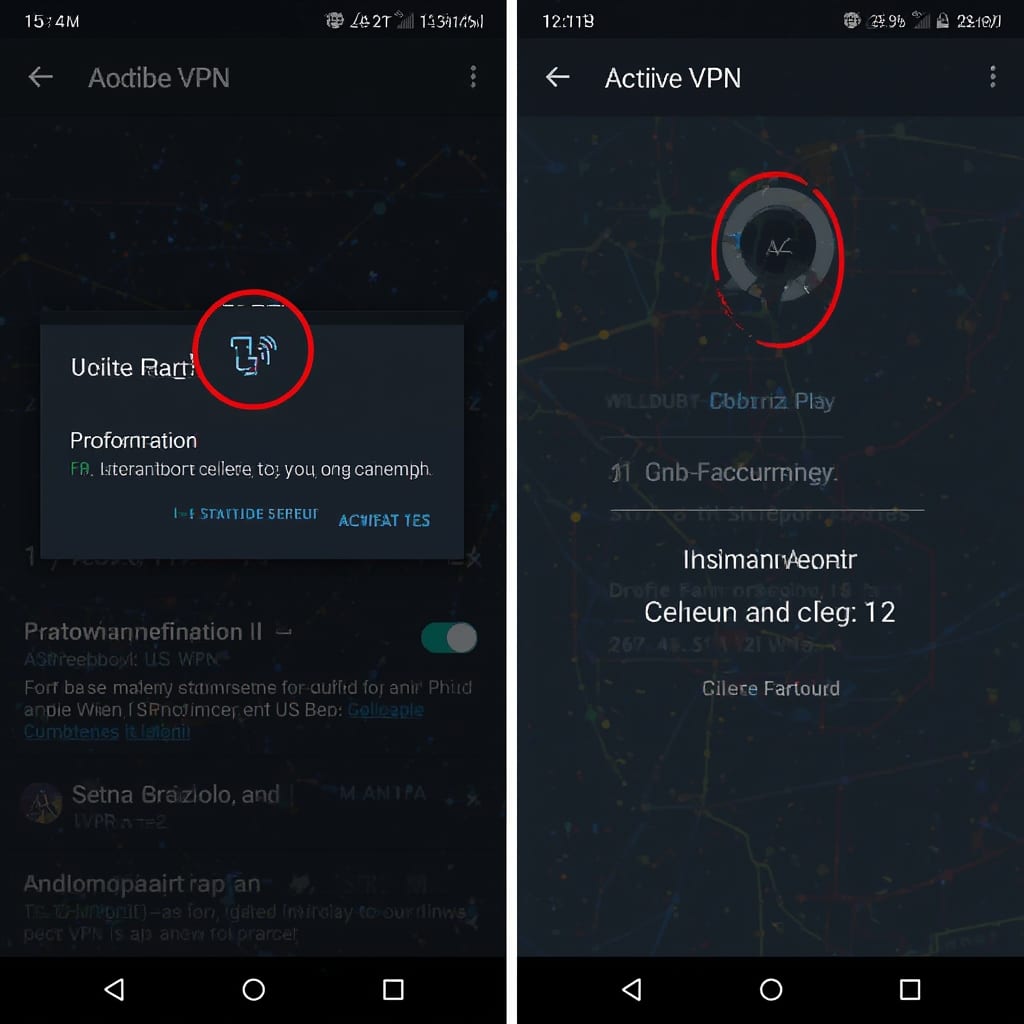
Android requires explicit permission to create a virtual network interface. When prompted, allow the “VPN” permission. If you’re using Android 13 or later, you’ll also see a “Always on VPN” toggle—this is useful for continuous protection.
For a deeper dive into Android’s built‑in VPN settings, visit Mozilla’s guide: How to Enable Always‑On VPN on Android.
4. Configure Server Location
Navigate to the server list within the app. Choose a location that aligns with your GEO goal—e.g., a London server to watch UK‑only content, or a Singapore server for fast connections in Southeast Asia.
Remember, the choice of server directly influences latency, so test multiple locations for the best experience.
5. Activate the VPN Connection
Tap the “Connect” button. After a few seconds, Android will display a key icon in the status bar, confirming that the how to activate vpn on android step succeeded.
To verify the new IP address, open Whats My VPN. The displayed IP should belong to the server you selected.
6. Set Up Always‑On Mode (Optional)
If you need uninterrupted protection—like when using public Wi‑Fi at airports—enable “Always‑On VPN” in Android Settings > Network & Internet > VPN. This forces the device to reconnect automatically after a reboot or network change.
7. Test Connectivity and Leak Protection
Run a DNS leak test on a site like DNSLeakTest.com. Ensure the reported DNS servers match those of your VPN provider. A clean result confirms a successful setup vpn on android device.
8. Optimize for Battery Life
Some VPNs offer a “Battery Saver” mode that reduces background polling. Activate this if you notice faster drain while streaming or gaming on the go.
9. Troubleshoot Common Issues
If the VPN fails to connect, try switching protocols (OpenVPN → WireGuard) in the app’s settings, or temporarily disable Android’s “Data Saver.” For persistent problems, consult the provider’s support portal.
10. Secure Your Android Account
Enable two‑factor authentication (2FA) on your VPN account and on your Google account. This adds a second layer of security, complementing the protection you gained from learning how to activate vpn on android.
Tips for a Smooth VPN Experience
Use Split Tunneling When Needed
Split tunneling lets you route only specific apps (like banking or email) through the VPN while leaving other traffic (like local streaming) on your regular connection. This reduces latency for high‑bandwidth services.
Leverage DNS Over HTTPS (DoH)
Most modern VPNs support DoH, encrypting DNS queries in addition to regular traffic. Enabling DoH further shields you from ISP‑level snooping, especially in regions with strict surveillance.
Watch for Geo‑Specific Speed Variations
Servers in countries with robust fiber infrastructure (e.g., Sweden, South Korea) often deliver higher speeds. If you notice slow performance while trying to setup vpn on android device, switch to a server in a nearby data‑center.
Keep Your Android Updated
Security patches in Android 14 and later include improvements to the VPN API, reducing the attack surface. Regular updates help ensure that the steps you followed for how to activate vpn on android remain effective.
Combine VPN with a Trusted DNS Resolver
Pairing your VPN with a privacy‑focused DNS resolver (like Quad9 or Cloudflare) prevents accidental DNS leaks, a critical consideration when you activate vpn on android in high‑risk environments.
Alternative Methods to Activate a VPN on Android
Manual L2TP/IPsec Configuration
If you prefer not to use a third‑party app, Android supports native L2TP/IPsec connections. Go to Settings > Network & Internet > VPN > Add VPN. Fill in the server address, L2TP secret, and your credentials. This method is ideal for corporate environments that provide a dedicated VPN endpoint.
Using OpenVPN Connect
OpenVPN Connect is an open‑source client that works with .ovpn configuration files. Download the app from the Play Store, import the file supplied by your VPN provider, and tap “Connect.” This gives you granular control over encryption settings, which can be useful for advanced users trying to setup vpn on android device for custom corporate policies.
WireGuard App
WireGuard is praised for its lightweight design and fast performance. Install the WireGuard app, import a configuration QR code or file, and toggle the connection. Many providers now include WireGuard as a default protocol, making the how to activate vpn on android process even simpler.
Using Android’s Built‑In “Private DNS” Feature
Android 9+ offers a “Private DNS” option (Settings > Network & Internet > Private DNS). Set the hostname to your provider’s DNS‑over‑TLS address (e.g., “dns.google”). While not a full VPN, this encrypts DNS traffic and can complement the steps you take for how to activate vpn on android.
Leveraging Third‑Party Router VPNs
For households with multiple Android devices, consider configuring a VPN directly on a home router. This way, every device—including tablets, smart TVs, and IoT gadgets—benefits from the VPN tunnel without individual configuration. You still need to setup vpn on android device for apps that require a dedicated connection, but overall network security improves.
Conclusion
Mastering how to activate vpn on android and understanding the nuances of setup vpn on android device empowers you to protect personal data, bypass geo‑blocks, and enjoy a seamless online experience worldwide.
From selecting a reputable provider—referencing What’s a VPN on iPhone for cross‑platform consistency—to configuring split tunneling, the steps outlined here cover every angle. Remember to verify your IP via Whats My VPN, test for DNS leaks, and enable “Always‑On” for uninterrupted security.
Whether you’re a traveler in Canada, a remote worker in Kenya, or a gamer in South Korea, the strategies presented will keep your Android device shielded. Implement the tips, experiment with alternative methods, and stay updated with the latest Android releases to maintain the highest level of privacy.
Now you have the complete toolkit to confidently activate vpn on android and setup vpn on android device in any scenario. Safe browsing!
“`



