
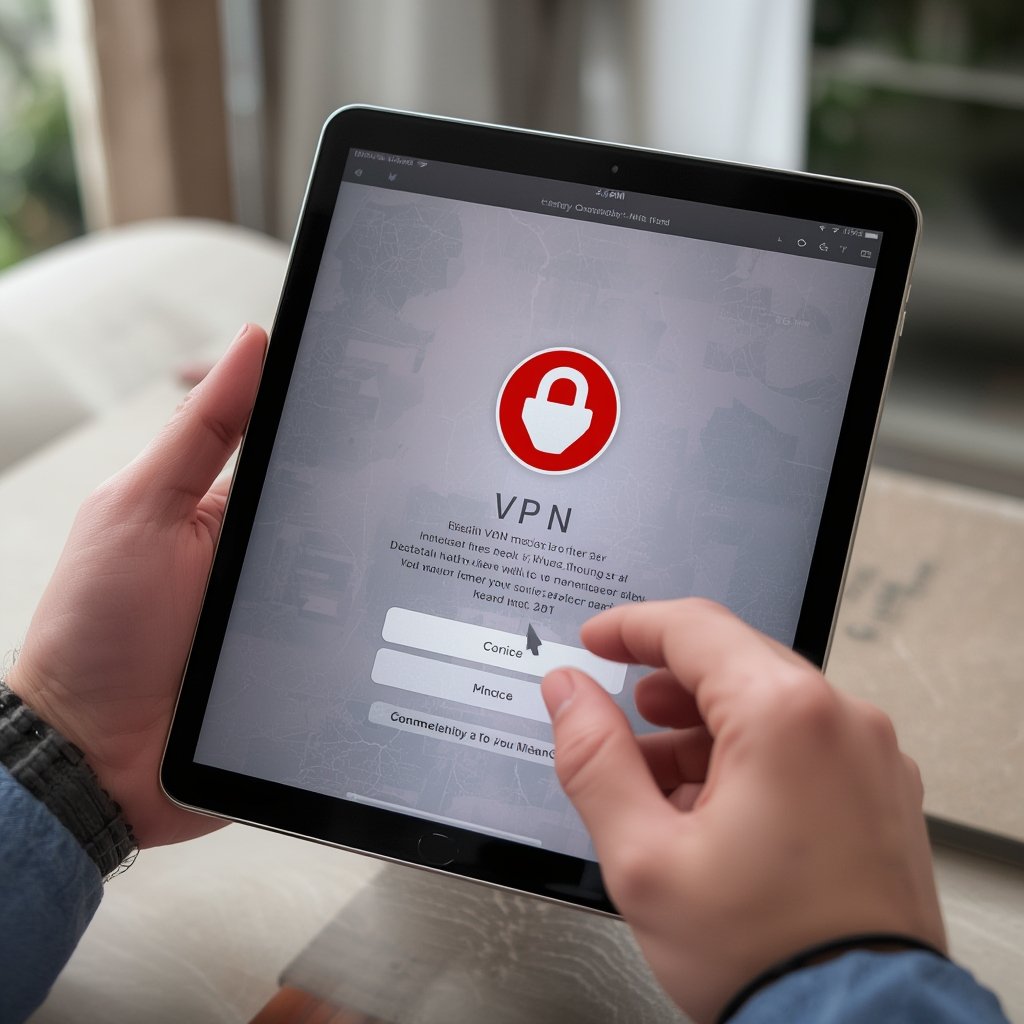

Introduction
If you’ve ever wondered how to get vpn on ipad, you’re not alone. 2025 has seen a surge in remote work, streaming geo‑locked content, and heightened privacy concerns, making a reliable VPN essential for iPad users across the globe.
In this guide we’ll walk you through the exact steps to how to get vpn on ipad, explore the nuances of setup vpn on ipad, and provide actionable tips for optimizing performance in different regions—from New York to Tokyo.
Whether you’re a frequent traveler needing a secure connection in cafés, a student streaming educational videos, or a professional accessing corporate resources, mastering how to get vpn on ipad will protect your data and bypass geo‑restrictions. Let’s dive in and also cover setup vpn on ipad best practices.
Step‑By‑Step Instructions
1. Choose a Trusted VPN Provider
The first decision in your how to get vpn on ipad journey is selecting a reputable service. Look for a provider with a strict no‑logs policy, fast servers in your target regions, and native iOS apps. Providers that partner with privacy‑focused organizations like the Electronic Frontier Foundation often offer stronger security guarantees.
2. Download the Official iOS App
Open the App Store on your iPad, search for the chosen VPN, and tap “Get.” After installation, launch the app and sign in with your credentials. This is the core of the how to get vpn on ipad process.
3. Configure the VPN Settings (Manual Option)
If you prefer a manual configuration, go to Settings → General → VPN & Device Management → VPN → Add VPN Configuration…. Choose “IKEv2,” “IPSec,” or “L2TP” based on your provider’s instructions. Enter the server address, remote ID, and your authentication credentials.
This manual route is the heart of setup vpn on ipad. Double‑check that “Connect On Demand” is enabled if you want the VPN to activate automatically when connecting to unsecured Wi‑Fi.
4. Connect to a Server
Inside the VPN app, select a server location that matches your geo‑needs—e.g., a New York server for US‑based streaming, or a Singapore node for low‑latency gaming in Southeast Asia. Tap “Connect” and wait for the green indicator. This completes the primary how to get vpn on ipad step.
5. Verify the Connection
Open Safari and visit Cloudflare’s learning page. The site will display your public IP; confirm that it reflects the VPN server’s location. A successful verification confirms that your setup vpn on ipad is functional.
6. Optimize for Specific Apps
Many VPN apps include split‑tunneling. Enable it for high‑bandwidth apps like Netflix or gaming platforms while keeping other traffic routed through the VPN for privacy. This fine‑tuning is a crucial part of mastering how to get vpn on ipad.
7. Test Geo‑Specific Access
Try streaming a US‑only show from a European server or access a UK banking portal while connected to a London node. Successful access demonstrates that your setup vpn on ipad is correctly routing traffic.
Tips for a Seamless VPN Experience
Keep Your App Updated
VPN providers release security patches frequently. Enable automatic updates in the App Store to ensure you always have the latest features and vulnerability fixes.
Use a Dedicated DNS
Switch to privacy‑focused DNS servers such as Cloudflare’s 1.1.1.1 or Google’s 8.8.8.8. This reduces DNS leaks and complements your setup vpn on ipad.
Enable Kill Switch
A kill switch cuts internet access if the VPN drops unexpectedly, preventing accidental data exposure. Activate it in the app’s settings for an extra layer of protection.
Consider a Self‑Hosted VPN Server
If you want full control, you can create your own VPN server on a cloud provider. Then configure your iPad to connect to that server, which is a more advanced variation of setup vpn on ipad.
Regional Performance Tweaks
Users in high‑latency regions (e.g., rural Australia) may experience slower speeds. Select servers physically closer to your location or use protocols optimized for speed such as WireGuard.
Alternative Methods to Secure Your iPad
Using a Chromebook as a VPN Bridge
If you own a Chromebook, you can share its VPN connection with your iPad via Wi‑Fi hotspot. Follow the guide on how to get vpn on chromebook to set up the bridge, then connect your iPad to the hotspot.
Leveraging Built‑In iOS VPN Profiles
Some corporate environments provide .mobileconfig files that automatically configure VPN settings. Import the profile by emailing it to yourself and opening the attachment on the iPad.
Third‑Party Proxy Apps
While not a full VPN, proxy apps (e.g., Shadowsocks) can route specific app traffic. Use them when you need lightweight routing without the overhead of a full tunnel.
Using a Router‑Based VPN
Configure your home router with OpenVPN or WireGuard. All devices, including your iPad, will inherit the VPN connection without individual apps.
Conclusion
Mastering how to get vpn on ipad is no longer a niche skill; it’s a necessity for anyone who values privacy, freedom, and reliable access to global content. By following the detailed setup vpn on ipad steps outlined above, you can protect your data, bypass geo‑blocks, and enjoy a faster, more secure browsing experience.
Remember to keep your app updated, use a kill switch, and test your connection regularly. For power users, creating a personal VPN server or leveraging a Chromebook bridge offers additional flexibility. Whether you’re streaming in London, working from a co‑working space in São Paulo, or simply browsing on public Wi‑Fi in a Dubai airport, the strategies shared here ensure that your iPad remains a safe gateway to the internet.
Take the next step today: install a reputable VPN, follow the how to get vpn on ipad checklist, and experience the internet without borders. Your privacy, speed, and geo‑accessibility depend on it.
“`



