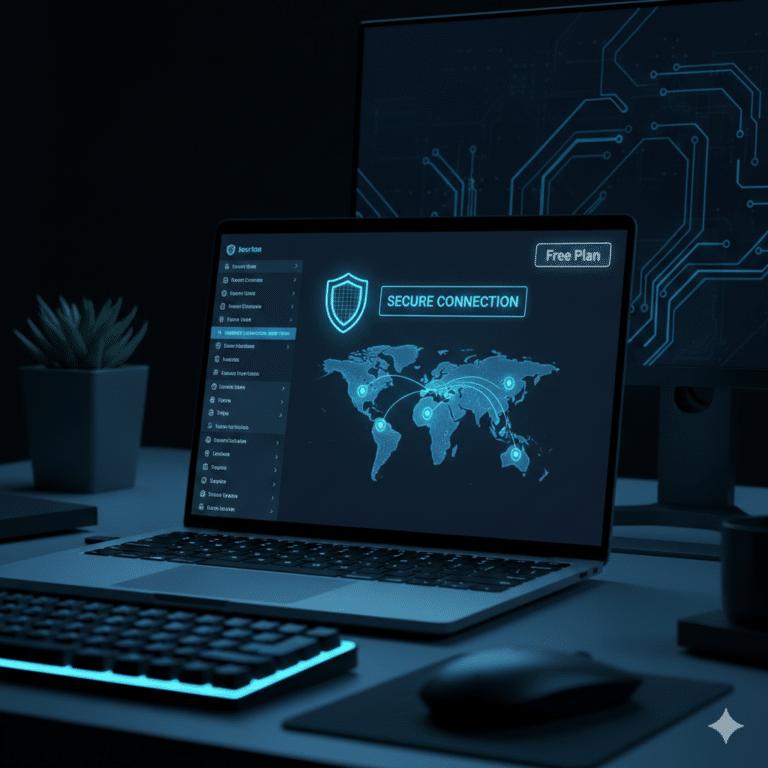

Introduction
TunnelBear is a user‑friendly VPN that lets anyone, from beginners to seasoned net‑hardeners, protect their privacy on the internet. In this guide we’ll show how to use tunnelbear step by step, and we’ll also walk through the tunnelbear setup guide. Whether you’re in Europe, Asia, or the Americas, understanding these steps helps keep your data secure against snoops, censors, and targeted ads.
The rise of location‑based restrictions, especially on streaming services, has made VPNs indispensable. For example, if you’re in a country where certain shows are blocked, a VPN can shift your virtual presence to a compliant region. But not every VPN is created equal, and the quality of the setup process matters. That’s why we’ll focus on the simple yet powerful interface of TunnelBear and explain everything you need to know to get it working in minutes.
Throughout this article we’ll also touch on related resources such as the Stremio availability, the status of TunnelBear servers, and whether the service remains free or moves to a paid tier. By the end, you will have mastered the how to use tunnelbear and the tunnelbear setup guide for everyday use.
Step‑by‑Step Instructions
1. Create an Account and Download the App
Start by visiting the official TunnelBear website and choosing a plan. For most casual users, the free tier is adequate, but we’ll discuss pricing later. Click the download button for your device – available for Windows, macOS, Linux, Android, and iOS. Once downloaded, run the installer and follow the on‑screen prompts.
2. Installing the Browser Extension (Optional)
For extra convenience, install the TunnelBear extension on Chrome, Firefox, or Edge. This extension offers quick toggles and bypasses some content blockers. After installation, sign in with the same credentials you used for the desktop app.
3. Launch the App and Sign In
Open the application and enter your credentials. You will see a simple interface with a “Connect” button and a list of servers labeled by country. The free plan offers 500 MB of monthly data, while paid plans unlock unlimited traffic.
4. Selecting a Server
Click the map or the drop‑down list to pick a server. If you want to stream a US‑based series, select a North American server. For browsing in Asia, choose a Japanese or Singapore server. The app automatically chooses the fastest nearby server if you leave the setting on “Automatic.”
5. Connecting to the VPN
Press the big, green button that reads “Connect.” The status will change to “Connected.” A green shield icon appears in the system tray or notification bar, indicating that your traffic is now encrypted.
6. Verifying Your New IP Address
Visit a site like iplocation.net or simply Google “what is my IP.” If the displayed country matches the server you selected, your VPN is functioning correctly.
7. Using TunnelBear with Streaming Platforms
Many users report success using TunnelBear to unlock geo‑restricted streaming services. To test, open a service such as Netflix, Hulu, or Amazon Prime. If the service asks for a VPN block, toggle the connection to a different server and retry. For a deeper dive into streaming, see our Stremio availability page.
8. Troubleshooting Common Issues
• Connection Refused or Timeout: Check if the TunnelBear servers are currently down. Read our status update here.
• Slow Speeds: Switch to a server closer to your physical location.
• DNS Leaks: Enable the “Leak protection” toggle in the settings; this ensures that your DNS requests are routed through the VPN.
9. Customizing Settings
Navigate to the Settings gear icon. From here you can manage auto‑connect on startup, enable “Ghost Mode” for added stealth, and set up a firewall rule to block unencrypted traffic. For advanced users, you can edit the hosts file or configure split tunneling.
10. Logging Out and Uninstalling
If you no longer need TunnelBear, log out from the app and uninstall it through your OS’s standard removal process. This ensures your account data and credentials are removed from your device.
Tips
Optimize Speed with Server Choice
Speed varies by server load. If you notice latency, try a server in a different city but same country. Many users find that choosing a server with a dedicated high‑bandwidth connection (e.g., “New York” or “London”) improves streaming quality.
Keep Your App Updated
VPN developers frequently release patches that improve security and fix bugs. Always enable auto‑updates to stay protected. The app will prompt you whenever a new version is available.
Use the Mobile App for On‑the‑Go Protection
When traveling, the mobile app is handy for staying safe on public Wi‑Fi. Simply tap “Connect” before you log into any banking or email account.
Prevent Data Leakage with Leak Protection
TunnelBear offers an option that routes all DNS queries through the VPN. Enable this in the settings to avoid inadvertent exposure of your real IP.
Bypass Geo‑Restrictions on Gaming Servers
Some online games block VPN connections. If you experience disconnections, switch to a low‑latency server and enable “Stealth Mode” to disguise VPN traffic.
Check for Server Outages Quickly
When encountering repeated connection failures, visit our server status page to see if maintenance is underway. This saves time troubleshooting.
Alternative Methods
Using a Browser‑Based VPN Instead of an App
For quick one‑time access, you can use a browser‑based VPN extension from a trusted provider. However, the full‑system coverage that the TunnelBear app provides is superior, especially for protecting mobile data on public Wi‑Fi.
Choosing a Paid VPN Over TunnelBear’s Free Tier
If you need unlimited data or faster speeds, consider alternatives such as Cloudflare’s Warp or a premium provider that offers advanced features like multi‑hop routing.
Combining Multiple VPNs for Extra Security
Advanced users can run a “double‑VPN” by connecting to TunnelBear first, then to another VPN client. This adds another encryption layer but may reduce speed.
Switching to a More Robust Free VPN
If the free TunnelBear plan’s 500 MB limit is too restrictive, free options like ProtonVPN or Windscribe offer more generous data caps while maintaining privacy standards. Always evaluate EFF’s recommendations for reliable free services.
Consider a Dedicated VPN Router
Installing a VPN on a router ensures all devices in your home benefit from the same encrypted connection. TunnelBear also provides a router configuration guide for compatible models.
Conclusion
In this guide we’ve covered the how to use tunnelbear and the tunnelbear setup guide in a way that’s approachable for both newcomers and seasoned privacy advocates. By following the step‑by‑step instructions, you’ll be able to secure your internet traffic, bypass geo‑blocks, and keep your data safe from prying eyes.
Remember that while TunnelBear offers a solid foundation for privacy, you should also stay informed about emerging threats and best practices. Regularly check Cloudflare’s learning center for insights into how DNS leaks affect your security, and refer to the EFF’s website for the latest privacy guidelines.
Whether you’re streaming across borders, protecting your personal information on public Wi‑Fi, or simply browsing without fear of surveillance, mastering the how to use tunnelbear process gives you a powerful tool in today’s digital landscape. If you need further assistance, visit our pricing and feature comparison page or reach out to our support community. Happy and safe surfing!