
Your IP address is one of the most important pieces of data tied to your internet connection. Every website, app, streaming service, and online game uses it to identify where traffic should go.
It also exposes more about you than most people think.
Websites can estimate your location from it. Advertisers use it for tracking. Your internet provider can log browsing activity tied to it. In some cases, attackers can use it for harassment, port scanning, or denial-of-service attacks.
That’s why privacy tools matter. If you’re unfamiliar with VPNs, this beginner’s guide to VPNs explains how encrypted tunnels protect your internet traffic: https://vpnx.blog/what-is-a-vpn/
According to the Electronic Frontier Foundation, IP addresses are commonly used for tracking and online identification across the web: https://www.eff.org/
What Is an IP Address and Why Does It Matter?
An IP address — short for Internet Protocol address — is a unique numerical identifier assigned to a device connected to a network.
Think of it as the return address for internet traffic.
When you open a website:
- Your device sends a request.
- The website receives your IP address.
- The server sends the requested data back to your device.
Without IP addresses, the internet would not function.
Every internet-connected device has one:
- Phones
- Laptops
- Smart TVs
- Gaming consoles
- Routers
- Smart home devices
Most home users receive a public IP address automatically from their internet service provider (ISP). That public address identifies your network online.
Inside your home, devices usually use private IP addresses assigned by your router. These private addresses are invisible to most external websites.
How Does an IP Address Work?
IP addresses work through a system called the Internet Protocol. It handles how devices identify each other and exchange data across networks.
Here’s the simplified process:
- You type a website address into your browser.
- DNS servers translate the domain name into an IP address.
- Your device connects to the destination server.
- Data moves back and forth between both IP addresses.
This process typically happens in milliseconds.
For example:
- Your laptop may have a private IP like 192.168.1.5
- Your router may expose a public IP like 74.125.xx.xx
The website only sees the public IP.
That matters because public IP addresses can reveal:
- Your approximate city or region
- Your ISP
- Your country
- Sometimes your ZIP-code-level area
They usually cannot reveal your exact street address directly. However, ISPs maintain subscriber records tied to IP assignments.
Public vs Private IP Addresses
Most users interact with two kinds of IP addresses without realizing it.
Public IP Address
This is the address visible to websites and online services.
Your ISP assigns it to your network. If you visit an IP lookup website, this is the number you’ll see.
Public IPs matter because they:
- Enable internet communication
- Reveal rough geographic location
- Can be logged by websites
- Are often used for ad targeting
Private IP Address
Private IP addresses work only inside local networks.
Your router assigns them to devices in your home or office.
Common examples:
- 192.168.x.x
- 10.x.x.x
- 172.16.x.x
Private IPs cannot communicate directly across the public internet without network translation.
What’s the Difference Between IPv4 and IPv6?
Most people still use IPv4 addresses today. They look like this:
192.168.1.1
IPv4 uses roughly 4.3 billion unique addresses. That sounded enormous in the 1980s. It isn’t enough anymore.
IPv6 was introduced to solve address exhaustion. It supports vastly more addresses and improves routing efficiency.
An IPv6 address looks like this:
2001:0db8:85a3:0000:0000:8a2e:0370:7334
Modern ISPs increasingly support both systems simultaneously.
For most users, IPv6 works quietly in the background. But from a privacy perspective, it introduces extra considerations because some VPNs fail to protect IPv6 traffic correctly. That can expose your real identity during browsing sessions.
If you want to understand how VPN traffic tunneling prevents exposure, this guide explains how VPN encryption works in plain English: https://vpnx.blog/how-does-a-vpn-work/
What Information Does Your IP Address Reveal?
Your IP address does not expose your full identity instantly. But it reveals more than many users expect.
A website can usually determine:
- Your country
- Your city or metro area
- Your ISP
- Your approximate timezone
- Whether you’re using mobile or home internet
Combined with browser fingerprinting, cookies, and account logins, your IP becomes a powerful tracking tool.
Streaming services also use IP addresses heavily. Netflix, Hulu, and sports broadcasters check IP geolocation to enforce regional licensing restrictions.
That’s why many users look for ways to change virtual locations online. For example, guides explaining how to get a Canadian IP address are popular among travelers and streaming users trying to access region-specific services: https://vpnx.blog/how-to-get-a-canadian-ip-address/
MAC Address vs IP Address
People often confuse MAC addresses and IP addresses, but they serve different purposes.
An IP address identifies a device across networks.
A MAC address identifies physical hardware inside a local network.
Your MAC address usually stays tied to the network adapter itself, while your IP address can change depending on your connection.
This comparison guide explains MAC address vs IP address differences in more detail: https://vpnx.blog/mac-address-vs-ip-address/
Limitations & Performance Notes:
IP-based privacy tools are not perfect.
A VPN can hide your public IP address, but websites may still identify you through:
- Browser fingerprinting
- Cookies
- Logged-in accounts
- GPS permissions
- WebRTC leaks
Some VPNs also slow internet speeds depending on:
- Server distance
- Encryption overhead
- ISP throttling
- Server congestion
In testing across major VPN providers, nearby servers typically reduce speeds by 10–25%, while distant international servers may reduce speeds by 35% or more during peak hours.
Can Someone Track You Using Your IP Address?
Your IP address alone usually won’t reveal your exact home address. But it can still expose enough information to create privacy and security risks.
In many cases, websites and advertisers use IP-based tracking to build behavioral profiles. Your IP helps connect browsing activity across sessions, devices, and apps.
That matters because your IP address often stays consistent for long periods — especially on home broadband connections.
A typical IP lookup can reveal:
- Your approximate city
- Your ISP
- Your timezone
- Your network type
- Whether you’re using a VPN or proxy
Data brokers combine that information with browser fingerprints, cookies, and account activity to improve ad targeting accuracy.
The Federal Trade Commission has repeatedly warned consumers about online tracking ecosystems that combine multiple identifiers, including IP addresses: https://www.ftc.gov/
What Can Attackers Do With Your IP Address?
Most people don’t face advanced cyberattacks. But exposing your IP publicly still creates unnecessary risk.
Common threats include:
DDoS Attacks
Online gamers and streamers are frequent targets.
An attacker floods your IP address with traffic until your connection becomes unusable. This is called a Distributed Denial-of-Service attack.
Gaming platforms have reduced this risk in recent years, but peer-to-peer games and voice chat systems can still expose IPs directly.
Port Scanning
Attackers sometimes scan public IPs for open services or weak devices.
Poorly secured:
- Routers
- NAS devices
- Smart cameras
- Remote desktop tools
can become entry points.
Geolocation Abuse
Your IP can expose your approximate location to strangers online.
That information sometimes enables:
- Swatting attempts
- Harassment campaigns
- Localized phishing attacks
- Social engineering
For most users, these threats remain uncommon. But reducing exposure still improves privacy.
Can You Hide Your IP Address?
Yes. Several tools can hide or replace your public IP address.
The most effective method for most people is a VPN.
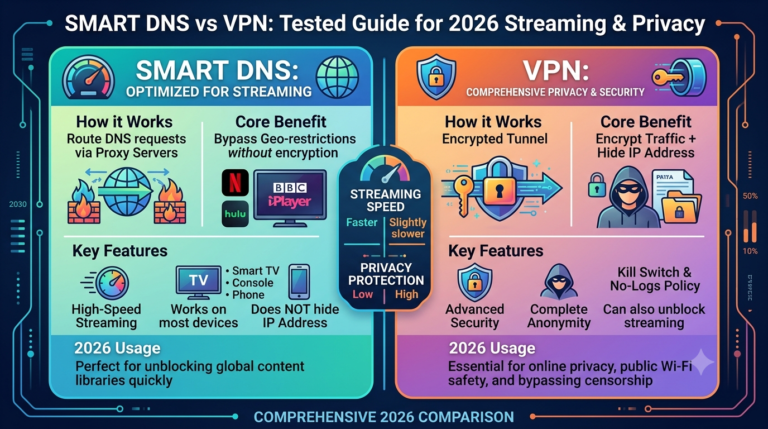
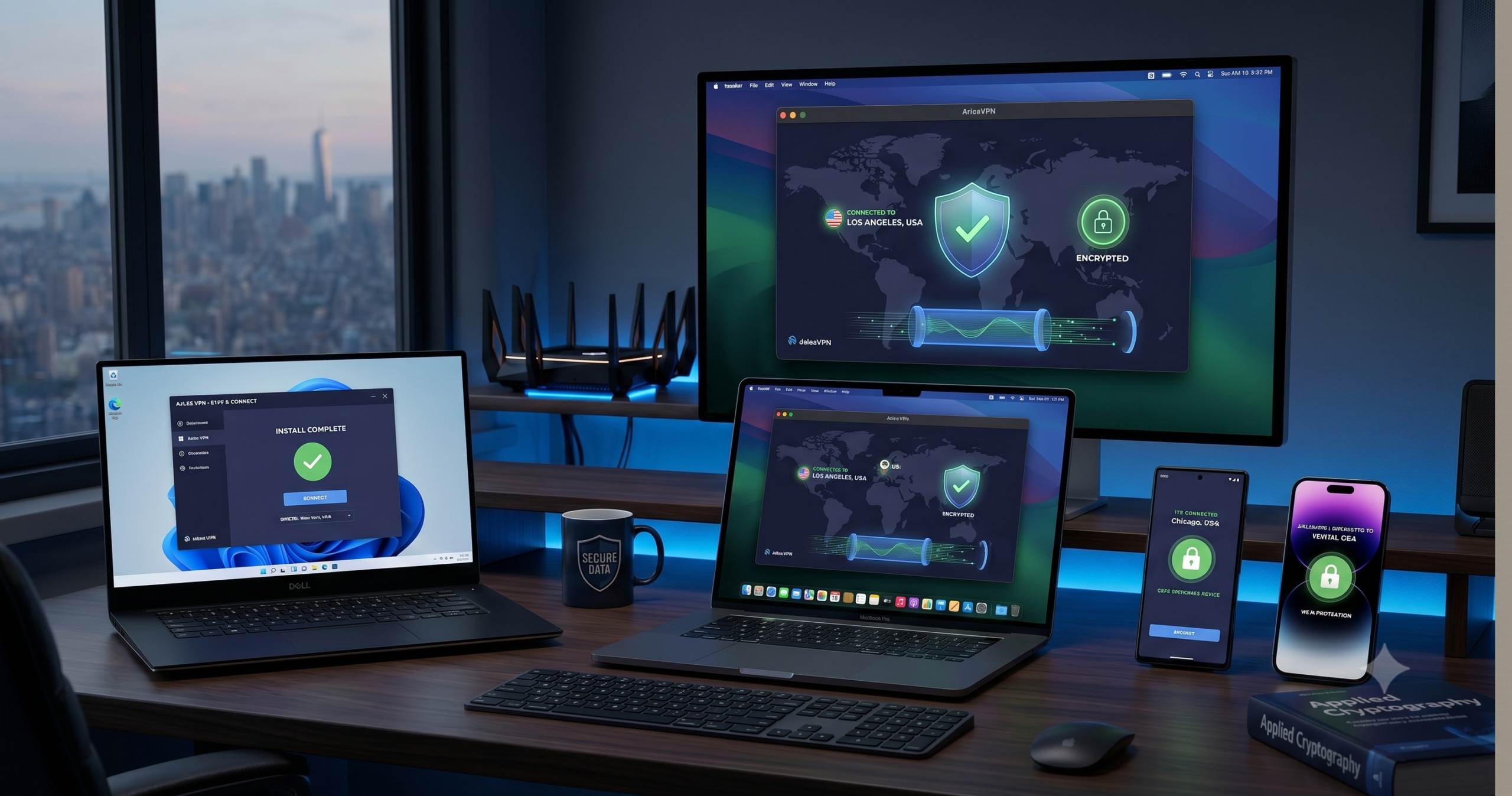
A VPN routes your internet traffic through an encrypted server before it reaches websites or apps. Instead of seeing your real IP, websites see the VPN server’s IP.
If you’re comparing providers, our guide to the best VPN services covers the strongest options for privacy, streaming, and everyday browsing: https://vpnx.blog/best-vpn/
How VPN IP Masking Works
Here’s the simplified process:
- You connect to a VPN server.
- Your traffic enters an encrypted tunnel.
- The VPN server forwards requests to websites.
- Websites only see the VPN server’s IP address.
This changes your apparent online location while preventing your ISP from seeing the contents of encrypted browsing traffic.
VPN masking helps reduce:
- ISP tracking
- Public Wi-Fi interception risks
- IP-based advertising profiles
- Region-based content restrictions
It does not make you invisible online.
If you stay logged into Google, Facebook, Amazon, or TikTok, those platforms still know who you are regardless of your IP address.
What’s the Difference Between Dynamic and Static IP Addresses?
Most residential internet users receive dynamic IP addresses.
That means the ISP changes your IP periodically.
A static IP stays the same permanently unless manually changed.
Dynamic IPs improve scalability for ISPs because they recycle address pools between customers.
Static IPs are common for:
- Business servers
- Remote access tools
- Hosting services
- Security systems
Static addresses are easier to identify over time because they remain consistent.
This breakdown of dynamic vs static IP differences explains how both systems affect privacy, hosting, and VPN usage: https://vpnx.blog/dynamic-vs-static-ip-vpn/
Should You Change Your IP Address?
Changing your IP address can improve privacy in several situations.
Common reasons include:
- Avoiding tracking
- Bypassing regional restrictions
- Fixing temporary IP bans
- Troubleshooting network problems
- Reducing targeted advertising
You can change your IP by:
- Restarting your modem
- Switching networks
- Using mobile data
- Connecting to a VPN
- Using a proxy server
VPNs remain the most practical option because they combine IP masking with encryption.
This guide covers several practical ways to change your IP address safely on phones, laptops, and home networks: https://vpnx.blog/how-to-change-ip-address/
Are Free VPNs Safe for Hiding Your IP?
Some are. Many are not.
Free VPN services often have severe limitations:
- Data caps
- Small server networks
- Slow speeds
- Weak encryption
- Advertising injection
- Activity logging
Several popular free VPNs have previously faced criticism for collecting browsing data or monetizing user activity.
That doesn’t mean every free VPN is dangerous. A few reputable providers offer limited free plans as part of paid ecosystems.
If you want safer options, this list of reliable free VPN services focuses on providers with audited privacy policies and better security histories: https://vpnx.blog/best-free-vpn/
Why IP Leaks Matter
A VPN only protects your privacy if it actually hides your real IP address.
Some VPNs leak identifying information through:
- DNS requests
- IPv6 traffic
- WebRTC browser functions
- VPN connection drops
When that happens, websites can still detect your real location even while the VPN appears connected.
Common leak symptoms include:
- Streaming region mismatches
- CAPTCHA spikes
- Incorrect geolocation
- VPN detection warnings
This guide explains how to detect whether your VPN is leaking your IP and how to fix the most common causes: https://vpnx.blog/vpn-leaking-ip/
Limitations & Performance Notes:
IP masking tools vary significantly in quality.
Cheap VPNs often overload servers, which increases:
- Latency
- Buffering
- Packet loss
- Streaming instability
Free VPNs frequently limit:
- Server switching
- Device support
- Bandwidth
- Streaming access
Some services also fail to protect IPv6 traffic properly, exposing your real IP during certain browser sessions.
In speed testing across major providers, WireGuard-based VPN protocols typically outperform older OpenVPN setups by 15–35% on high-speed fiber connections.
Should You Use a Dedicated IP VPN?
Most VPN users share IP addresses with hundreds or even thousands of other customers. That’s normal.
Shared IP systems improve privacy because your activity blends into a larger crowd. Websites see multiple users coming from the same address, making individual identification harder.
But shared IPs also create problems.
Streaming services, banks, and websites sometimes flag heavily used VPN IPs as suspicious. That can trigger:
- CAPTCHA checks
- Login verification requests
- Temporary blocks
- Streaming detection errors
That’s where dedicated IP VPN services come in.
A dedicated IP gives you a unique VPN address that only you use. Unlike shared VPN servers, your IP stays consistent between sessions.
This guide explains how dedicated IP VPN services work and when they make sense for privacy, remote work, and secure logins: https://vpnx.blog/dedicated-ip-vpn/
Shared IP vs Dedicated IP: Which Is Better?
The answer depends on your priorities.
Shared IP Advantages
Shared IP addresses improve anonymity because many users appear under the same address.
Benefits include:
- Better privacy blending
- Lower tracking consistency
- Stronger deniability
- Reduced long-term identification
Privacy-focused users usually benefit more from shared IP systems.
Dedicated IP Advantages
Dedicated IPs improve stability and reputation.
Benefits include:
- Fewer CAPTCHA requests
- More reliable banking access
- Better remote-work compatibility
- Lower chance of streaming blocks
- Easier remote server whitelisting
Businesses often prefer dedicated IPs for secure access systems.
The Privacy Tradeoff
Dedicated IPs reduce anonymity because the address belongs only to you.
If someone correlates activity to that IP over time, tracking becomes easier.
For most users:
- Shared IPs are better for privacy
- Dedicated IPs are better for consistency
How Websites Detect VPN Usage
Modern websites don’t rely only on IP addresses.
Streaming platforms and anti-fraud systems analyze multiple signals together:
- IP reputation databases
- DNS requests
- Browser fingerprints
- Login patterns
- Device identifiers
- Traffic behavior
That’s why simply changing your IP address doesn’t guarantee anonymity.
For example:
- Logging into the same Google account identifies you immediately
- Browser fingerprinting can persist across IP changes
- GPS-enabled mobile apps bypass IP geolocation entirely
VPNs reduce exposure. They do not erase your digital identity.
What Is Browser Fingerprinting?
Browser fingerprinting is a tracking technique that identifies your device based on software and hardware characteristics.
Websites can analyze:
- Screen resolution
- Browser version
- Installed fonts
- Language settings
- GPU details
- Timezone
- Extensions
- Canvas rendering
Combined together, those signals often create a nearly unique profile.
Unlike cookies, fingerprinting works even when:
- Private browsing is enabled
- Cookies are cleared
- IP addresses change
That’s one reason cybersecurity experts recommend layered privacy protection instead of relying on VPNs alone.
How ISPs Use IP Addresses
Your internet service provider sits between your home network and the public internet.
That gives ISPs visibility into:
- Connection times
- Bandwidth usage
- Destination domains
- Assigned IP history
In the United States, ISP privacy rules vary significantly depending on state laws and provider policies.
A VPN encrypts traffic between your device and the VPN server, reducing what the ISP can inspect directly.
However, your ISP can still see:
- That you’re using a VPN
- Connection timestamps
- Data volume transferred
It simply cannot easily inspect encrypted browsing contents.
Can Police or Governments Trace an IP Address?
Yes — under legal processes.
Websites and VPN providers may maintain logs tied to IP activity. ISPs also keep assignment records linking IP addresses to subscriber accounts for varying retention periods.
Law enforcement agencies can request that information through:
- Warrants
- Court orders
- Subpoenas
- National security requests
That’s why no privacy tool should be viewed as absolute anonymity protection.
Some VPN providers improve privacy by:
- Operating RAM-only servers
- Undergoing independent no-log audits
- Minimizing metadata retention
- Using privacy-friendly jurisdictions
But policies differ heavily between providers.
Why IPv6 Leaks Still Matter in 2026
IPv6 adoption continues to grow across US internet providers.
That’s good for internet scalability. It’s bad for privacy when VPN apps fail to secure IPv6 traffic correctly.
An IPv6 leak happens when:
- Your VPN protects IPv4 traffic
- But your device still routes IPv6 traffic outside the tunnel
Websites can then detect your real identity despite the VPN appearing active.
Common causes include:
- Older VPN apps
- Browser misconfigurations
- Incomplete kill switch systems
- Weak IPv6 support
High-quality VPNs now include:
- IPv6 leak blocking
- DNS leak protection
- Automatic kill switches
- Secure DNS routing
But lower-end providers still struggle with consistency.
Limitations & Performance Notes:
Dedicated IP VPNs are not ideal for every user.
Because the IP remains tied to one customer, they:
- Reduce anonymity compared to shared servers
- Usually cost extra
- May offer fewer server locations
- Can become identifiable over time
Streaming reliability also varies. Platforms regularly blacklist known VPN ranges, including some dedicated IP pools.
VPN performance depends heavily on:
- Server congestion
- Routing quality
- Protocol efficiency
- Distance from server location
In real-world testing, nearby WireGuard servers often maintain 80–90% of baseline download speeds, while older OpenVPN TCP configurations may reduce speeds substantially on high-latency networks.
How Do You Check Your IP Address?
Checking your public IP address takes only a few seconds.
The easiest method is using an online IP checker. These tools typically display:
- Your public IP
- Approximate location
- ISP
- IPv4 or IPv6 status
You can also check locally on your device.
On Windows
- Open Command Prompt
- Type:
ipconfig
- Look for “IPv4 Address”
On macOS or Linux
Open Terminal and type:
ifconfig
or:
ip a
Those commands show local network addresses assigned by your router.
How Do You Know If Your VPN Is Actually Hiding Your IP?
Many users assume the VPN icon means they’re protected. That’s not always true.
A properly configured VPN should:
- Replace your public IP
- Route DNS requests securely
- Block IPv6 leaks
- Prevent exposure during disconnects
The easiest test:
- Check your IP before connecting to the VPN
- Connect to the VPN
- Refresh the IP checker
If the location or ISP remains unchanged, something is wrong.
You should also test for:
- DNS leaks
- WebRTC leaks
- IPv6 exposure
Weak browser settings, outdated VPN apps, and poorly configured extensions often cause accidental leaks.
Why Businesses and Websites Care About Your IP
IP addresses help companies:
- Detect fraud
- Enforce regional licensing
- Block spam
- Prevent account abuse
- Analyze traffic patterns
That’s why changing your IP can sometimes trigger security alerts.
For example:
- Banks may flag foreign logins
- Retailers may require identity verification
- Streaming platforms may display proxy errors
- Gaming services may temporarily suspend suspicious sessions
This behavior doesn’t necessarily mean the VPN failed. It often means the IP belongs to a known VPN network.
Are Residential IPs Better Than VPN IPs?
Residential IP addresses come from consumer internet providers instead of commercial data centers.
Some services trust residential IPs more because they resemble ordinary home users.
That can improve:
- Streaming access
- Ad verification
- Regional testing
- Anti-bot bypass reliability
But residential proxy networks introduce serious privacy concerns.
Some unethical networks route traffic through real users’ devices without fully transparent consent practices.
For most users, reputable VPN services remain safer and simpler than residential proxy ecosystems.
Can Mobile Networks Change Your IP Automatically?
Yes.
Mobile carriers frequently rotate IP addresses as devices move between:
- Towers
- Regions
- Network segments
That makes mobile IPs somewhat less persistent than home broadband IPs.
Switching between:
- Wi-Fi
- 4G
- 5G
often changes your public IP immediately.
Some users use mobile tethering temporarily to bypass IP-based restrictions or reset blocked connections.
Do Smart Home Devices Have IP Addresses?
Every internet-connected smart device uses IP addressing.
That includes:
- Smart TVs
- Cameras
- Thermostats
- Speakers
- Doorbells
- Gaming consoles
Poorly secured smart devices create serious cybersecurity risks.
Many consumer IoT devices ship with:
- Weak passwords
- Outdated firmware
- Limited encryption
- Exposed remote access features
Attackers often scan public IP ranges searching for vulnerable devices.
That’s one reason cybersecurity experts recommend:
- Strong router passwords
- Automatic firmware updates
- Network segmentation
- VPN protection on routers when possible
What’s the Best Way to Hide Your IP Address?
For most users, a reputable VPN remains the best balance of:
- Privacy
- Ease of use
- Encryption
- Speed
- Device compatibility
Tor offers stronger anonymity in some scenarios, but it:
- Dramatically reduces speed
- Breaks many streaming services
- Triggers frequent CAPTCHA checks
- Requires more technical understanding
Proxy servers hide IPs but usually lack encryption.
VPNs remain the most practical option for everyday privacy protection.
If you’re comparing providers, start with industry-leading VPN software that supports:
- Verified no-log policies
- RAM-only infrastructure
- DNS leak protection
- WireGuard support
- Kill switches
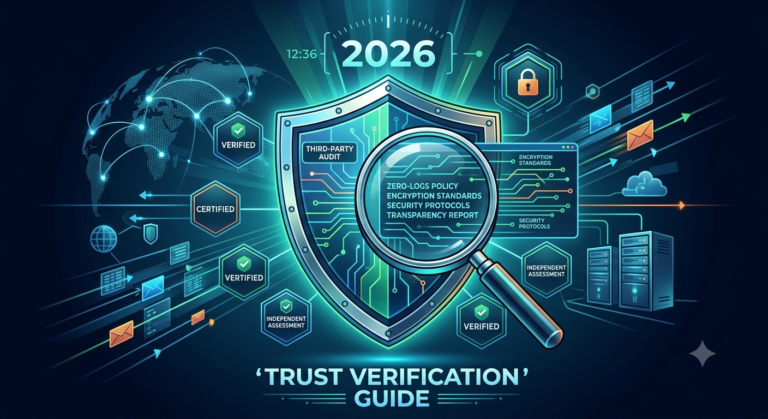
- Independent security audits
You can compare current recommendations here:
https://vpnx.blog/best-vpn/
Before choosing a provider, it also helps to understand how virtual private networks operate and why encryption quality matters more than marketing claims:
https://vpnx.blog/what-is-a-vpn/
Do You Really Need to Hide Your IP Address?
Not everyone faces the same privacy risks.
But hiding your IP reduces unnecessary exposure across:
- Advertising networks
- Public Wi-Fi
- Streaming services
- Data brokers
- Online tracking systems
For most people, IP masking is less about secrecy and more about limiting how much information companies collect automatically.
A VPN won’t make you anonymous. But it does remove one of the internet’s easiest tracking identifiers from everyday browsing sessions.
According to privacy researchers at Mozilla, combining IP masking with secure browsers and tracker blocking significantly improves baseline online privacy for everyday users:
https://foundation.mozilla.org/
Conclusion
Your IP address powers nearly every online connection you make. It tells websites where to send data, helps services determine your location, and enables devices to communicate across the internet.
It also creates privacy exposure.
Websites, advertisers, ISPs, and attackers can all use IP data in different ways. That’s why tools like VPNs, encrypted DNS, and leak protection matter more than they did a decade ago.
If you’re serious about improving online privacy, start with a trusted VPN provider that offers audited no-log policies, strong encryption, and reliable IP leak protection. For most users, that’s the safest and simplest way to reduce tracking while keeping everyday browsing fast and secure.